
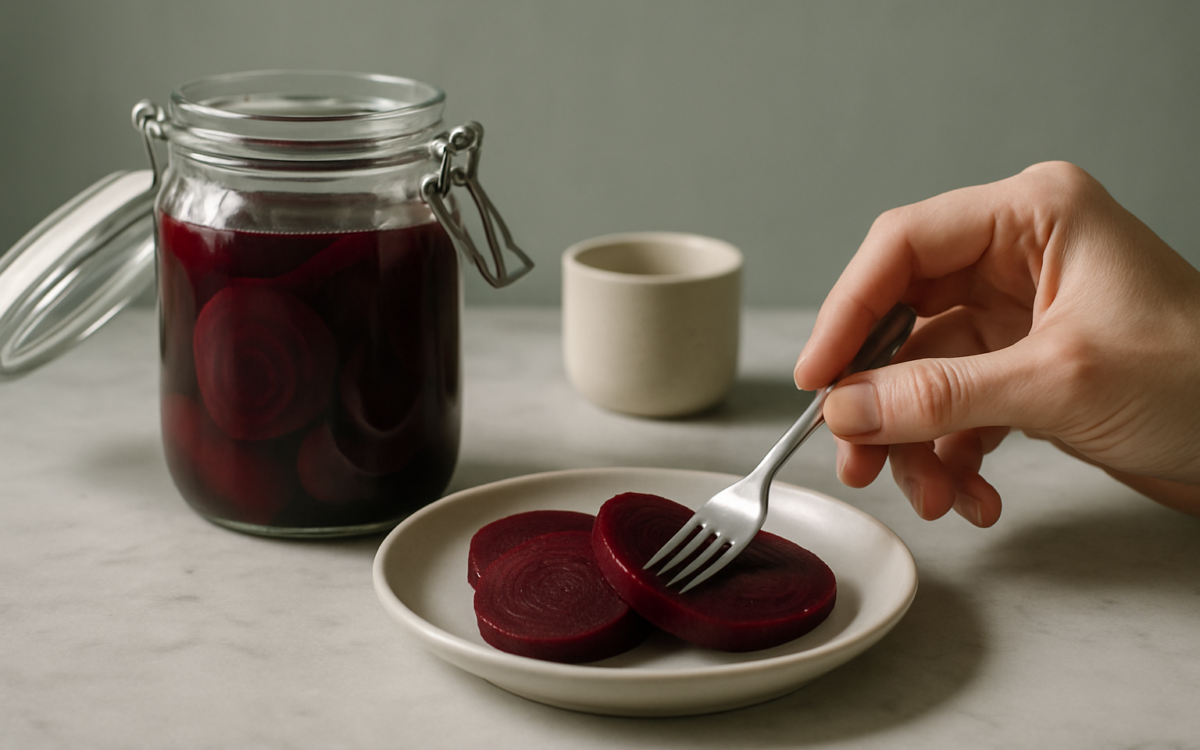
Pickled beetroot is more than just a tangy addition to your salads and sandwiches; it’s a vibrant food that packs a punch when it comes to nutrition. But you may be wondering: are pickled beetroot good for you? The answer is a resounding yes! In this article, we’ll explore the nutritional profile of pickled beetroot, their potential health benefits, and some considerations to keep in mind.
The Nutritional Profile of Pickled Beetroot
Before diving into the health benefits, let’s take a closer look at the nutritional content of pickled beetroot. A serving of pickled beetroot typically contains:
- Calories: Approximately 40-50 kcal
- Carbohydrates: 10-14 grams
- Protein: 1-2 grams
- Fat: 0-1 grams
- Fiber: 2-3 grams
Additionally, pickled beetroot is rich in essential vitamins and minerals, such as:
- Vitamin C
- Potassium
- Iron
- Magnesium
This combination of nutrients makes pickled beetroot a smart choice for those looking to enhance their overall nutrient intake.
Rich in Antioxidants
One of the standout features of beetroot, whether pickled or raw, is its high antioxidant content. Antioxidants are compounds that help combat oxidative stress in the body, which can lead to various chronic diseases. Pickled beetroot contains betalains, a type of antioxidant known for their anti-inflammatory properties and potential protective effects against certain types of cancer. Research shows that antioxidants may help improve heart health and reduce the risk of chronic diseases (source: NIH).
May Support Heart Health
Another compelling reason to enjoy pickled beetroot is its potential benefits for heart health. The nitrates found in beets can help improve blood flow and lower blood pressure. A study published in the American Journal of Clinical Nutrition suggests that dietary nitrates can enhance exercise performance and cardiovascular health. Including pickled beetroot in your diet might be a simple yet effective way to support your heart.
A Source of Vital Nutrients
Pickled beetroot contains a range of essential vitamins and minerals important for overall health. For instance:
- Vitamin C: This antioxidant is crucial for immune function and skin health.
- Potassium: Important for maintaining proper muscle function and heart health.
- Iron: Plays a key role in transporting oxygen throughout your body.
Including foods rich in these nutrients, like pickled beetroot, can help you meet your daily requirements and promote optimal health.
Potential Digestive Benefits
The dietary fiber in pickled beetroot can also support digestive health. Fiber is essential for a healthy digestive tract and can help prevent constipation. Fiber-rich foods can promote regular bowel movements and improve gut health. Additionally, fermented foods such as pickled beetroot may have probiotic properties, which can positively influence your gut microbiome. Healthy gut bacteria are linked to several health benefits, including improved digestion and enhanced immune function (source: CDC).
How to Incorporate Pickled Beetroot into Your Diet
Now that you understand the benefits of pickled beetroot, you may be wondering how to include it in your meals. Here are a few ideas:
- Add pickled beetroot to salads for an added burst of flavor and color.
- Use it as a topping for sandwiches or wraps.
- Incorporate pickled beetroot into grain bowls or quinoa salads.
- Enjoy it as a crunchy snack straight from the jar.
By being creative in the kitchen, you can easily add pickled beetroot to your diet, enjoying both its taste and health benefits.
Considerations When Eating Pickled Beetroot
While pickled beetroot is generally safe and healthy for most people, there are a few considerations to keep in mind. The pickling process often involves the use of salt and sugar, which can increase sodium and calorie content. If you are concerned about sodium intake due to hypertension or other health conditions, it’s good practice to monitor your consumption of pickled foods. Additionally, if you have specific dietary restrictions or health concerns, it would be wise to consult with a healthcare professional before making significant changes to your diet.
When to See a Doctor
If you experience any adverse reactions after consuming pickled beetroot, such as allergies or digestive discomfort, it is important to consult your doctor. Additionally, if you have any existing health concerns related to your diet or nutrition, discussing these with a healthcare provider can provide personalized guidance.
In conclusion, pickled beetroot is not just a delicious addition to your meals; it’s a nutritious food that may offer a variety of health benefits. Rich in antioxidants, essential vitamins, and dietary fiber, pickled beetroot can be an excellent part of a balanced diet. As with any food, moderation is key, and being mindful of your overall nutritional intake will help you make the most of this vibrant vegetable. Whether you’re looking to boost your heart health, support your digestion, or simply enjoy a flavorful ingredient, pickled beetroot might be just what you need!
