
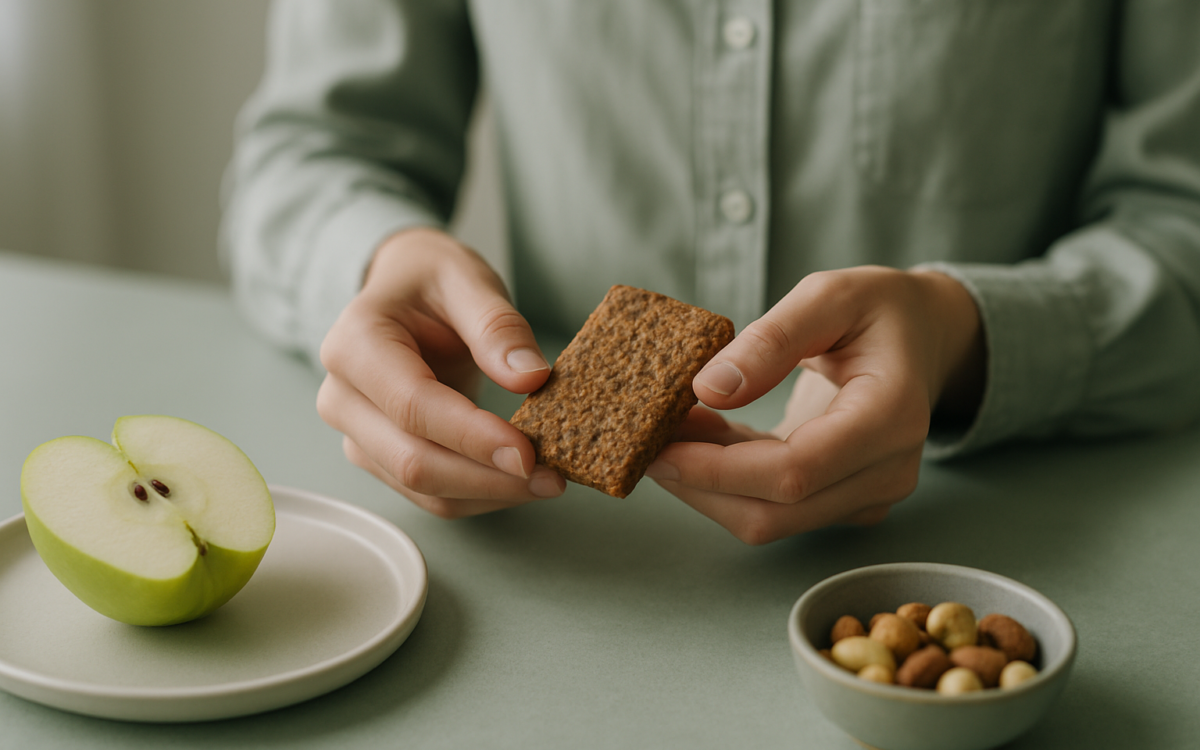
In today’s fast-paced world, grabbing a quick snack is often a necessity. One popular choice among athletes and busy individuals alike is the Clif Bar. Marketed primarily as an energy bar, Clif Bars have carved out a significant space in the snack market. But the question arises: are Clif Bars genuinely healthy? To help you make an informed decision, we’ll explore the nutritional content, potential benefits, and pitfalls of these convenient bars.
Ingredients and Nutritional Breakdown
Clif Bars boast a variety of flavors containing different ingredients, but common components include oats, brown rice syrup, and nuts. A standard Clif Bar (around 68 grams) typically contains:
- Calories: Approximately 240 to 260
- Protein: About 9-11 grams
- Carbohydrates: Roughly 40-45 grams
- Fat: Around 5-7 grams (mostly from nuts)
- Sugars: Approximately 20 grams
This energy-dense composition makes Clif Bars appealing for those needing a quick energy boost, especially before or after a workout.
The Goodness of Clif Bars
One of the benefits of Clif Bars is their convenience. They are handy for on-the-go snacking, particularly for athletes looking for a quick source of energy before or after exercising. The bars contain protein and healthy fats that can be beneficial for muscle recovery. Additionally, Clif Bars are often made from organic ingredients, which can appeal to health-conscious consumers.
Moreover, many Clif Bars are fortified with vitamins and minerals, including:
- Vitamin B12
- Vitamin C
- Calcium
- Iron
These added nutrients can help meet daily dietary needs, particularly for individuals who lead an active lifestyle.
Potential Pitfalls
While Clif Bars offer numerous benefits, they are not without downsides. One primary concern is their sugar content. With around 20 grams of sugar per bar, they can contribute significantly to your daily sugar intake. This amount is somewhat comparable to a candy bar, which raises questions about their classification as a healthy snack.
Another aspect to consider is how Clif Bars fit into one’s overall diet. If consumed excessively or as a substitute for whole foods like fruits and vegetables, they could lead to an imbalanced diet. High carbohydrate and sugar intake can also be problematic, particularly for individuals with certain health conditions, such as diabetes.
Comparing Clif Bars to Other Snacks
When considering health, it’s helpful to compare Clif Bars with other snacks. For instance, fruit, nuts, or yogurt can often provide similar nutritional benefits with fewer added sugars and processing. Additionally, many energy bars on the market today offer lower sugar options while still maintaining a good balance of nutrients. It’s essential to examine labels and choose bars high in protein and fiber while low in added sugars.
For those seeking international treatment perspectives or additional dietary advice, resources like Acibadem International can provide insights into nutritional needs and healthy eating practices across different cultures.
Who Should Eat Clif Bars?
Clif Bars can be suitable for various individuals, particularly:
- Athletes in need of a quick energy boost
- People looking for convenient on-the-go snacks
- Those who enjoy variety in their energy sources
However, if you have specific dietary restrictions or health concerns, it’s wise to consult with a healthcare provider or a nutritionist. They can help you understand if and how Clif Bars fit into your diet based on your unique needs.
When to See a Doctor
If you experience any adverse reactions after consuming Clif Bars, such as digestive issues or allergic reactions, it is advisable to consult a healthcare professional. Additionally, if you have existing health concerns, particularly related to blood sugar levels or dietary restrictions, it’s best to seek personalized advice tailored to your situation.
In conclusion, Clif Bars can be a convenient and tasty snack option for many, particularly those leading active lifestyles. However, as with all foods, moderation is key. Evaluating their role in your overall diet while being mindful of their sugar content is crucial to making healthy dietary choices.
