
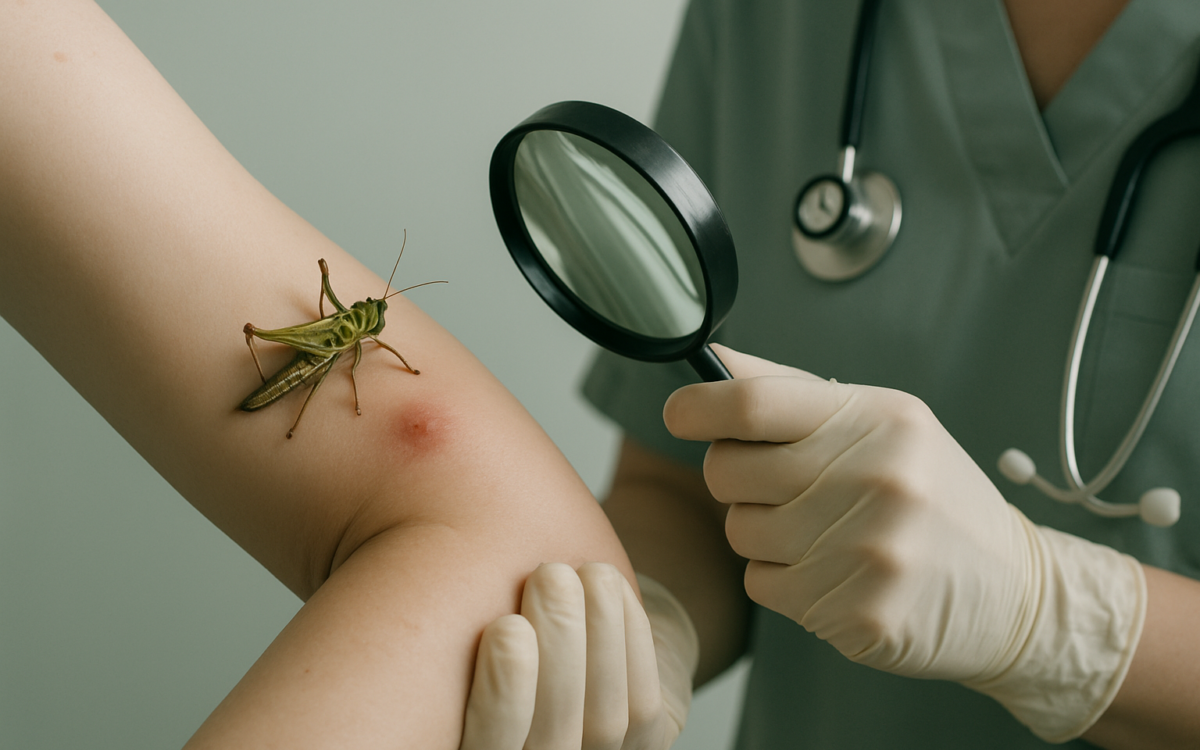
Grasshoppers are fascinating creatures that often captivate our attention with their vibrant colors and remarkable jumping ability. As we observe them in fields, gardens, or even our backyards, a common question arises: Do grasshoppers bite? This article aims to clarify the facts and myths surrounding grasshopper interactions with humans.
Understanding Grasshopper Behavior
Grasshoppers belong to the order Orthoptera, which includes crickets and locusts. They are herbivores, primarily feeding on grasses and leaves. As a defense mechanism, they can sometimes display aggressive behaviors, such as hopping away quickly to avoid danger. However, grasshoppers have a different approach to interacting with humans than some biting insects.
Do Grasshoppers Bite Humans?
The straightforward answer is that grasshoppers generally do not bite humans. Although they have mouthparts that can chew, their primary diet consists of plant matter. When it comes to human interaction, grasshoppers are more likely to hop away than to bite. However, in rare situations, a grasshopper might attempt to nibble if it feels threatened or trapped, but this is not a common behavior.
What Happens If A Grasshopper Does Bite?
If a grasshopper does happen to bite, the good news is that it is usually harmless. The bite may feel like a small pinch, and most people will not experience serious effects. According to the Centers for Disease Control and Prevention (CDC), there are no documented cases of grasshopper bites leading to significant health issues. The bite may cause localized irritation or redness for some, but these symptoms typically resolve quickly.
Comparing Grasshopper Bites with Other Insect Bites
Unlike mosquitoes, bees, or ants, grasshoppers do not sting or have venom. Biting insects like these can cause allergic reactions or transmit diseases. In contrast, grasshoppers are considered safe to encounter; they do not pose the same kind of risks. That said, another common insect that strikes fear into many is the cockroach. Much like grasshoppers, cockroaches can provoke a defensive reaction if mishandled, but they may also carry pathogens. Understanding the differences between these insects can help reduce unnecessary fear about being bitten.
Grasshopper Bites in a Global Context
In many cultures, grasshoppers are prized for their nutritional value. In various parts of the world, such as Southeast Asia and Mexico, they are collected and prepared as a delicacy. While this cultural practice might make encountering grasshoppers a common experience, issues may arise for travelers unfamiliar with regional species. If an insect bite occurs, it’s crucial to know how to treat it. For those seeking advanced options or consultations, specialized treatment in Turkey can provide valuable insight into unique healthcare approaches.
Preventive Measures When Around Grasshoppers
While grasshoppers are not dangerous, it’s always a good idea to take precautions when spending time in areas where they thrive. Here are some tips:
- Wear Appropriate Clothing: When walking through tall grass or fields, wear long pants and closed shoes to protect your skin from potential bites.
- Avoid Handling Them: If you see a grasshopper, let it be. Avoid picking it up or attempting to hold it, as this can provoke a bite.
- Watch for Allergic Reactions: If you are bitten and experience swelling, itching, or redness, monitor your symptoms. Most reactions are mild, but be vigilant.
When to See a Doctor
If you do get bitten by a grasshopper or experience symptoms that seem unusual after an insect encounter, it may be time to consult a healthcare professional. Instances to consider include:
- Persistent swelling or significant redness that doesn’t improve.
- Signs of infection, such as pus or increased pain.
- Severe allergic reactions, including difficulty breathing or swelling in the face or throat.
Conclusion
In closing, grasshoppers are intriguing insects that are unlikely to pose any significant threat through biting. Most encounters will result in no more than a close observation of these unique creatures. By understanding their behavior and capabilities, we can appreciate their role in ecosystems and our lives, without fear of bites or harm.
