
Nuclear stress tests are important tools used by doctors to assess heart health. They help identify issues like blockages, but it’s essential to understand the potential dangers associated with these tests. By familiarizing ourselves with the risks, we can make informed decisions about our health.
What is a Nuclear Stress Test?
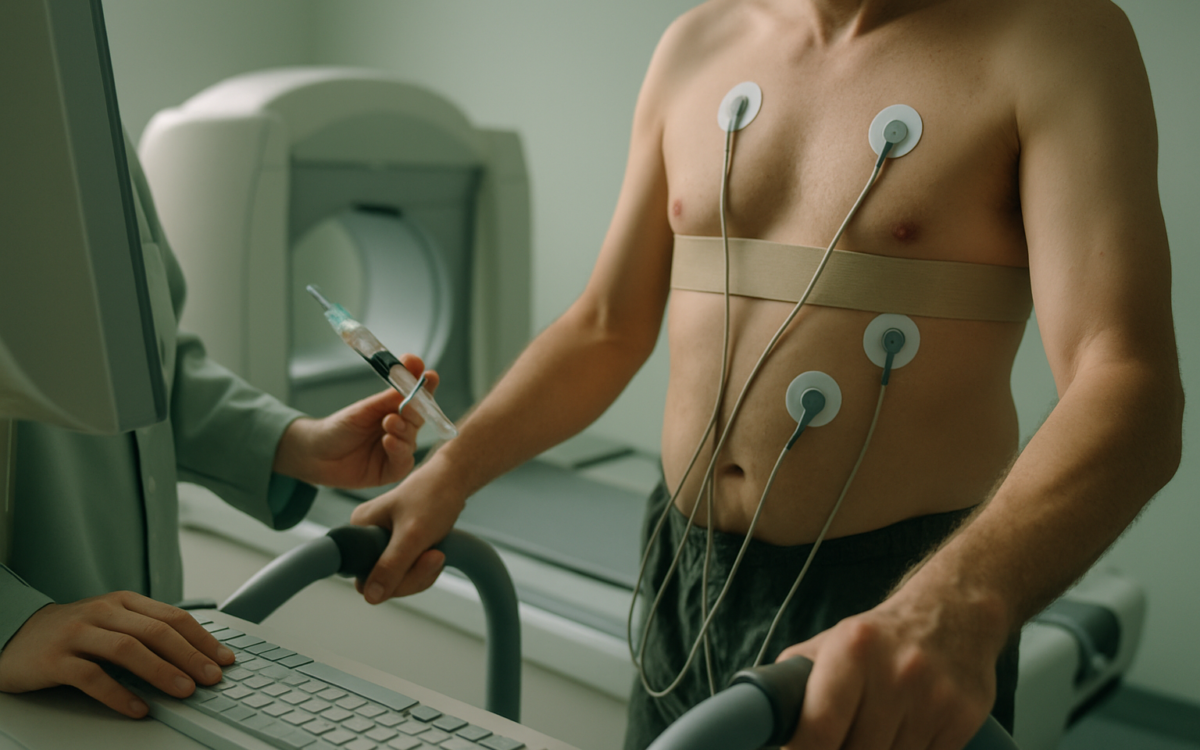
A nuclear stress test is a diagnostic procedure that shows how well blood flows to the heart muscle during exercise and rest. This test uses a small amount of radioactive material to create images of the heart. Typically, you’ll be asked to exercise on a treadmill or stationary bike, or you may be given medication that simulates exercise. The images produced during the test help doctors evaluate how efficiently the heart is working under stress.
Potential Risks of Nuclear Stress Tests
While nuclear stress tests are generally safe, it’s important to know that they do carry some risks. Here are some of the potential dangers:
- Radiation Exposure: Nuclear stress tests involve exposure to a small amount of radiation. The dose is typically low and considered safe for most people. However, repeated exposure or high doses can increase the risk of cancer over time. According to the National Institutes of Health, this risk is generally considered negligible for most patients undergoing a single test.
- Allergic Reactions: Some patients may experience allergic reactions to the radioactive dye used in the test. Symptoms can range from mild (itching, rash) to severe (difficulty breathing). If you have a history of allergies, be sure to discuss this with your doctor prior to the test.
- Cardiac Risks: The test places stress on the heart, which can lead to complications in some individuals, especially those with pre-existing heart conditions. In rare cases, it could provoke arrhythmias (irregular heartbeats) or trigger a heart attack. It’s crucial to inform your doctor of any heart-related issues before undergoing the test.
- Emotional Stress: For some, the idea of undergoing a stress test can cause significant anxiety. This emotional stress can affect heart function, possibly leading to misleading test results. If you experience anxiety when facing medical tests, consider discussing relaxation techniques with your doctor.
Who Should Avoid Nuclear Stress Tests?
Certain individuals may be advised against having a nuclear stress test. These can include:
- Individuals with severe asthma or chronic obstructive pulmonary disease (COPD), who may have trouble exercising during the test.
- People with unstable angina or recent heart attacks, where the stress of the test may be too risky.
- Patients who are pregnant, as the radiation exposure could potentially affect the developing fetus.
It’s essential to have a thorough discussion with your healthcare provider about your medical history and concerns prior to the test.
Alternative Testing Options
If the risks of a nuclear stress test seem concerning, there are alternative diagnostic tests that may be suitable:
- Treadmill Stress Test: This test does not involve the use of radioactive material, but it still evaluates how well the heart performs under exertion.
- Echocardiogram: An echocardiogram uses sound waves to create images of the heart’s structure and function without radiation.
- Cardiac MRI: This test can provide comprehensive images of the heart and blood vessels using strong magnets and radio waves instead of radiation.
How to Prepare for a Nuclear Stress Test
Preparation is key to ensuring the test goes smoothly. Here are some steps to take beforehand:
- Consult with Your Doctor: Discuss your medical history, current medications, and any concerns about the stress test.
- Avoid Certain Foods and Drinks: Your doctor may advise you to avoid caffeine for 24 hours before the test and not to eat for a few hours prior.
- Wear Comfortable Clothing: Since the test involves physical activity, wear comfortable clothes and shoes that allow for movement.
When to See a Doctor
If you experience any unusual symptoms, such as chest pain, shortness of breath, or severe anxiety before or after the test, it’s crucial to seek medical attention. Always reach out to your healthcare provider if you have questions or concerns about your heart health or the procedures involved.
Conclusion
Nuclear stress tests are valuable tools that can help diagnose heart problems, but they come with potential risks. Being informed about these risks can empower you to make better health decisions. Always consult your doctor to weigh the benefits and risks, explore alternatives, and determine the best approach for your health needs.
