
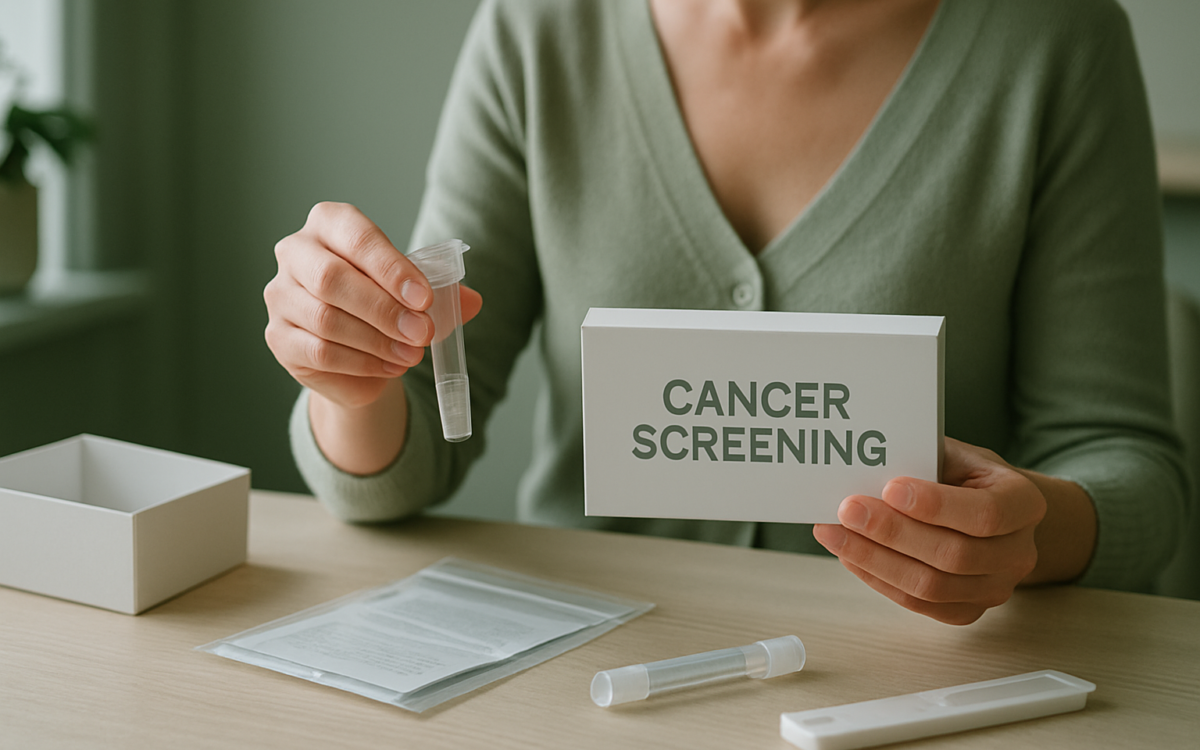
In recent years, at-home cancer screening has become an increasingly popular way to monitor personal health. With advancements in technology and public awareness about cancer, more people are considering self-screening tests as a proactive step in their health journey. But what does at-home cancer screening really entail? In this article, we’ll explore various types of at-home screenings, their effectiveness, and important considerations to keep in mind.
Understanding At-Home Cancer Screening
At-home cancer screening involves tests that individuals can conduct on their own, often using kits purchased online or at pharmacies. These tests typically aim to detect specific markers or signs associated with various types of cancer. It allows people to take control of their health by providing a convenient option for early detection and monitoring.
Common Types of At-Home Cancer Tests
- Fecal Immunochemical Tests (FIT): Used for colorectal cancer, these tests check for hidden blood in the stool, which can be an early sign of colorectal cancer.
- Lipid Panel Tests: Evaluate cholesterol levels, as abnormal levels can indicate an increased risk for certain cancers associated with obesity.
- Skin Screening Kits: These tests allow individuals to check for unusual moles or skin changes that could indicate skin cancer.
- UroSens: A urine test that screens for abnormalities related to bladder cancer.
The Benefits of At-Home Screening
There are several benefits to conducting at-home cancer screenings:
- Convenience: Testing can often be done in the comfort of your home, eliminating the need for a clinical visit for preliminary steps.
- Anonymity: Some may feel uncomfortable discussing their health concerns with a doctor. At-home tests can ease these worries.
- Awareness: Regular use of screening kits encourages individuals to take a more active role in their health and learn about potential risks.
Limitations and Considerations
While at-home cancer screenings are beneficial, there are important considerations to keep in mind:
- False Positives/Negatives: At-home tests aren’t foolproof. A positive result may cause unnecessary anxiety, while a negative result might falsely assure you that you are free of cancer.
- Lack of Comprehensive Testing: Many at-home tests are limited in what they can detect. They shouldn’t replace more comprehensive tests performed by healthcare professionals.
- Clinical Follow-Up: If an at-home test indicates a potential issue, it’s vital to consult a healthcare provider for follow-up testing and diagnosis.
When to Consider At-Home Cancer Screening
Those who may consider at-home cancer screening include:
- Individuals with a family history of certain cancers.
- Those seeking a proactive approach to their health, especially if they fall into higher-risk categories.
- People who experience unusual symptoms and want preliminary results before consulting a doctor.
Resources for Further Information
To make informed decisions about at-home cancer screening, it’s essential to look at reliable resources:
When to See a Doctor
If an at-home screening test results in a positive or concerning finding, or if you experience symptoms like unexplained weight loss, persistent pain, or any significant changes in your health, it’s important to consult a healthcare provider. They can conduct more comprehensive tests and provide the necessary support and guidance based on medical needs.
Staying informed and aware of what at-home cancer screenings can offer is a vital part of preventative health. By understanding how these tests work and when to seek professional help, you empower yourself to take charge of your health in a meaningful way.
