
A bright, white smile can boost your confidence and enhance your appearance. Over the years, the search for the perfect teeth whitening items has led to a wide array of options, from at-home kits to professional treatments. But how do these products work, and are they safe for your dental health? Let’s unravel the details.
Understanding Teeth Discoloration
Before diving into teeth whitening items, it’s important to understand why teeth may become discolored in the first place. Several factors contribute to staining, including:
- Diet: Foods and beverages like coffee, tea, red wine, and certain sauces can stain teeth.
- Smoking: Tobacco use is notorious for causing yellowed, stained teeth.
- Aging: As you age, the outer layer of enamel wears away, revealing the darker dentin beneath.
- Medications: Some medications, particularly those containing tetracycline, can cause discoloration.
Types of Teeth Whitening Items
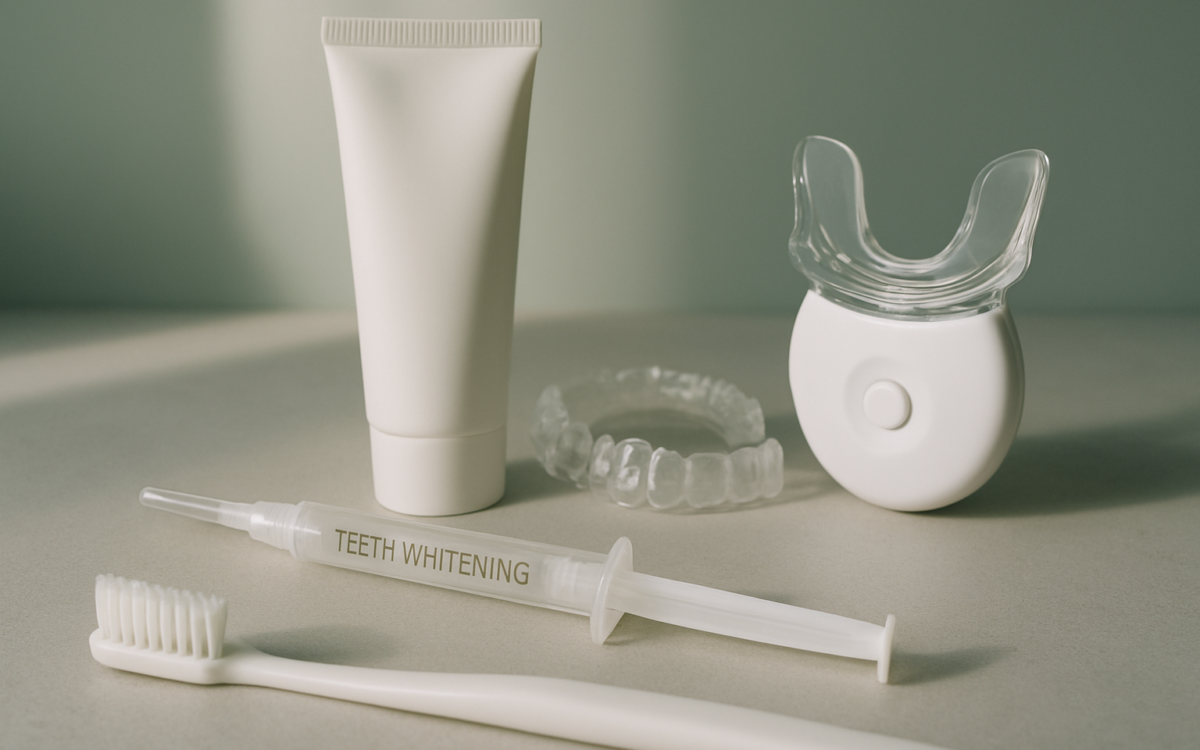
Teeth whitening items are available in various forms, each with distinct benefits and drawbacks. Here are the most common types:
1. Whitening Toothpaste
These toothpaste brands often contain mild abrasives that help remove surface stains. While they can help brighten your teeth, they typically do not change the natural color of your teeth significantly. For optimal results, use whitening toothpaste alongside regular toothbrush routines.
2. At-Home Whitening Kits
Available over-the-counter, these kits usually come with strips, gels, or trays. They contain hydrogen peroxide or carbamide peroxide, which penetrate the enamel to break down stains. While popular, it’s essential to follow the instructions to avoid overuse, which can lead to tooth sensitivity or gum irritation.
3. Professional Whitening Treatments
For those seeking dramatic results, professional whitening treatments offered at dental offices are the most effective. These procedures are supervised by dental professionals who can tailor the treatment to your specific needs. Typically, these treatments involve higher concentrations of whitening agents, leading to faster and more visible results.
Effectiveness of Teeth Whitening Items
The effectiveness of teeth whitening items can vary based on several factors:
- Initial Teeth Color: The starting shade of your teeth can impact how effectively they will whiten.
- Type of Stains: Teeth with yellowish stains generally respond better to whitening treatments than those with grayish or brown stains.
- Duration of Use: Consistent use as directed increases the likelihood of achieving desired results.
Research has indicated that products containing hydrogen peroxide or carbamide peroxide are generally the most effective for whitening teeth (NIH).
Safety Considerations
While many teeth whitening items are safe for most individuals when used as directed, there are essential safety considerations to keep in mind:
- Tooth Sensitivity: Many users report increased sensitivity during or after treatment. If sensitivity persists, consider consulting your dentist.
- Gum Irritation: Whitening agents can irritate your gums. Ensure products do not come into contact with gum tissue.
- Overuse Risks: Excessive use of whitening products can damage your enamel. Always adhere to recommended usage.
Natural Teeth Whitening Alternatives
If you’re cautious about the chemicals in commercial teeth whitening items, there are natural alternatives you might consider:
1. Baking Soda
Baking soda is a mild abrasive that can help remove surface stains. Mix it with water to create a paste and brush gently with it.
2. Hydrogen Peroxide
Using a diluted solution as a mouthwash or a brushing aid can lighten stains. However, it’s crucial to use it sparingly and consult with a dental professional before starting.
3. Fruits and Vegetables
Some fruits and vegetables, like strawberries and apples, may help improve dental health and whiten teeth naturally due to their high water content and ability to stimulate saliva production, which protects against tooth decay.
Maintaining Your Bright Smile
Once you’ve achieved your desired whiteness, it’s crucial to maintain your smile. Here are some tips:
- Brush twice daily and floss regularly to keep plaque at bay.
- Avoid foods and drinks known to stain teeth, or rinse your mouth with water after consuming them.
- Consider regular touch-up treatments as needed.
Regular dental check-ups can also help ensure your teeth remain in optimal condition and maintain their brightness.
When to See a Doctor
If you experience severe tooth sensitivity, persistent gum irritation, or if you’re unsure about the safety and efficacy of particular whitening products, it’s wise to consult a dental professional. They can provide tailored advice based on your individual dental health.
Moreover, if you have underlying dental issues, such as cavities or gum disease, it’s crucial to address these problems before undergoing any whitening treatments.
Conclusion
Teeth whitening items offer various options for those looking to enhance their smiles. By understanding how these products work, the potential risks, and how to maintain a bright smile, you can make informed decisions about what is best for your dental health. Remember, the journey towards brighter teeth can be both safe and successful when approached with caution and care. Always consult your dentist when considering whitening options to ensure that your chosen method aligns with your overall oral health.
