
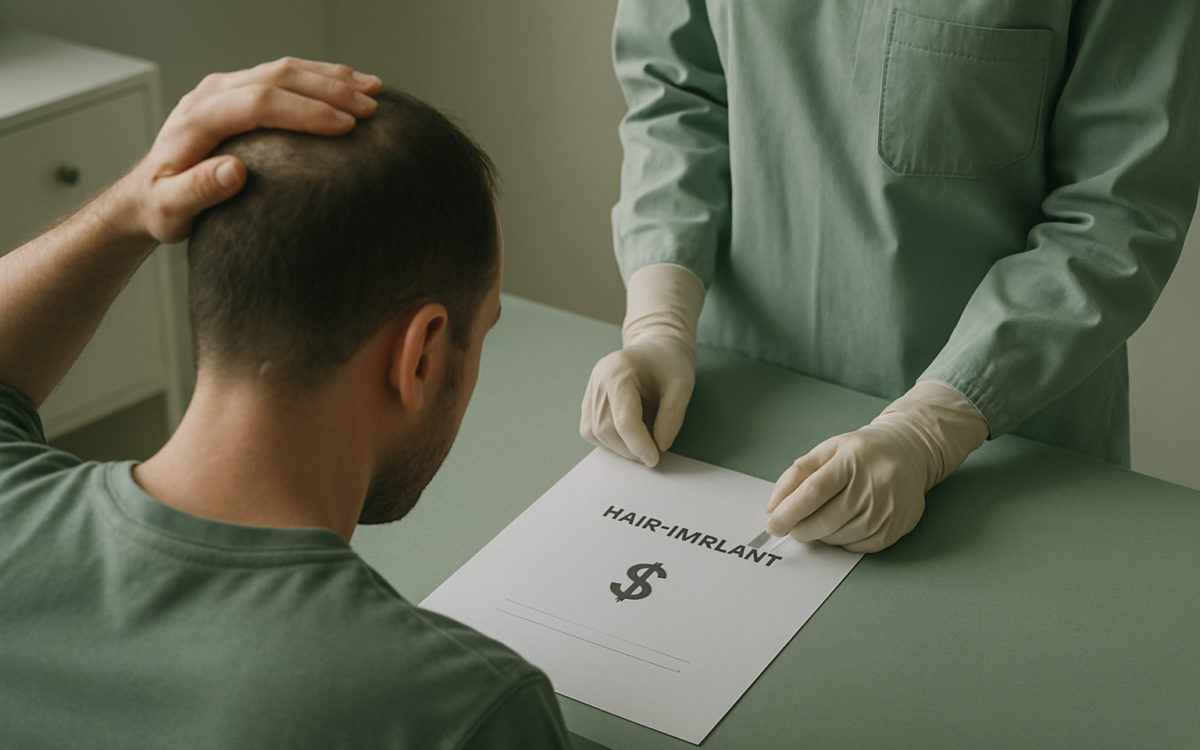
Hair loss can be a distressing experience for many individuals, affecting self-esteem and confidence. For those seeking a long-term solution, hair implants, often referred to as hair transplants, have become a popular choice. However, understanding the price of hair implants and what factors influence this cost is crucial for anyone considering the procedure. This article dives deep into the various elements that affect hair implant prices, providing you with valuable insights to make an informed decision.
What Are Hair Implants?
Hair implants involve the surgical extraction of hair follicles from a donor site on the scalp or elsewhere on the body and their transplantation to areas experiencing thinning or baldness. This procedure aims to achieve a natural-looking hairline and restore volume. There are different techniques for hair implants, including Follicular Unit Extraction (FUE) and Follicular Unit Transplantation (FUT), both of which can impact the overall price.
Factors Influencing Hair Implant Prices
The cost of hair implants can vary widely, ranging from a few thousand dollars to over $15,000. Here are some of the primary factors that influence the pricing:
Technique Used
The method your surgeon chooses can significantly impact the cost. FUE is generally more expensive than FUT due to its minimally invasive nature and the precision required during the extraction of hair follicles. Surgeons may charge per graft, meaning the total cost can grow with the number of hairs transplanted.
Surgeon’s Experience and Location
The expertise of the surgeon is crucial for successful results, and more experienced surgeons often command higher fees. Additionally, the geographic location of the clinic can also influence prices. Clinics in metropolitan areas might charge more due to higher operating costs compared to those in rural settings.
Extent of Hair Loss
The severity of hair loss directly affects the number of grafts needed for a successful transplant. A patient with extensive hair loss will require more grafts, increasing the overall cost. A personalized consultation with a specialist will help determine the required graft count based on individual cases.
Anesthesia and Facility Costs
Surgical procedures require anesthesia and must take place in a certified facility. The fees for anesthesia and the surgery environment can add to your total. Clinics may have different rates based on the quality and type of facility they provide.
Post-Operative Care
Post-operative care is an essential part of the hair implant process. Some clinics include post-surgery follow-ups and medications in their prices, while others may charge additional fees for these services. It’s important to ask about what is included in the quoted price during your consultation.
Comparing Hair Implant Costs: What to Look For
When researching hair implant prices, it’s helpful to compare clinics. Here are a few tips to make an effective comparison:
- Consultation: Many clinics offer free consultations. Use this opportunity to ask about costs, the number of grafts required, and what is included in the price.
- Before-and-After Photos: Ask for images of previous patients to gauge the clinic’s success rate and results.
- Financing Options: Some clinics provide financing plans to make the procedure more accessible. Inquire about these options if cost is a concern.
- Reviews and Testimonials: Research online reviews to understand the experiences of previous patients.
Insurance Coverage for Hair Implants
Most health insurance plans do not cover hair implants, as they are considered cosmetic procedures. However, some exceptions may apply if hair loss results from a medical condition or injury. It is advisable to check with your insurance provider to determine your coverage options.
Alternatives to Hair Implants
If the cost of hair implants is overwhelming, there are alternative treatments for hair loss. These might include:
- Topical Solutions: Products like minoxidil (Rogaine) can help regrow hair for some individuals.
- Oral Medications: Prescription medications like finasteride can promote hair growth.
- Laser Therapy: Low-level laser therapy is a non-invasive option that some clinics offer to stimulate hair follicles.
When to See a Doctor
If you notice significant or sudden hair loss, or if you have concerns about your scalp or hair health, consider consulting a healthcare professional. They can help identify underlying causes and recommend appropriate treatments. In some cases, they may refer you to a dermatologist or a hair restoration specialist.
For detailed information about hair loss and potential treatments, you can visit the Mayo Clinic or the NIH’s National Library of Medicine pages on hair loss.
Conclusion
Understanding the price of hair implants is essential for anyone considering this treatment. Factors such as the technique used, the surgeon’s experience, and the extent of hair loss all play a role in the overall cost. While hair implants can be a significant investment, they often provide a long-lasting solution to hair loss. If you’re considering this procedure, take the time to thoroughly research your options and consult with medical professionals to ensure you make the best decision for your needs.
