
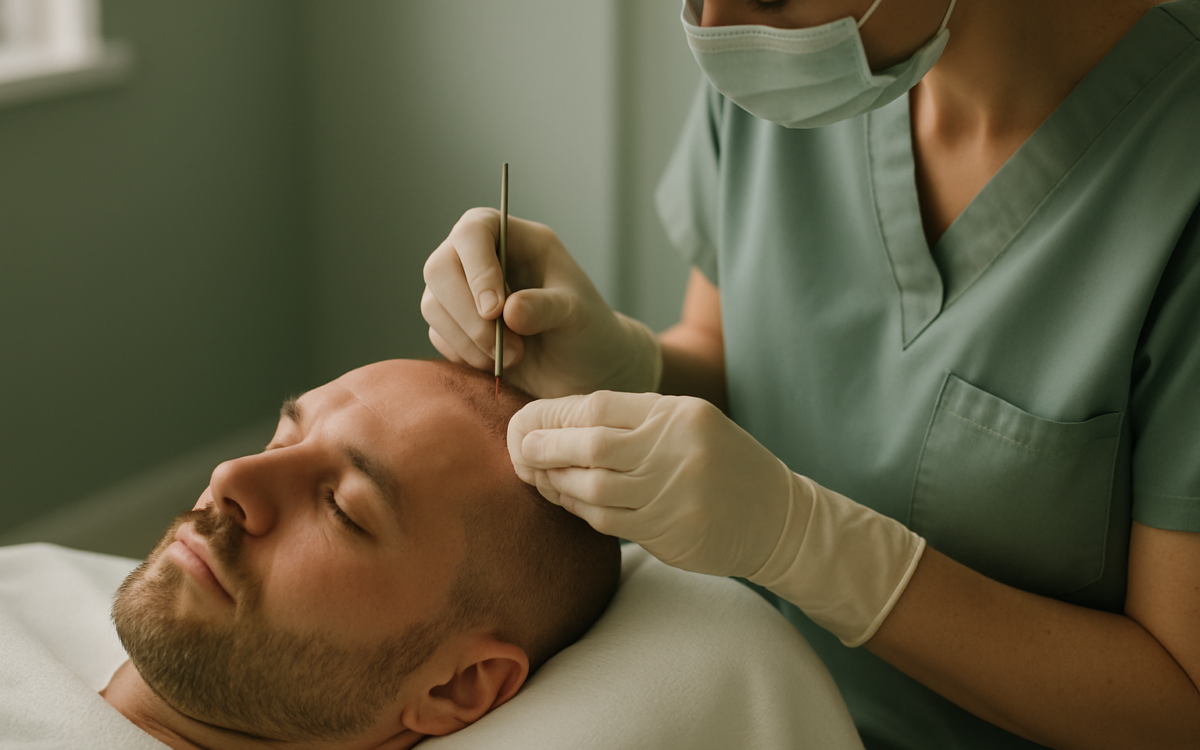
Hair loss can be a challenging experience for many individuals, leading to feelings of self-consciousness and affecting one’s confidence. Fortunately, advancements in medical technology have led to effective solutions, one of which is hair transplant surgery. This procedure has grown in popularity and can provide lasting results for those dealing with hair loss. In this article, we will explore what hair transplant surgery entails, the different techniques available, the recovery process, and important factors to consider before undergoing the procedure.
What is Hair Transplant Surgery?
Hair transplant surgery is a medical procedure that involves moving hair follicles from one part of the body to another, typically from the back or sides of the head to areas experiencing thinning or baldness. This technique is often used to treat male and female pattern baldness, as well as other types of hair loss.
Two Common Techniques: FUE and FUT
There are two primary methods for hair transplant surgery: Follicular Unit Extraction (FUE) and Follicular Unit Transplantation (FUT). Understanding the differences between these methods can help you make an informed decision.
Follicular Unit Extraction (FUE)
FUE involves harvesting individual hair follicles from the donor area using a specialized tool. This method is minimally invasive and does not require stitches, allowing for a quicker recovery time. Patients often experience less discomfort following the procedure and can typically return to normal activities within a few days.
Follicular Unit Transplantation (FUT)
FUT, on the other hand, involves removing a strip of scalp from the donor area. The strip is then divided into smaller units containing hair follicles, which are transplanted to the balding areas. While this method can yield a larger number of grafts in one session, it requires stitches and may result in a more visible scar. Recovery can take a bit longer compared to FUE.
The Benefits of Hair Transplant Surgery
Many people seek hair transplant surgery for its numerous benefits:
- Permanent Solution: Unlike temporary solutions such as wigs or hairpieces, a hair transplant can provide permanent, natural-looking results.
- Boost in Confidence: Restoring hair can significantly improve self-esteem and overall well-being, helping individuals feel better about their appearance.
- Low Maintenance: Once hair has been transplanted and has fully grown, it requires no special care beyond regular washing and grooming.
- Natural Results: When performed by a skilled surgeon, the results can blend seamlessly with existing hair, resulting in a natural appearance.
The Recovery Process
After hair transplant surgery, it’s crucial to follow post-operative care instructions to promote healthy healing. Most patients can expect some swelling and discomfort in the days following the procedure, which can be managed with over-the-counter pain medications.
Here’s a brief overview of what to expect during recovery:
- Days 1-3: You may experience swelling, redness, and mild discomfort. It’s often recommended to sleep with your head elevated to minimize swelling.
- Weeks 1-2: The transplanted hair may fall out, which is normal and known as “shock loss.” New hair growth typically begins within a few months.
- Three to Six Months: You should start noticing new hair growth. The results may not be fully visible until about a year after the procedure.
Considerations Before a Hair Transplant
Before committing to hair transplant surgery, there are several factors that you should consider:
- Consultation: A thorough consultation with a qualified medical professional is essential. They can assess your hair loss, discuss your expectations, and recommend the best technique.
- Costs: Hair transplant surgeries can be expensive, and they may not be covered by insurance. It’s important to understand the financial commitment involved.
- Health Conditions: Certain medical conditions and medications may affect your eligibility for the procedure. Always disclose your medical history to your doctor.
- Realistic Expectations: While hair transplants can provide excellent results, it is vital to have realistic expectations about the outcome. Not everyone will achieve the same level of fullness.
When to See a Doctor
If you’re experiencing hair loss and considering a hair transplant surgery, consulting with a healthcare professional is the best first step. They can provide guidance based on your individual situation, health history, and hair loss type. Additionally, if you notice sudden hair loss, scalp irritation, or other concerning symptoms, it’s advisable to seek medical attention.
Conclusion
Hair transplant surgery can be a life-changing procedure for many individuals struggling with hair loss. By understanding the different techniques, benefits, and recovery process, you can make an informed choice about whether this option is right for you. Always consult with a qualified medical professional to discuss your options and to develop a personalized treatment plan that suits your needs.
