
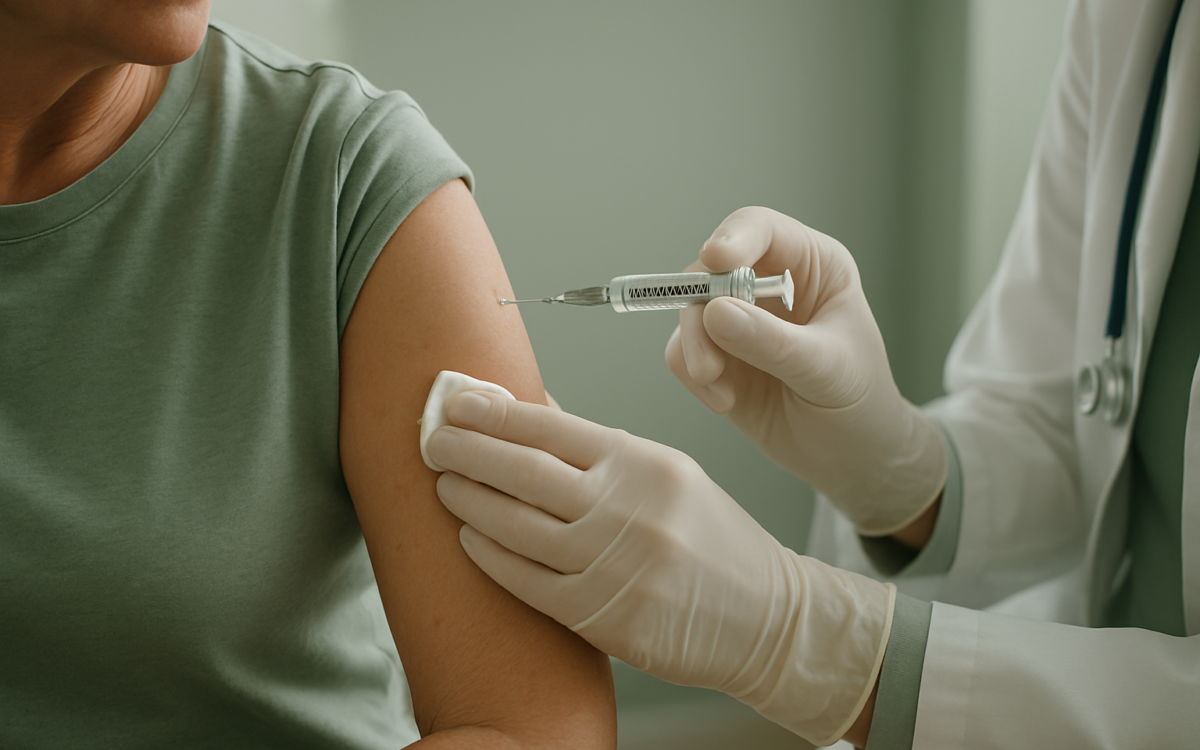
Pneumococcal disease is a serious illness caused by a type of bacteria called Streptococcus pneumoniae. It can lead to severe infections, including pneumonia, meningitis, and bloodstream infections. Nearly all adults are at risk, especially those with underlying health conditions. One of the best ways to protect yourself from pneumococcal disease is through vaccination. Understanding the pneumococcal vaccine schedule for adults can help ensure you and your family stay protected.
What is the pneumococcal vaccine?
The pneumococcal vaccine helps your immune system recognize and fight off pneumococcal bacteria. There are two main types of pneumococcal vaccines:
- Pneumococcal Conjugate Vaccine (PCV13): This vaccine protects against 13 types of pneumococcal bacteria. It is most often recommended for children but is also important for certain adults.
- Pneumococcal Polysaccharide Vaccine (PPSV23): This version covers 23 types of pneumococcal bacteria and is recommended for adults, particularly those at risk for pneumococcal diseases.
Why is the vaccine important for adults?
Vaccination is crucial for adults because pneumococcal disease can have severe consequences. Adults 65 years and older, as well as those with certain health conditions (like diabetes, heart disease, or weakened immune systems), are at a higher risk for complications. According to the CDC, pneumococcal vaccines significantly reduce the incidence of infections and hospitalization rates among high-risk populations.
Pneumococcal vaccine schedule
Here’s an overview of the vaccine schedule for adults:
1. Adults aged 65 and older
For those aged 65 and older, the CDC recommends:
- Receiving one dose of PCV13, followed by one dose of PPSV23 at least one year later.
- If you have already had the PPSV23, consult with your healthcare provider about receiving the PCV13, especially if you have chronic health conditions.
2. Adults aged 19-64 with certain health conditions
If you fall within this age range and have specific risk factors, here’s what the schedule looks like:
- Adults with chronic illnesses (like heart disease or diabetes) should get PCV13 followed by PPSV23.
- If you have a weakened immune system, your doctor may suggest additional doses. Always ask your healthcare professional for advice tailored to your health.
3. Special considerations
Some adults may have unique situations:
- If you are a smoker or have asthma, you should also consider vaccination.
- Those living in long-term care facilities should be vaccinated, regardless of age.
Side effects of the pneumococcal vaccine
Like all vaccines, pneumococcal vaccines can cause side effects, though most are minor. Common reactions include:
- Redness or swelling at the injection site
- Mild fever
- Tiredness
- Muscle pain
These side effects usually resolve within a few days. Serious side effects are rare, but if you experience any severe or unusual symptoms, contact your healthcare provider.
When to see a doctor
If you have questions about your pneumococcal vaccination schedule, or if you believe you are at risk for pneumococcal disease, consult your healthcare provider. They can guide you on the best vaccination strategy based on your health history and personal circumstances.
Conclusion
Understanding the pneumococcal vaccine schedule for adults is crucial for everyone, especially those at a higher risk of complications. Staying informed and proactive about vaccinations can contribute significantly to better health outcomes. Remember, consult your doctor to create a tailored vaccination plan that meets your specific needs.
