
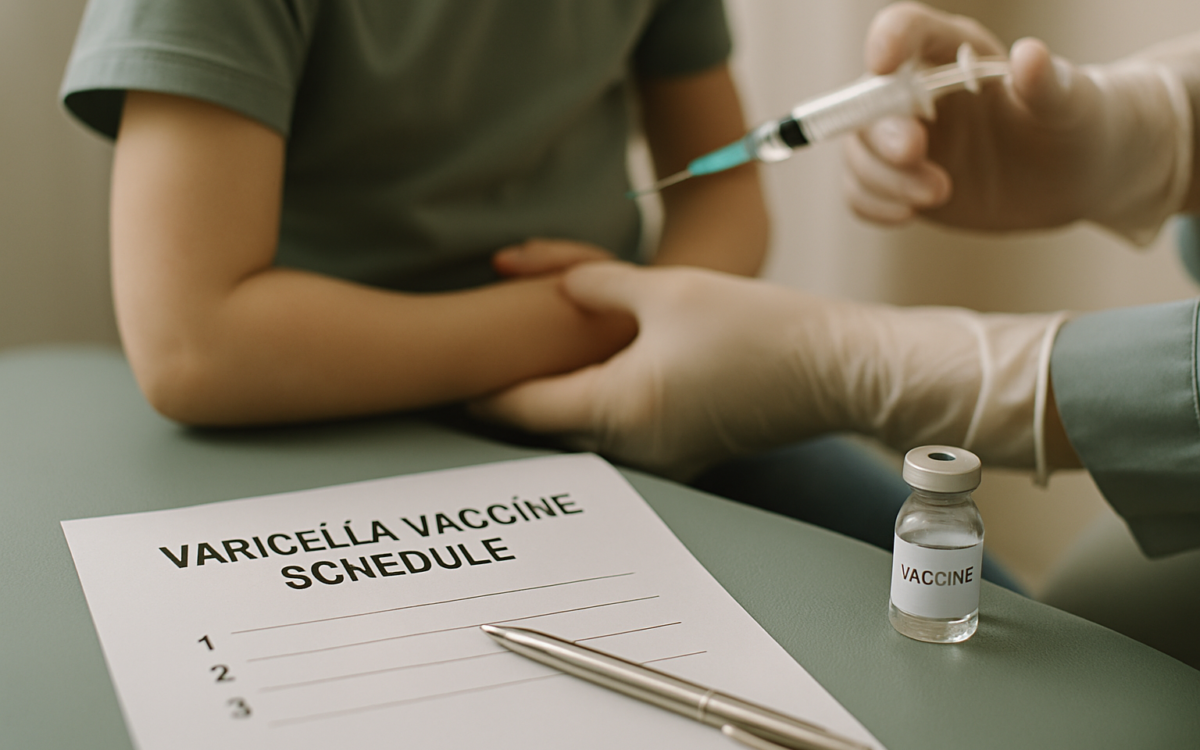
Vaccination plays a crucial role in protecting us from deadly diseases, and the varicella vaccine is no exception. Intended to guard against chickenpox—a contagious viral infection—this vaccine is especially important for children, though it benefits people of all ages. Understanding the schedule for vaccination can help ensure that you or your loved ones receive this essential immunization on time.
What is the Varicella Vaccine?
The varicella vaccine, also known as the chickenpox vaccine, is a safe and effective way to prevent chickenpox. Chickenpox can lead to complications like pneumonia, skin infections, and even hospitalization in certain cases. The vaccine works by stimulating the body’s immune system to produce antibodies against the varicella-zoster virus, which causes chickenpox.
Recommended Varicella Vaccine Schedule
The Centers for Disease Control and Prevention (CDC) provides a specific vaccination schedule to ensure adequate protection:
- First Dose: Children should receive their first dose of the varicella vaccine between 12 and 15 months of age.
- Second Dose: The second dose is recommended between 4 and 6 years of age, typically before the child enters school.
For those who miss the recommended schedule, vaccinations can still provide benefits. It’s possible to catch up on missed doses at any age, including during adolescence and adulthood. The CDC recommends that unvaccinated individuals receive two doses spaced at least 28 days apart.
Importance of Vaccination
Vaccinating against chickenpox is critical not only for individual health but also for community well-being. High vaccination rates contribute to herd immunity, which protects those who cannot be vaccinated due to medical conditions or other reasons. When a significant number of people are immunized, the virus has less opportunity to spread within the community.
In recent years, outbreaks of chickenpox have declined in countries with high vaccination rates. According to the CDC, vaccine implementation has led to a more than 90% decrease in chickenpox cases since its introduction in the mid-1990s. The positive impact of the varicella vaccine is evident.
Who Should Get the Varicella Vaccine?
The varicella vaccine is generally recommended for:
- All children aged 12 months and older.
- Individuals under 13 years who have not yet been vaccinated.
- Unvaccinated adolescents and adults, particularly those who may be at higher risk of exposure, such as healthcare workers.
- Pregnant women who have never had chickenpox or received the vaccine, but should consult their doctor for advice on timing.
It’s important for individuals to talk to their healthcare providers about their vaccination history, especially if they were born before 1980, as they may have been exposed to the virus naturally and might already have immunity.
Side Effects of the Varicella Vaccine
Like any vaccine, the varicella vaccine may cause side effects. Most of these are mild and temporary. Common side effects include:
- Redness or swelling at the injection site
- Fever
- Rash, which could appear as chickenpox-like blisters
Severe allergic reactions are extremely rare, but if any unusual symptoms develop following vaccination, it’s wise to consult a healthcare provider.
FAQs about the Varicella Vaccine Schedule
What if my child has already had chickenpox?
If your child has had chickenpox, they usually do not need the vaccine. Natural infection typically provides sufficient immunity. However, checking with a healthcare provider for confirmation is advisable.
Can the vaccine prevent shingles?
The varicella vaccine can help reduce the chances of developing shingles later in life. Shingles is caused by the same virus that leads to chickenpox and generally occurs in individuals who have had chickenpox previously.
When is the best time to get vaccinated?
Getting vaccinated according to the recommended schedule is key. Early immunization at 12 to 15 months provides essential protection against chickenpox during childhood, but it is never too late to receive the vaccine if missed.
When to See a Doctor
If you or your child experience a high fever, severe rash, or any concerning symptoms following vaccination, it’s important to reach out to a healthcare provider. They can assess the situation and provide guidance on any necessary follow-up care.
Conclusion
The varicella vaccine schedule is essential in promoting public health and preventing outbreaks of chickenpox. By understanding when and why to get vaccinated, families can ensure they are taking the right steps to protect themselves and their communities. For personalized advice and to stay informed about vaccination schedules, always consult your healthcare provider.
