
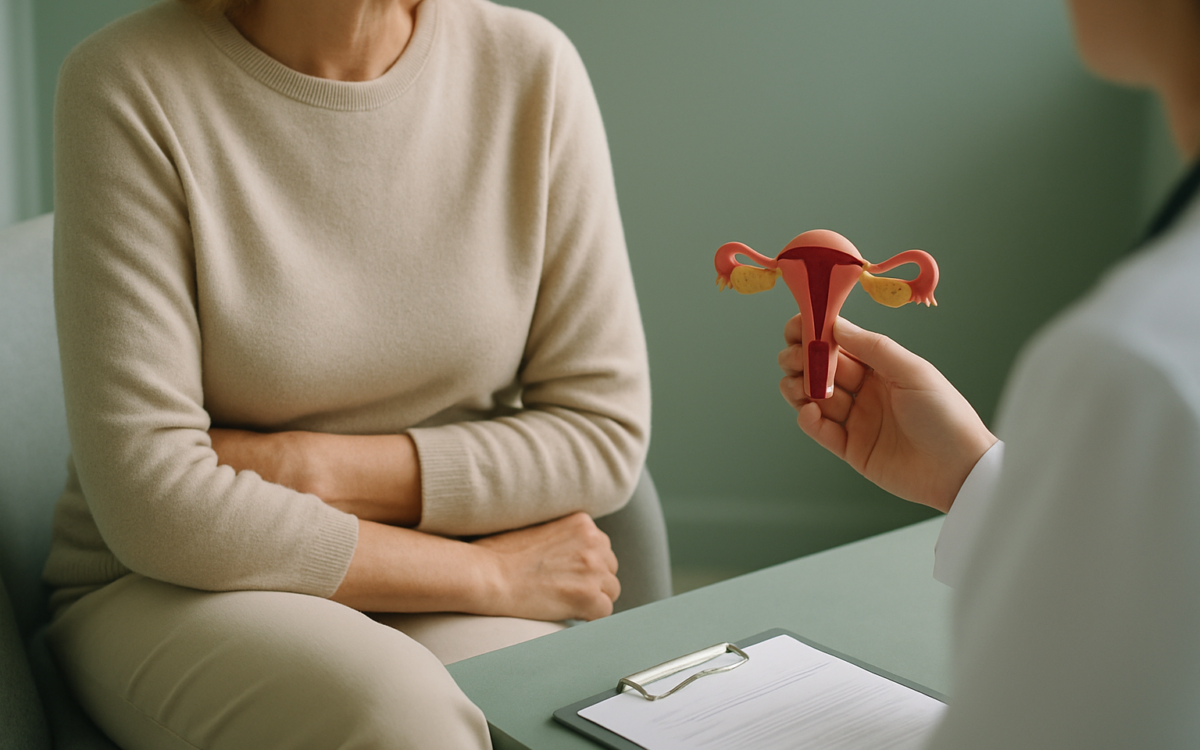
Every woman comes to a point in her life where she may start to question when menopause will occur. This natural phase can bring a mix of feelings, anticipation, and even uncertainty. Knowing what to expect and at what age menopause can start is essential for a smooth transition. In this article, we will explore the age range for menopause, its stages, symptoms, and more, enabling you to better understand this significant life change.
What is menopause?
Menopause is the time in a woman’s life when her menstrual cycles permanently cease. This typically occurs due to a decrease in the production of hormones such as estrogen and progesterone by the ovaries. As a result, menopause marks the end of reproductive capability. For many women, menopause is accompanied by various symptoms and can also signify a shift in overall health.
When does menopause usually start?
Most women experience menopause between the ages of 45 and 55, with the average age being around 51 years old. However, several factors, including genetics, health conditions, and lifestyle choices, can influence when menopause begins. To understand this better, let’s break down the key stages leading up to menopause:
- Perimenopause: This transitional period can begin several years before menopause itself. Women in perimenopause may experience irregular periods and other symptoms as hormone levels fluctuate.
- Menopause: Officially defined as the absence of menstrual cycles for 12 consecutive months, menopause signifies the end of a woman’s reproductive years.
- Postmenopause: This stage occurs after menopause has been confirmed and can last the rest of a woman’s life.
Factors that influence menopause onset
The onset of menopause can be influenced by a variety of factors:
- Genetics: Family history plays a role. If your mother or sisters experienced menopause early, you might too.
- Health Conditions: Certain medical conditions, such as autoimmune disorders or surgeries involving the reproductive system, can lead to earlier onset.
- Lifestyle Factors: Lifestyle choices, including smoking and body weight, may also affect menopause timing. For instance, smoking has been linked to an earlier onset of menopause.
Symptoms associated with menopause
The transition to menopause, especially during perimenopause, can come with a range of symptoms. While each woman’s experience is unique, some common symptoms include:
- Hot flashes
- Nights sweats
- Irregular periods
- Mood swings
- Insomnia
- Vaginal dryness
- Decreased libido
It’s essential for women to seek support during this transition. Some women may find relief through lifestyle changes or treatments discussed with healthcare providers.
Seeking treatment for menopause symptoms
As the symptoms of menopause can vary, many women turn to various treatments for relief. Some approaches include:
- Hormone Replacement Therapy (HRT): This involves taking medications to replace the hormones that the body no longer makes after menopause. This therapy helps alleviate many symptoms like hot flashes and vaginal dryness.
- Lifestyle Changes: Incorporating regular exercise, a balanced diet, and stress management techniques can significantly impact overall well-being during menopause.
- Alternative Therapies: Some women explore herbal supplements or acupuncture as complementary treatments. For those considering international options, visiting treatment centers like acibademinternational.com could provide additional support in navigating menopause.
When to see a doctor
If you notice unusual symptoms or if menopause significantly impacts your daily life, speaking with a healthcare professional can be beneficial. In particular, seek medical attention if:
- Your menstrual cycle changes drastically within a short period.
- You experience severe symptoms that disrupt your quality of life.
- You have concerns about your health or family history related to menopause.
Conclusion
Every woman’s experience of menopause is unique, with no specific ‘right’ age for onset. Understanding the typical age range, signs, and symptoms can empower you to approach this natural phase with confidence. Stay informed and communicate openly with your healthcare provider to navigate menopause smoothly.
