
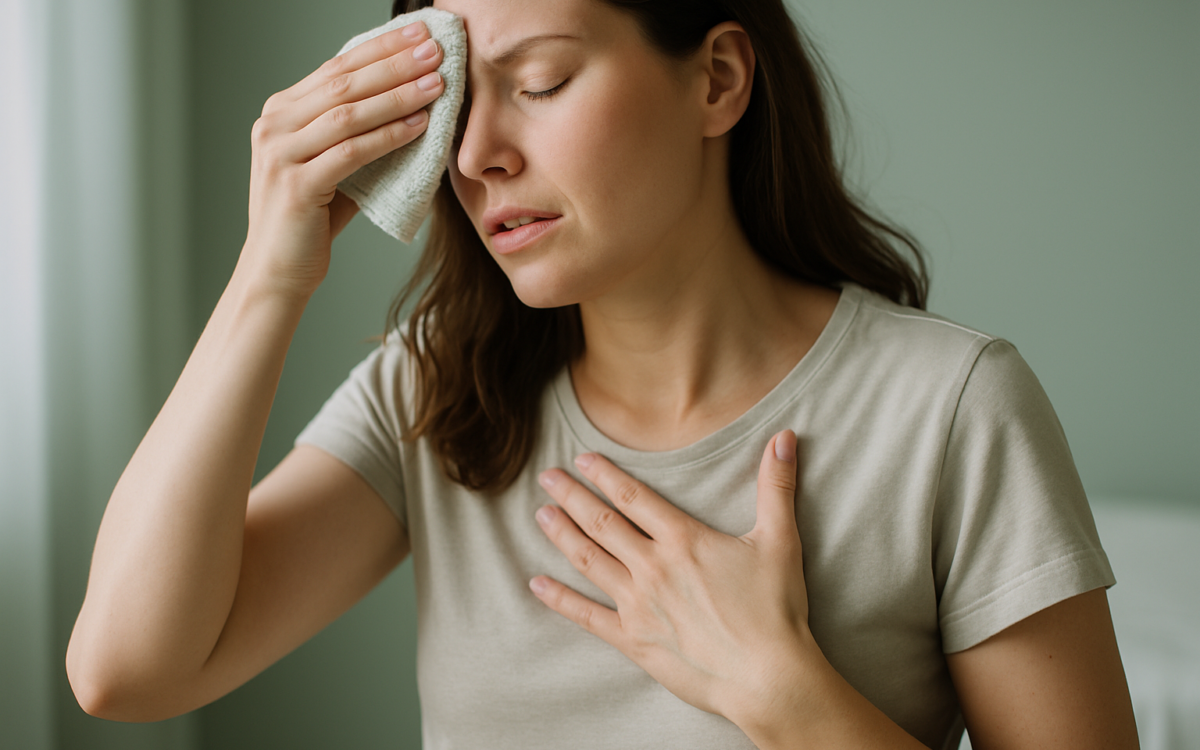
Hot flashes aren’t just associated with menopause; many women also experience them during their menstrual periods. These sudden waves of heat can be unsettling and uncomfortable. If you’re among those who experience hot flashes while menstruating, understanding the reasons behind them and how to manage them can bring relief.
What Are Hot Flashes?
Hot flashes are brief episodes of intense warmth, typically accompanied by sweating and a rapid heartbeat. They are often connected to hormonal changes in the body, especially fluctuations in estrogen. While most people associate hot flashes with menopause, they can also occur during the menstrual cycle due to varying hormone levels.
Why Do Hot Flashes Occur During Your Period?
During a menstrual cycle, estrogen and progesterone levels fluctuate. These hormones play a crucial role in regulating your body temperature. Here are a few reasons why you might experience hot flashes during your period:
- Hormonal fluctuations: As estrogen levels drop just before your period, your body may react by triggering hot flashes.
- Increased sensitivity: Some women may be more sensitive to hormonal shifts, leading to more noticeable symptoms.
- Stress and lifestyle factors: Stress, caffeine, or spicy foods can also exacerbate hot flashes during menstruation.
Managing Hot Flashes During Your Period
While hot flashes can be uncomfortable, there are various ways to manage them. Below are some strategies that may help:
1. Lifestyle Changes
- Stay cool: Wear loose-fitting clothing and keep your environment cool to reduce the intensity of hot flashes.
- Avoid triggers: Identify and avoid foods or beverages that may trigger your hot flashes, such as caffeine, alcohol, and spicy foods.
- Stress management: Engage in relaxation techniques like yoga, meditation, or deep breathing exercises to help reduce stress levels.
2. Nutritional Support
Diet plays a significant role in managing hot flashes. Consider including the following:
- Stay hydrated: Drinking plenty of water can help regulate body temperature.
- Incorporate phytoestrogens: Foods like flaxseeds, soy, and whole grains can mimic estrogen in the body and might help alleviate symptoms.
- Balanced diet: Eating a balanced diet rich in fruits, vegetables, and whole grains can support overall health and potentially ease menstrual symptoms.
3. Alternative Therapies
Some women find relief through alternative therapies:
- Herbal supplements: Certain herbs, like black cohosh and red clover, are often used to help manage menopause symptoms, including hot flashes.
- Acupuncture: This traditional Chinese practice may also provide relief for some women, although research findings vary.
Recognizing When It’s More Than Just Hot Flashes
Hot flashes during your period are usually benign, but in some cases, they can indicate other health concerns. If you’re experiencing severe symptoms, changes in your menstrual cycle, or other unusual signs, it may be time to consult a healthcare professional.
When to See a Doctor
If hot flashes during your periods disrupt your daily life or are accompanied by severe symptoms such as persistent pain or unusual bleeding, it’s important to consult your healthcare provider. They can help determine if your symptoms are a normal part of your menstrual cycle or if further evaluation is necessary. In particular, watch for:
- Hot flashes that occur at night and disrupt your sleep.
- Hot flashes that become increasingly severe or frequent.
- Changes in your menstrual cycle that are concerning.
Being proactive about your health can lead to better management of symptoms and overall wellness.
Conclusion
Hot flashes during your period can be bothersome, but understanding their cause and how to manage them can make a significant difference. With a few lifestyle adjustments, dietary changes, and perhaps some alternative therapies, you can navigate these symptoms more comfortably. Remember, while it’s often a normal part of the menstrual cycle, don’t hesitate to seek medical advice for any concerns regarding your health.
