
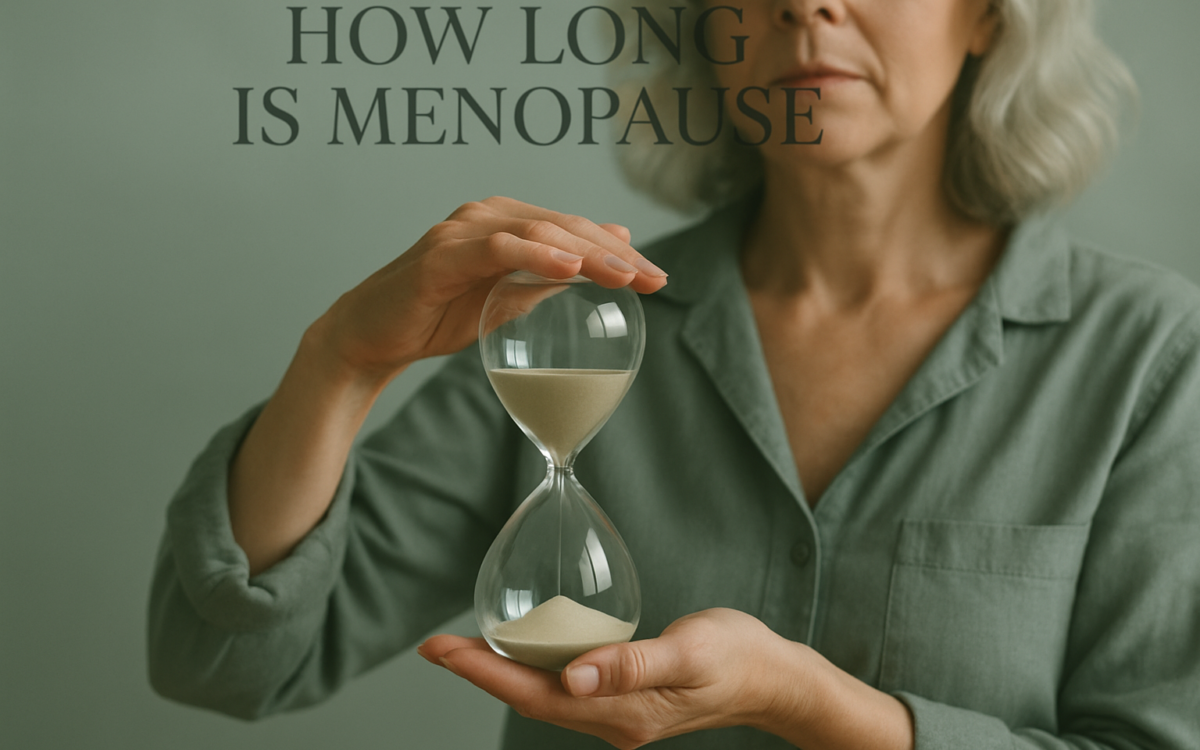
Menopause is a significant phase in a woman’s life, marking the end of her reproductive years. While it’s a natural process, many women have questions about how long it lasts and what changes to expect during this time. This article breaks down the stages of menopause, its duration, and helpful insights to navigate this transition comfortably.
What is Menopause?
Menopause is defined as 12 consecutive months without a menstrual period. It typically occurs around the average age of 51 but can happen anywhere between the ages of 45 and 55. However, the journey to menopause starts well before that with perimenopause, which can last several years.
The Menopause Timeline
Understanding the timeline of menopause is crucial for women who are experiencing changes in their bodies. Menopause happens in three distinct stages:
1. Perimenopause
Perimenopause is the transitional phase leading up to menopause and can last an average of 4 to 8 years. During this time, the ovaries gradually produce less estrogen. Women may experience various symptoms, such as:
- Irregular periods
- Hot flashes
- Night sweats
- Sleep disturbances
- Mood swings
It’s important to note that the timing and severity of symptoms can vary widely. Some women might have mild symptoms, while others may experience significant disruptions in their daily lives.
2. Menopause
Menopause itself marks the point at which a woman has not had a menstrual period for 12 consecutive months. The symptoms can continue during this phase, often referred to as “menopausal symptoms.” Common experiences include:
- Vaginal dryness
- Urinary issues
- Changes in libido
During menopause, the body undergoes several hormonal changes that can affect bone density and heart health, among other aspects.
3. Postmenopause
Postmenopause refers to the years following menopause. For some women, symptoms like hot flashes may decrease or resolve entirely, while others may continue to experience symptoms. The postmenopausal phase can last for many years, and it is a time when women may need to focus on health issues such as osteoporosis and cardiovascular health due to reduced estrogen levels.
How Long Does Menopause Last?
The menopause transition can vary widely among individuals. While the perimenopause stage lasts on average between 4 to 8 years, menopause itself is considered a point in time—specifically 12 months after a woman’s last menstrual period. After this, women enter the postmenopausal stage, which continues for the rest of their lives.
Factors Influencing Menopause Duration
Several factors can influence how long menopause lasts:
- Age: Women who start their period earlier may experience a longer duration of menopause.
- Genetics: If your mother or sister had a long or short menopause transition, you might experience something similar.
- Health Factors: Conditions such as smoking, certain medical treatments, or surgeries may also impact the duration and symptoms of menopause.
Living Well During Menopause
While menopause is a natural process, it can come with challenges. Here are some tips to manage symptoms and enhance your health during this transition:
- Stay Active: Regular exercise can help manage weight, improve mood, and reduce hot flashes.
- Nutrition: A balanced diet rich in calcium, vitamin D, and whole grains can support overall health.
- Seek Support: Engaging with support groups or speaking with friends can provide relief through shared experiences.
- Consult Your Doctor: If symptoms are severe, a healthcare provider can offer solutions, whether lifestyle changes or medical options.
When to See a Doctor
It’s essential to consult a healthcare provider if you experience any of the following:
- Symptoms that significantly disrupt your daily life
- Heavy bleeding or irregular periods
- Severe mood changes
Your doctor can help guide you through this transition and recommend treatment options tailored to your needs.
Conclusion
Menopause is a normal part of aging, and understanding its various stages can help women prepare for and manage the changes they may face. While the experience can be unique for everyone, knowing what to expect can provide comfort and empowerment during this significant life transition. Always feel free to reach out to a healthcare provider for advice and support throughout your menopause journey.
