
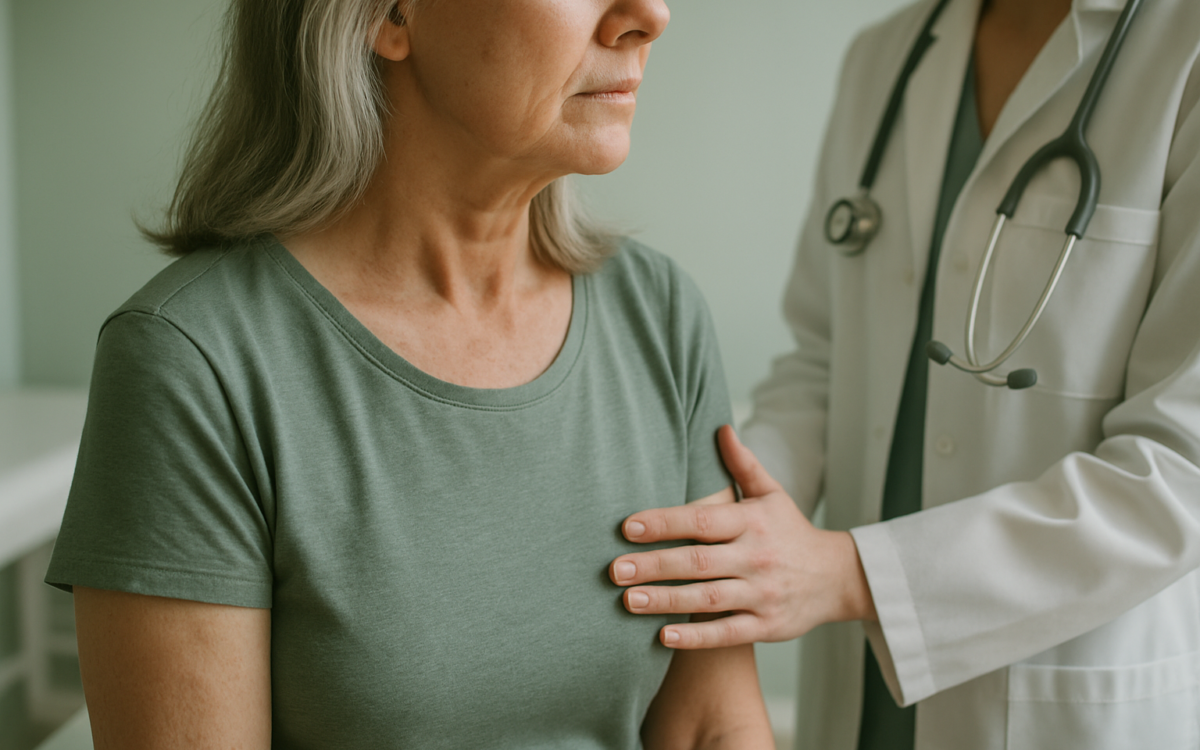
Menopause is a natural part of aging for women, marking the end of their reproductive years. It can be a time of significant change, physically and emotionally. Understanding when and how this transition happens is essential for every woman. This article explores the typical age range for menopause, how it affects the body, and what to expect during this phase of life.
What is Menopause?
Menopause is defined as the time in a woman’s life when her menstrual periods have stopped for 12 consecutive months. It signals the end of ovulation and fertility. This transition is a normal part of aging, typically occurring in the late 40s to early 50s, although it can vary widely among individuals.
When Does Menopause Usually Occur?
The average age for women to experience menopause in the United States is around 51 years old. However, the menopausal process often begins much earlier. The years leading up to menopause, known as perimenopause, can start in a woman’s 30s or 40s. During this time, hormonal fluctuations can lead to irregular menstrual cycles and various symptoms.
Factors Influencing Menopause Timing
Several factors can influence when a woman experiences menopause:
- Genetics: Family history can play a role. If your mother or sister experienced menopause early, you might do the same.
- Health Conditions: Certain medical conditions or treatments, such as surgeries involving the ovaries or chemotherapy, can lead to earlier menopause.
- Smoking: Studies have shown that smoking can lead to an earlier onset of menopause, sometimes by as much as one to two years.
Symptoms of Menopause
As women approach menopause, they may notice various symptoms, which can include:
- Hot flashes: Many women experience sudden feelings of heat.
- Night sweats: Hot flashes at night can disrupt sleep.
- Irregular periods: Changes in menstrual cycle frequency and flow are common.
- Mood swings: Hormonal changes can lead to shifts in mood.
- Weight gain: Many women find they gain weight, particularly around the abdomen.
How Does Menopause Affect Health?
Menopause brings about significant hormonal changes. The declining levels of estrogen can affect various aspects of a woman’s health:
- Bone health: Lower estrogen levels can lead to decreased bone density, increasing the risk of osteoporosis.
- Heart health: The risk of cardiovascular issues may increase after menopause.
- Mental health: Changes in mood and cognitive functions, such as memory, can occur.
Women facing menopause may also seek various treatment options to manage symptoms. Alternatives range from lifestyle changes to hormone replacement therapy (HRT). Seeking information about international treatment methods can be another valuable option. For those considering traveling for care, international patient services can offer support in navigating healthcare abroad.
Post-Menopause Considerations
Once a woman has gone 12 months without a period, she is considered postmenopausal. While some symptoms may diminish, the long-term implications of menopause deserve attention:
- Regular check-ups: Regular health screenings become even more important post-menopause.
- Healthy lifestyle: A balanced diet and regular exercise can help manage menopausal symptoms and support overall health.
- Bone density tests: These are critical for assessing the health of bones and preventing fractures.
When to See a Doctor
If you’re experiencing symptoms that disrupt your daily life or have concerns about menopause and its implications for your health, it’s a good idea to consult a healthcare provider. They can provide guidance tailored to your unique situation, including potential treatment options.
Conclusion
Menopause is a natural, albeit challenging, phase in a woman’s life. Understanding when it typically occurs, recognizing potential symptoms, and knowing how to manage those changes can empower women as they navigate this transition. Since each woman’s experience with menopause can vary, open communication with healthcare providers is crucial for health and well-being during this time.
