
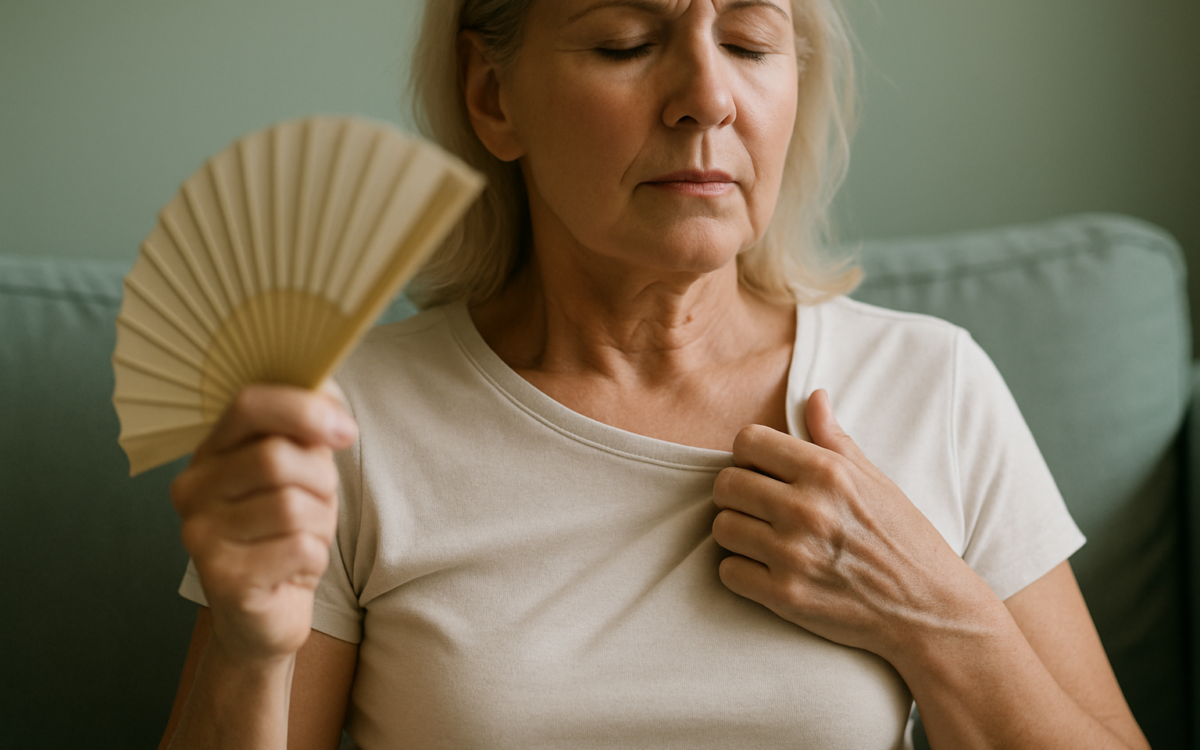
Hot flashes are one of the most common symptoms experienced during menopause, yet many women find themselves unprepared for the intensity and unpredictability of these sensations. Understanding what hot flashes feel like can help demystify this uncomfortable experience and allow women to better navigate their menopausal journey. In this article, we’ll explore what hot flashes are, how they feel, their potential triggers, and tips for managing them.
What Are Hot Flashes?
Hot flashes, also known as hot flushes, are sudden feelings of intense heat, often accompanied by sweating, reddening of the skin, and sometimes chills or rapid heartbeat. They are primarily caused by hormonal changes during menopause, particularly a decline in estrogen levels. While most commonly associated with women in their 40s and 50s, hot flashes can also occur in younger women, particularly those undergoing surgical menopause or experiencing certain medical conditions.
The Sensation of a Hot Flash
For many women, a hot flash can feel like a wave of heat that sweeps over the body. This sensation typically begins in the chest or face and can spread to other areas, including the neck and back. Some women describe it as feeling like they are on fire or as if they are suddenly in a sauna.
Physical Symptoms
During a hot flash, you may experience:
- Rapid heartbeat
- Flushing or redness in the face or neck
- Profuse sweating
- Chills as the flash subsides
These symptoms can last anywhere from a few seconds to several minutes, often leaving women feeling fatigued or irritable afterward.
Common Triggers of Hot Flashes
Understanding the triggers of hot flashes can help you identify patterns and potentially avoid situations that exacerbate the symptoms. Common triggers include:
- Heat: High temperatures from weather, clothing, or heating systems can initiate a hot flash.
- Spicy Foods: Eating spicy meals can ramp up body temperature and trigger episodes.
- Alcohol and Caffeine: Both substances may lead to increased heart rate and warmth.
- Stress: Emotional or physical stress tends to set off hot flashes for many women.
Keeping a diary to track your hot flashes and their triggers can help you gain better control over your experiences.
Relief Strategies and Coping Mechanisms
While hot flashes can be challenging, there are numerous strategies that may provide relief.
Lifestyle Changes
Simple adjustments in daily routines can have a significant impact:
- Dress in Layers: Wearing lighter clothing and being able to remove layers can help regulate your temperature.
- Cooling Devices: Using fans, ice packs, or cooling pillows can assist in alleviating heat.
- Mindful Eating: Avoiding hot and spicy foods, alcohol, and caffeine may help reduce the frequency of hot flashes.
Relaxation Techniques
Stress reduction is crucial in managing hot flashes. Consider incorporating:
- Meditation
- Deep breathing exercises
- Yoga or gentle exercises
Medical Interventions
For some women, lifestyle changes might not be enough. It’s important to discuss your symptoms with your healthcare provider, who may recommend treatments such as:
- Hormone Replacement Therapy (HRT)
- Non-hormonal medications, including certain antidepressants or gabapentin
Always consult your doctor before starting any new treatment or medication.
How Long Do Hot Flashes Last?
The duration and frequency of hot flashes vary greatly from woman to woman. Some women may experience them for only a few months, while others can have episodes for several years. On average, hot flashes may last between 5 to 10 years, but again, this can differ significantly based on individual circumstances and lifestyle factors.
When to See a Doctor
If your hot flashes are particularly severe, disrupt your daily life, or are accompanied by other concerning symptoms, it’s important to reach out to a healthcare provider. Conditions such as night sweats or unexplained weight loss may warrant further evaluation.
Conclusion
Hot flashes can be an unwelcome part of the menopausal experience, but understanding what they feel like, recognizing triggers, and exploring coping mechanisms can empower women to manage their symptoms more effectively. Remember, you don’t have to go through this alone—seek support from healthcare professionals and loved ones to find the best solutions for you.
