
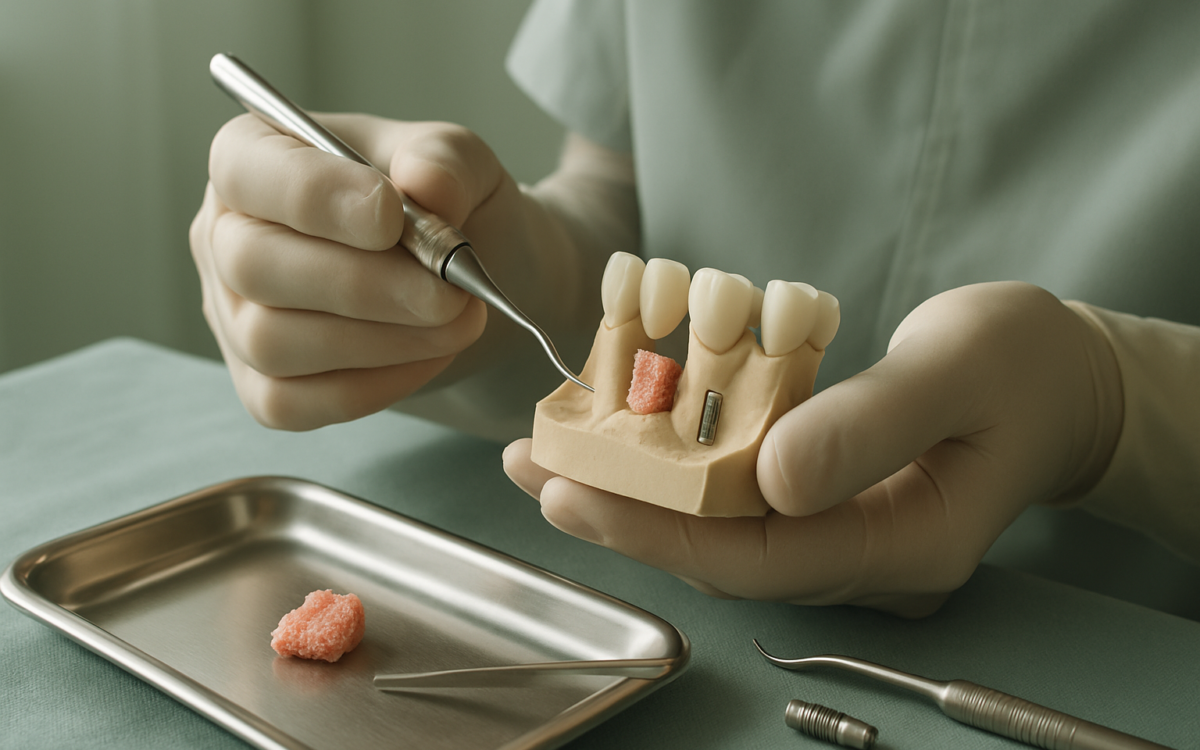
When it comes to dental implants, the health of your jawbone plays a vital role in the success of the procedure. For many patients, a bone graft may be necessary to create a stable base for these implants. This article will explore what bone grafting is, why it might be needed, the types of grafts available, the procedure itself, recovery tips, and when to reach out to your dentist.
What Is Bone Grafting?
Bone grafting is a surgical procedure that involves placing new bone material in areas where the bone is insufficient or missing. This is particularly important in dentistry, where a solid jawbone is essential for supporting dental implants. The new bone encourages the growth of healthy bone in the area, ensuring that the dental implant has a strong foundation.
Why Bone Grafting Might Be Necessary
Bone grafting is often required in dental implant cases for several reasons:
- Bone Loss: Tooth loss can lead to bone loss over time, where the jawbone begins to shrink due to a lack of stimulation.
- Injury or Infection: Trauma to the jaw or periodontal disease can also result in the loss of bone.
- Insufficient Bone Density: Some patients may not have enough natural bone to support an implant due to anatomical differences.
According to the NIH, patients who have suffered tooth loss often experience a reduction in jawbone density, making bone grafting an essential step in dental restoration.
Types of Bone Grafts
There are several types of bone graft materials that your dentist may use. They include:
- Autografts: This method uses bone taken from your own body, typically from the jaw or hip.
- Allografts: These are bone tissues obtained from a donor, usually processed and sterilized to ensure safety.
- Xenografts: This type uses bone from another species, commonly from cows, that has been processed for human use.
- Synthetic Grafts: These consist of biocompatible materials that encourage bone growth and do not come from human or animal sources.
Your dentist will help determine which type is best for you based on your individual needs. Each type has different healing times and success rates.
The Bone Grafting Procedure
The bone grafting process is generally straightforward and typically takes place in a dental office. Here’s what you can expect:
- Consultation: Your dentist will conduct tests, including X-rays, to understand the degree of bone loss and plan the procedure.
- Preparation: You may receive local anesthesia to numb the area, and sometimes sedation might be used for comfort.
- Graft Placement: The dentist will make a small incision in your gums to expose the jawbone, then place the graft material where needed.
- Closure: The incision is then closed with stitches, and you’ll be given post-operative instructions.
The entire process typically takes about 1-2 hours, depending on the complexity of the case. Some patients may require multiple grafts for optimal results.
Recovery After Bone Grafting
After undergoing bone grafting, recovery is an important phase for successful healing. Here are some tips to help you:
- Follow Your Dentist’s Instructions: Adhering to your dentist’s guidelines is critical for proper healing.
- Manage Pain: Over-the-counter pain relievers can help manage discomfort. Your dentist may prescribe stronger medication if necessary.
- Eat Soft Foods: Stick to a diet of soft foods for the first few days to avoid disturbing the graft site.
- Stay Hydrated: Drinking plenty of water is essential for recovery.
- Attend Follow-Up Appointments: Regular check-ups help your dentist monitor healing and address any concerns.
Generally, it may take several months for the graft to heal and integrate with your bone before you can move forward with getting dental implants.
When to See a Doctor
If you experience any unusual symptoms following your bone graft surgery, it’s important to contact your healthcare provider. Signs to watch for include:
- Persistent or severe pain that does not improve with medication
- Excessive swelling or bruising
- Fever or chills
- Discharge or bleeding from the surgical site
By staying vigilant about your post-surgery recovery and seeking help when necessary, you can help ensure a successful outcome.
Conclusion
Bone grafting is a crucial step in preparing for dental implants for those with insufficient jawbone density. Understanding the procedure, types of grafts, and post-operative care can help you feel more confident and prepared for your treatment journey. Always consult with your dentist to identify the best options for your unique dental needs. With the right care and attention, you can look forward to a healthier smile in the future.
