
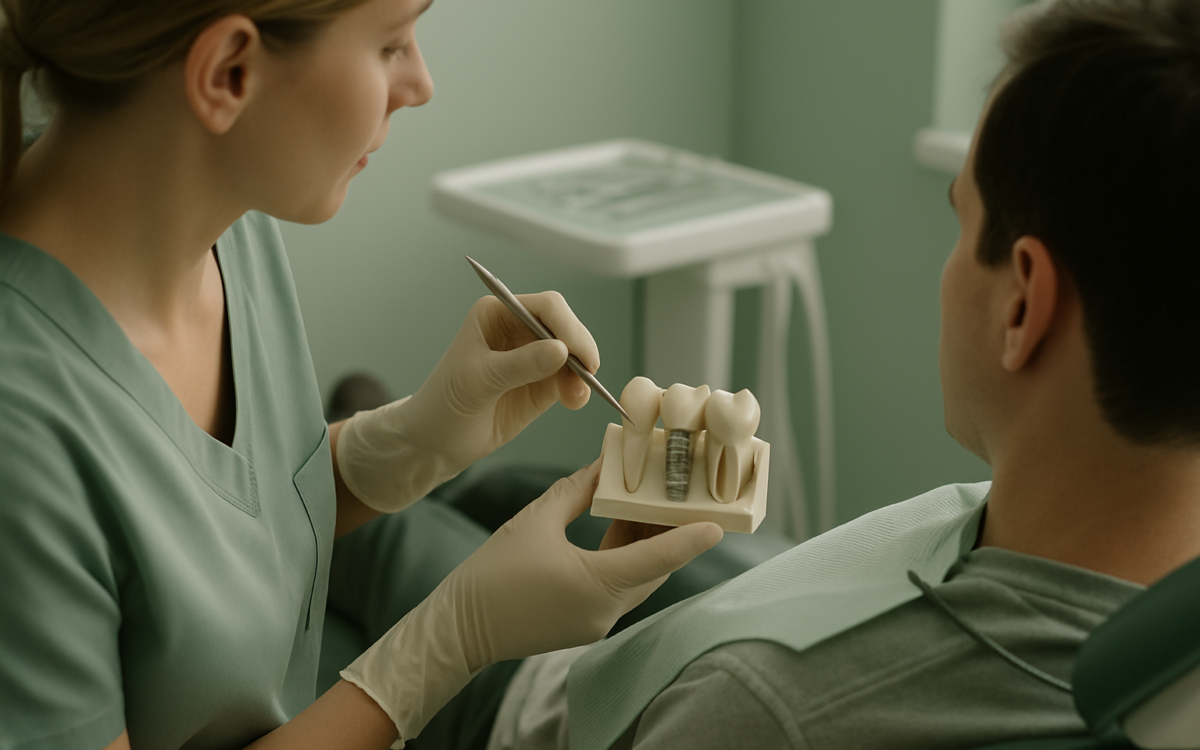
When it comes to replacing missing teeth, dental implants have become a popular choice for many patients. Unlike dentures, which can slip or need adhesive, dental implants offer a permanent solution that closely mimics the look and function of natural teeth. In this article, we will explore the ins and outs of dental implants, helping you understand what to expect from the process, the benefits, and how to care for your new smile.
What Are Dental Implants?
Dental implants are artificial tooth roots made from biocompatible materials, typically titanium. These implants are surgically placed into the jawbone, where they fuse with the bone over time in a process called osseointegration. This creates a sturdy foundation for replacement teeth, which can be crowns, bridges, or dentures, depending on the number of teeth you need to replace.
Why Choose Dental Implants?
There are several reasons why someone might opt for dental implants as a tooth replacement strategy:
- Natural Appearance: Dental implants look and feel like your natural teeth, enhancing your confidence and smile.
- Improved Functionality: They allow you to eat and speak without worry, restoring your oral functions.
- Bone Preservation: Implants help maintain your jawbone density, preventing bone loss that often occurs with missing teeth.
- Longevity: With proper care, dental implants can last many years, often a lifetime, making them a cost-effective solution.
The Dental Implant Procedure
The dental implant process can generally be broken down into several key stages:
Consultation
Your journey begins with an appointment with your dentist. They will evaluate your oral health, take X-rays, and determine if you are a good candidate for implants. Factors such as bone density and gum health will be assessed.
Surgical Placement
Once you’re cleared for the procedure, the implant will be surgically inserted into your jawbone. This is usually done under local anesthesia. After placement, a healing period of several months is necessary for the bone to fuse with the implant.
Abutment Placement
After healing, you will return for a second surgery, where an abutment—a small connector—is placed on top of the implant. This serves as the base for the crown.
Crown Placement
After your gums heal around the abutment, a custom-made crown will be attached. This is typically designed to blend seamlessly with your natural teeth.
Caring for Your Dental Implants
Proper care is essential to ensure the longevity of your dental implants. Here are some tips:
- Oral Hygiene: Brush and floss your implants just like your natural teeth. Use a soft-bristled toothbrush to avoid damaging the implant.
- Regular Dentist Visits: Regular check-ups are important to ensure your oral health remains in good standing.
- Avoid Hard Foods: Temporary implants can be more sensitive, so be cautious with harder foods to avoid damage.
Possible Risks and Considerations
While dental implants are generally safe, there are some risks to consider:
- Infection: Post-surgery, there’s a risk of infection at the surgical site.
- Nerve Damage: In rare cases, implants may affect adjacent structures, leading to nerve damage.
- Sinus Issues: When implants are placed in the upper jaw, they can protrude into sinus cavities.
Consulting with a qualified dental professional can help you weigh these risks against the benefits.
When to See a Dentist
If you experience any discomfort, swelling, or changes in your dental implants, it’s crucial to consult your dentist. Additionally, if you notice any signs of infection, such as fever or dental abscess, seek care immediately. Regular dental visits will also help monitor the health of your implants.
Dental implants can be a transformative experience, allowing you to enjoy your favorite foods and speak with confidence. With appropriate care and a solid understanding of the procedure, you can take the first step towards restoring your smile. For more information on dental health and treatment options, visit reputable sites like Mayo Clinic or the National Institutes of Health.
