
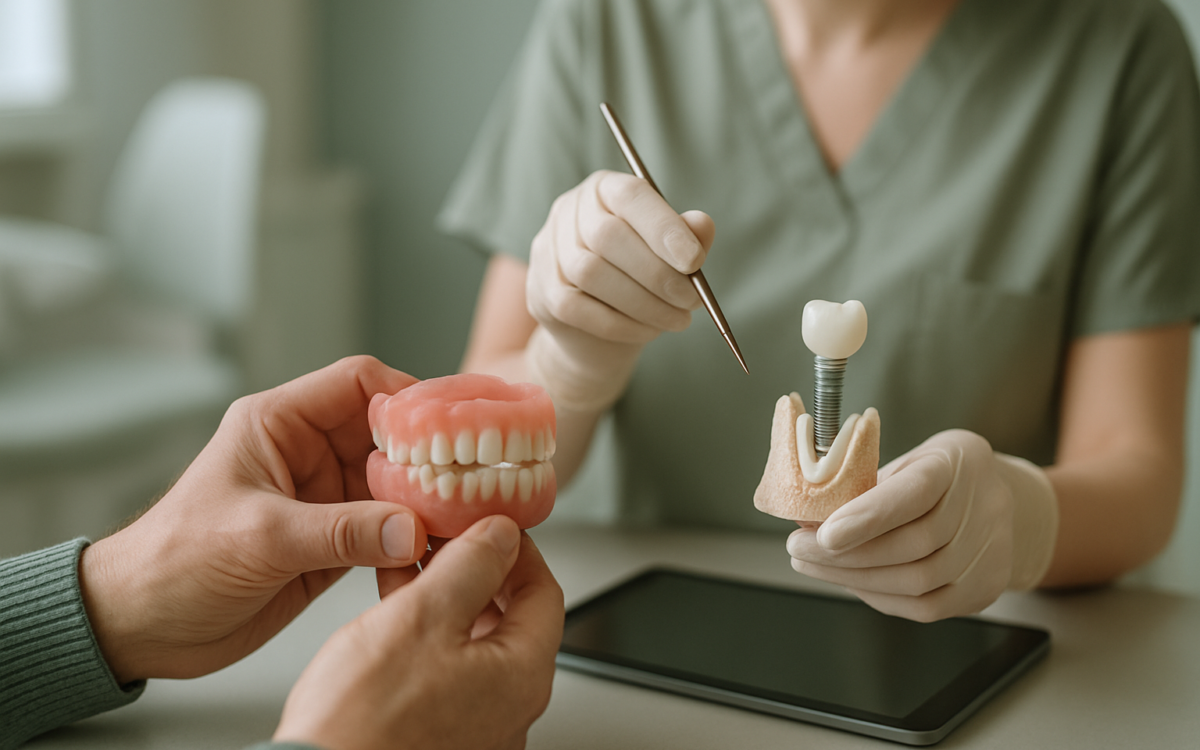
For many people facing the loss of one or more teeth, denture implantation provides a secure and functional solution. Unlike traditional dentures, which can slip or feel uncomfortable, implants offer greater stability and mimic the look and feel of natural teeth. This article will explore the process of denture implantation, its advantages and disadvantages, and what you can expect when you undergo the procedure.
What Are Denture Implants?
Denture implants, also known as implant-supported dentures, are a type of oral prosthetic device anchored securely to the jawbone through dental implants. These implants are small titanium posts surgically placed into the jaw, serving as artificial roots for your new teeth. Once the implants heal and bond with the jawbone, they provide a sturdy base for either full or partial dentures.
Benefits of Denture Implantation
One of the main advantages of denture implantation is the stability it offers. Since they are anchored directly into the jawbone, implant-supported dentures do not shift or slip during eating or speaking. Some key benefits include:
- Improved Comfort: Because they are securely attached to the jaw, denture implants generally provide a more comfortable fit compared to traditional dentures, which can cause discomfort and irritation.
- Enhanced Functionality: Implant-supported dentures allow users to eat a wider variety of foods, giving you more freedom when it comes to your diet.
- Bone Health: Dental implants help preserve jawbone density by stimulating bone growth, which can prevent bone loss that often occurs after tooth extraction.
- Natural Appearance: Denture implants are designed to look and feel like your natural teeth, which can boost confidence and self-esteem.
The Denture Implantation Process
The procedure for denture implantation typically consists of several stages:
- Initial Consultation: Your dentist will first evaluate your oral health, take X-rays or scans, and discuss your options.
- Implant Placement: During the surgical procedure, the dentist places the titanium implants into the jawbone. This stage usually requires local anesthesia or sedation.
- Healing Period: After implant placement, a healing period of several months is necessary for the implants to integrate with the jawbone—a process known as osseointegration.
- Abutment Placement: Once healed, an abutment (connector) is placed on top of each implant to hold the denture in place.
- Denture Fitting: Finally, custom-made dentures are attached to the abutments. Your dentist will ensure they fit properly and make any necessary adjustments.
Recovery and Aftercare
The recovery period after denture implantation varies from person to person but generally includes the following phases:
- Swelling and Discomfort: It’s common to experience some swelling and discomfort following surgery, which can often be managed with over-the-counter pain relief.
- Dietary Adjustments: Initially, a soft food diet is recommended. Gradually, you can reintroduce firmer foods as your comfort level improves.
- Oral Hygiene: Maintaining excellent oral hygiene is crucial for healing and the longevity of your implants. Brush carefully and follow any specific instructions given by your dentist.
- Regular Check-Ups: Regular dental check-ups are important to ensure everything is healing properly and functioning as it should.
Potential Risks and Complications
As with any surgical procedure, there are potential risks associated with denture implantation. Some drawbacks might include:
- Infection: There is a risk of infection at the implant site, so follow your dentist’s aftercare instructions closely.
- Nerve Damage: In rare cases, implants can cause nerve injury, leading to pain or numbness.
- Implant Failure: Sometimes, the implants do not bond with the bone as expected, which may require further treatment.
Being educated about the possible risks can help you make informed decisions regarding your dental care. Always consult with your dentist regarding any concerns.
When to See a Doctor
If you experience severe pain, persistent swelling, or any signs of infection (such as fever or discharge) after your denture implantation procedure, contact your dentist immediately. Early intervention can prevent complications and ensure a smooth recovery.
Conclusion
Denture implantation represents a significant advancement in dental technology, providing a functional and comfortable alternative for those needing to replace missing teeth. Understanding the procedure, its benefits, and potential risks can empower individuals to make informed decisions about their oral health. If you are considering denture implants, be sure to consult with a qualified dental professional to see if this option is right for you.
