
Hair loss can be a challenging experience for many, affecting self-esteem and personal identity. Fortunately, there are numerous options available for those seeking to regain their hair or compensate for its loss. In this article, we will explore various hair replacement methods, their benefits, and considerations to keep in mind.
Types of Hair Replacement Options
Hair replacement methods can be broadly categorized into surgical and non-surgical options. Understanding these categories can help you make an informed decision.
Surgical Hair Replacement
Surgical hair replacement involves procedures that aim to restore hair through methods such as hair transplants. Here are two common surgical approaches:
- Follicular Unit Transplant (FUT): In this method, a strip of skin containing hair follicles is removed from the back of the head and transplanted to the balding areas.
- Follicular Unit Extraction (FUE): This technique involves extracting individual hair follicles from the donor area and implanting them in the thinning areas. FUE is less invasive than FUT and often results in quicker recovery.
Both surgical options require consultation and often multiple sessions to achieve desired results. It’s important to note that not everyone is a suitable candidate for surgery; factors such as the extent of hair loss and donor hair availability play a critical role.
Non-Surgical Hair Replacement Options
If surgery isn’t suitable for you, there are non-surgical alternatives worth considering:
Wigs and Hairpieces
Wigs and hairpieces come in various styles, colors, and materials. They can effectively cover bald spots or provide full hair coverage. Here are some notable points:
- Variety: Wigs can be made from synthetic fibers or real human hair, offering a range of options to suit different preferences.
- Comfort and Style: Wigs can be easily styled or adjusted to meet your fashion choices, and many modern wigs are designed for comfort, allowing for longer wear.
Many people appreciate the immediacy of wigs as a solution to hair loss, as they can be purchased and worn right away.
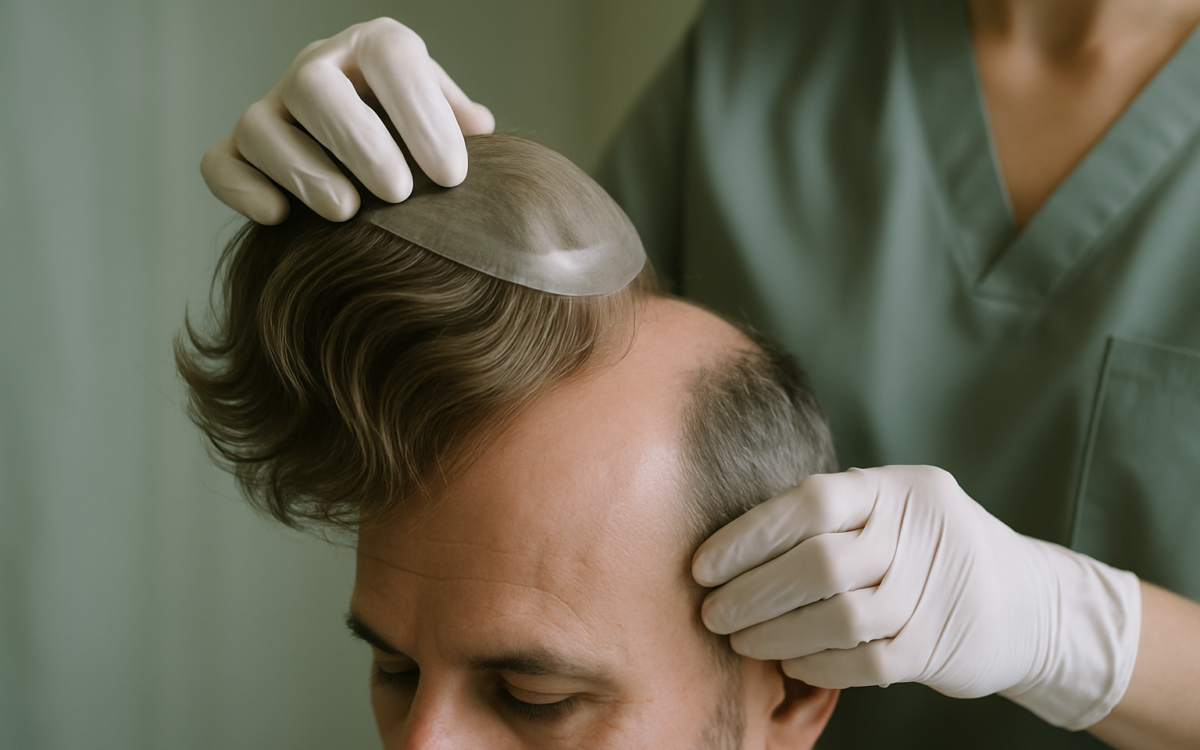
Hair Systems
Hair systems, also known as hairpieces, are custom-made to fit the individual’s head and can provide a natural appearance. They are generally more versatile than traditional wigs:
- Attachment Methods: Hair systems can be attached using various methods, including adhesive, clips, or tape, allowing for customizable wear based on lifestyle and comfort.
- Longevity: Properly maintained hair systems can last several months, depending on the material and care routine.
Hair systems can be a great long-term solution for individuals who are sensitive to the need for a more permanent appearance without undergoing surgery.
Medications for Hair Loss
In conjunction with hair replacement methods, medications can help promote hair regrowth or prevent further loss. Here are two common medications:
- Minoxidil: An over-the-counter topical treatment that has been shown to stimulate hair growth in both men and women. It is applied directly to the scalp.
- Finasteride: A prescription oral medication for men that helps prevent hair loss by blocking the hormone responsible for hair thinning.
While these medications can be effective, they typically need to be used continuously to maintain results. Discussing these options with a doctor can be beneficial for understanding the best fit for your needs.
The Emotional Impact of Hair Loss
Beyond the physical aspects, hair loss can significantly impact emotional well-being. Many individuals experience feelings of self-consciousness, anxiety, or depression related to their appearance. Here are some strategies to cope:
- Connect with Support Groups: Engaging with others who share similar experiences can provide comfort and understanding.
- Consider Counseling: Speaking with a mental health professional can help address feelings associated with hair loss and improve self-esteem.
- Stay Informed: Learning about hair loss and exploring options can empower individuals, alleviating feelings of helplessness.
Accepting hair loss can be a personal journey, and it is essential to be kind to oneself during this process.
When to See a Doctor
If you are experiencing unexpected hair loss or are unsure about the best hair replacement options for you, it’s essential to consult a healthcare professional. They can help identify any underlying medical conditions that may be contributing to hair loss and recommend appropriate treatment options. Additionally, a dermatologist or a specialist in hair restoration can provide valuable insights into viable hair replacement solutions.
Conclusion
Hair replacement offers various methods to address hair loss, whether through surgical options, non-surgical solutions like wigs and hair systems, or medications. Each individual’s journey with hair loss is unique, and it’s crucial to explore different avenues to find a solution that aligns with personal preferences and lifestyle. Should you experience hair loss, consider seeking guidance from a healthcare professional for tailored advice on the best path forward.
