
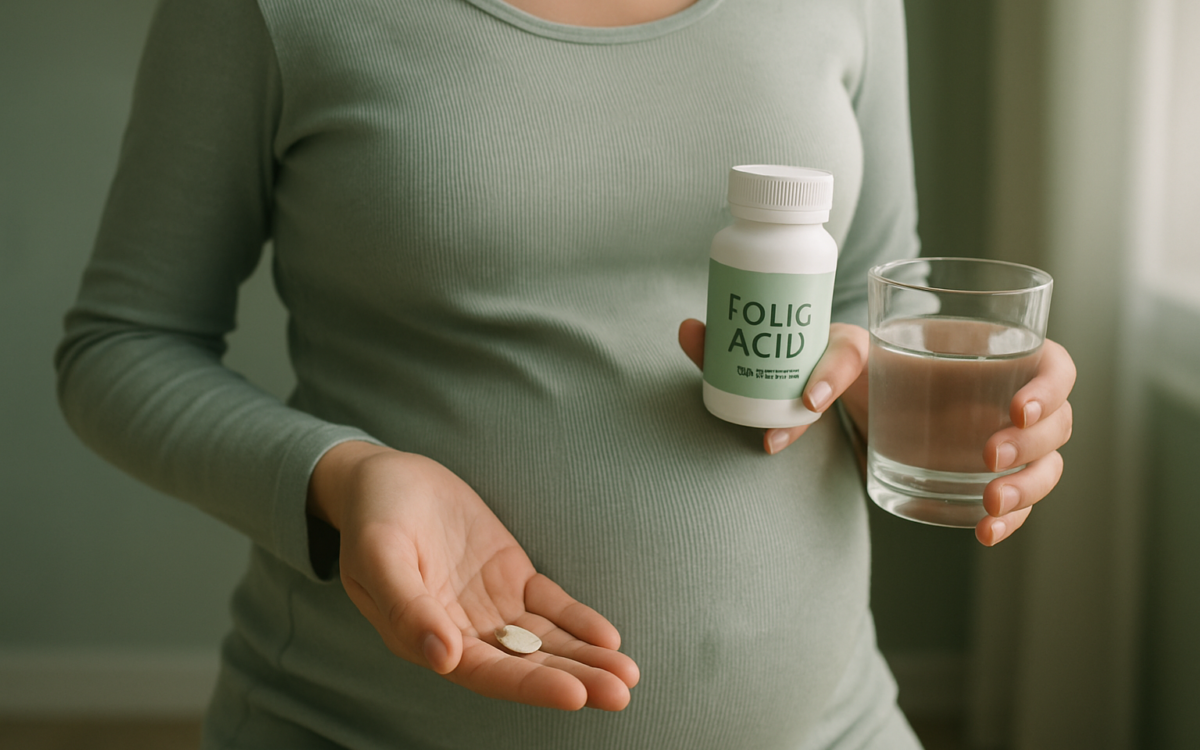
Pregnancy is an incredible journey filled with numerous physiological changes, and taking care of both mother and baby is paramount. One nutrient that has gained significant attention during this time is folic acid. But why is it essential, and how can it contribute to a healthier pregnancy? Let’s explore the benefits of folic acid supplementation and why it should be on every expectant mother’s radar.
What is Folic Acid?
Folic acid, a type of B vitamin (B9), plays a crucial role in the body. It helps form DNA and is involved in producing red blood cells. Folic acid can also aid in brain health and the development of our nervous systems. It’s found naturally in many foods, including leafy greens, beans, and citrus fruits, but during pregnancy, the need for this vitamin increases.
Why is Folic Acid Important During Pregnancy?
One of the primary reasons folic acid is emphasized during pregnancy is its role in reducing the risk of neural tube defects (NTDs). NTDs are serious birth defects of the brain and spinal cord, such as spina bifida and anencephaly, which can occur in the early weeks of pregnancy, often before a woman even knows she is pregnant.
The Centers for Disease Control and Prevention (CDC) recommends that all women capable of becoming pregnant take a daily supplement of 400 micrograms of folic acid, starting at least one month before conception and continuing through the first trimester. This is crucial because the neural tube develops in the first few weeks of pregnancy, a time when many women might not yet be aware they are pregnant.
Other Benefits of Folic Acid Supplementation
Beyond its essential role in preventing neural tube defects, folic acid offers various other benefits during pregnancy:
- Supports Healthy Cell Division: Folic acid is vital for the rapid cell division that occurs during embryonic development.
- Reduces Risk of Certain Complications: Adequate folic acid levels have been linked to a lower risk of pregnancy complications such as preeclampsia, a condition characterized by high blood pressure.
- Improves Maternal Health: Folic acid can help improve maternal mood and may lower the risk of postpartum depression, contributing positively to overall mental health.
How Much Folic Acid Do You Need?
The recommended daily allowance of folic acid varies depending on your life stage:
- Women of childbearing age should aim for 400 micrograms.
- Pregnant women should increase their intake to 600 micrograms per day.
- Nursing mothers are recommended to consume about 500 micrograms per day.
While a balanced diet can provide some folate naturally, supplementation is often necessary to meet the increased demands during pregnancy. It’s wise to consult your healthcare provider to determine the right dosage for your specific situation.
Best Sources of Folic Acid
Incorporating folate-rich foods into your diet is a delicious way to boost your intake:
- Leafy greens such as spinach and kale
- Legumes like lentils and chickpeas
- Citrus fruits, including oranges and grapefruits
- Nuts and seeds
- Fortified grains and cereals
However, even with a healthy diet, it may not be possible to get enough folate alone, which is where supplements come into play. Many prenatal vitamins now include folic acid to help ensure that expectant mothers receive enough of this essential nutrient.
What to Discuss with Your Doctor
Before starting any new supplements, it’s crucial to have a conversation with your healthcare provider. During your visit, consider discussing:
- Your current dietary habits and whether you might need a supplement.
- Any personal or family health history that might affect your folic acid needs.
- Other prenatal vitamins or minerals you might be taking.
Healthcare providers can help tailor recommendations based on individual health profiles and needs, ensuring both mother and baby get the required nutrients for a healthy start.
When to See a Doctor
If you have concerns about your folic acid intake, your diet, or prenatal health, schedule a visit with your doctor. This is especially important if you are planning to become pregnant or have health conditions that may interfere with nutrient absorption. A healthcare provider can guide you on the best practices for supplementation based on the latest research, helping ensure your pregnancy is as healthy as possible.
In summary, folic acid plays an indispensable role during pregnancy. From supporting fetal development to enhancing maternal health, this vitamin is something every expectant mother should prioritize. Staying informed and proactive about folic acid supplementation can make a significant difference in the health of both mother and child.
For more information on folic acid and pregnancy, you can visit resources from reputable organizations such as the CDC and the NIH.
