
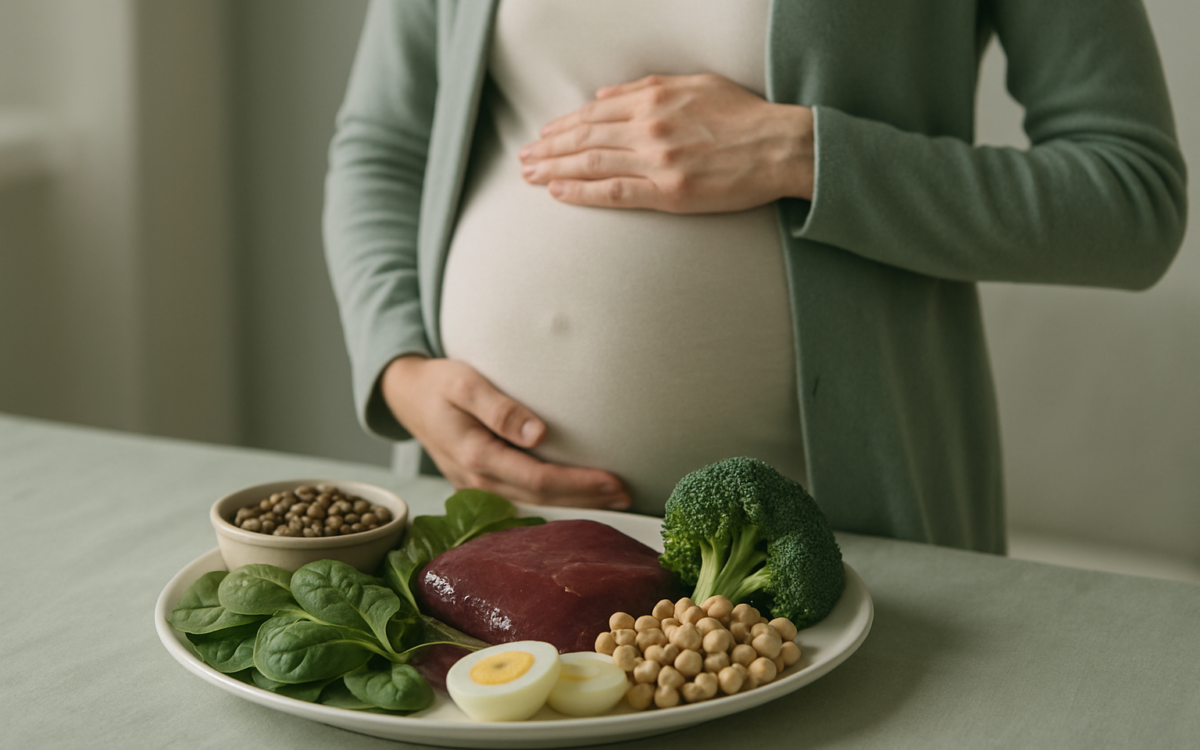
Pregnancy is an exciting time, filled with anticipation and a focus on health. One crucial aspect of a healthy pregnancy is ensuring that you consume enough iron. Iron plays a vital role in the development of your baby and in maintaining your well-being. Understanding which foods are rich in iron can help you make informed dietary choices during this important phase.
Why Is Iron Important During Pregnancy?
During pregnancy, your body requires more iron than usual. Iron is essential for producing hemoglobin, the protein in red blood cells that carries oxygen throughout your body and to your baby. Adequate iron levels are necessary to support your baby’s growth and development, especially in the second and third trimesters when your blood volume increases significantly.
A lack of iron can lead to anemia, a condition that can cause fatigue, weakness, and complications during childbirth. According to NIH, sufficient iron intake is critical for pregnant women to prevent anemia and promote the health of both mother and child.
Types of Iron: Heme and Non-Heme
Iron comes in two types: heme and non-heme. Heme iron is derived from animal sources and is more easily absorbed by the body, while non-heme iron comes from plant-based foods and is less readily absorbed. Understanding these differences can help you make better food choices.
Sources of Heme Iron
Here are some excellent sources of heme iron:
- Red Meat: Beef, lamb, and pork are particularly rich in heme iron.
- Poultry: Chicken and turkey also provide a good amount of heme iron.
- Fish and Seafood: Shellfish like oysters and clams are among the highest in iron content.
Sources of Non-Heme Iron
For those who prefer plant-based options, focus on these non-heme iron sources:
- Legumes: Lentils, chickpeas, and beans are excellent sources of iron.
- Nuts and Seeds: Pumpkin seeds and cashews can add iron to your diet.
- Leafy Greens: Spinach and kale provide a healthy dose of iron, along with other important nutrients.
- Fortified Foods: Some cereals and grains are fortified with iron to help boost your intake.
Making the Most of Iron Intake
To enhance iron absorption, it’s beneficial to consume vitamin C alongside iron-rich foods. This can include pairing spinach with a citrus dressing or serving legumes with a side of bell peppers or tomatoes. Avoid consuming calcium-rich foods or drinks, such as milk, at the same time as iron-rich meals, as calcium can inhibit iron absorption.
Stay mindful of your cooking methods, as certain practices can influence iron content. For instance, cooking in cast iron cookware can increase the iron content of the food you’re preparing.
Daily Iron Requirements During Pregnancy
The recommended daily intake of iron for pregnant women varies by trimester. According to the World Health Organization (WHO), pregnant women typically require around 27 mg of iron per day. This requirement underscores the importance of incorporating iron-rich foods into your meal planning.
To meet these needs, aim to include a variety of iron-rich foods in your diet daily. Keep in mind that individual needs may differ based on personal health conditions and dietary restrictions, so it’s wise to consult with a healthcare provider.
Practicing a Balanced Diet
While it’s important to focus on iron intake, maintaining a balanced diet is equally crucial. Ensure that you include a variety of fruits, vegetables, whole grains, and proteins in your meals. This diversity not only helps meet your iron needs but also provides other essential nutrients that support both you and your baby.
Some examples of balanced meal ideas include:
- Breakfast: Fortified cereal topped with strawberries
- Lunch: Spinach salad with chickpeas, bell peppers, and citrus dressing
- Dinner: Grilled chicken with quinoa and steamed broccoli
When to See a Doctor
If you experience symptoms of iron deficiency—such as fatigue, dizziness, or shortness of breath—actively discuss these concerns with your healthcare provider. Routine blood tests during pregnancy will also help monitor your iron levels and overall health.
Conclusion
Understanding the significance of iron and how to incorporate iron-rich foods into your diet can pave the way for a healthier pregnancy. Whether you favor meat, seafood, or plant-based foods, remember to include a variety of iron sources to support your nutritional needs. A well-rounded approach, along with guidance from your healthcare provider, can help ensure that both you and your baby thrive during this special time.
