
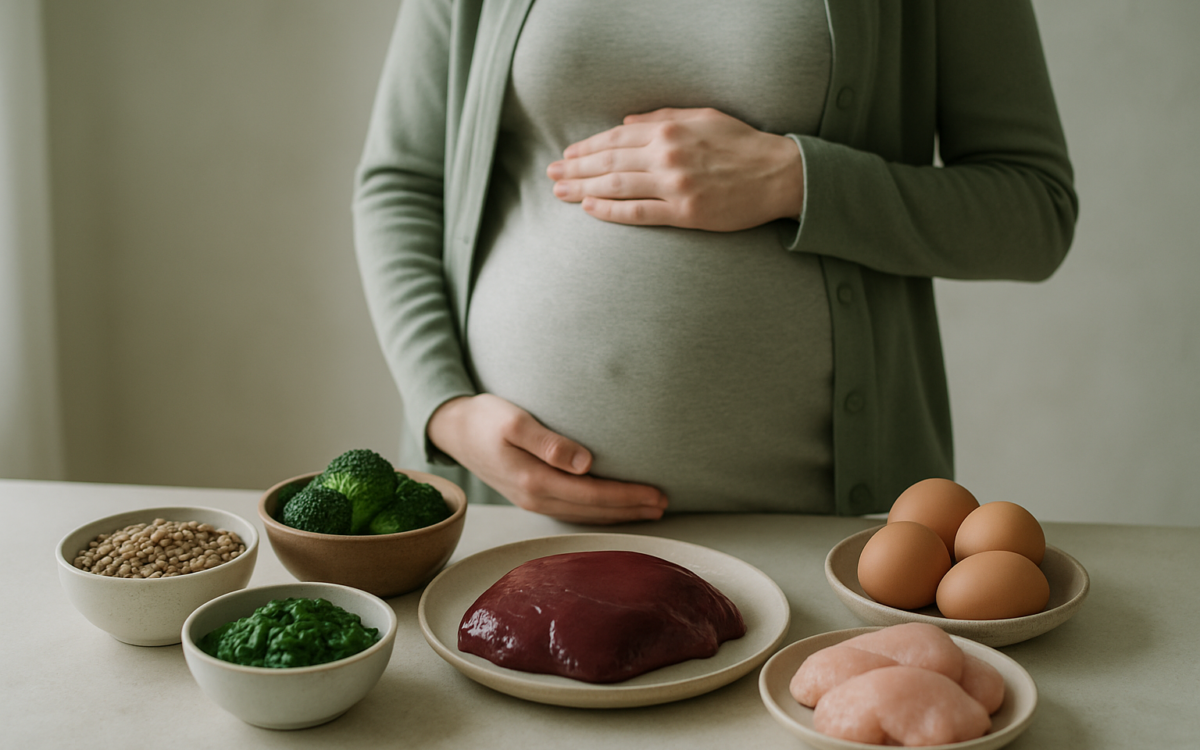
Pregnancy is a beautiful journey filled with anticipation, but it can also come with its challenges. One particularly critical aspect of prenatal nutrition is ensuring adequate iron intake. Iron plays a vital role in supporting both maternal health and the healthy development of the baby. Understanding which foods are high in iron can help expectant mothers make informed dietary choices for a healthier pregnancy.
Why Iron is Important During Pregnancy
During pregnancy, a woman’s blood volume increases significantly, which raises the demand for iron. Iron is essential for producing hemoglobin, a protein in red blood cells that carries oxygen to the mother and her developing baby. Insufficient iron levels can lead to iron deficiency anemia, resulting in fatigue, weakness, and complications such as premature birth or low birth weight. According to the National Institutes of Health, pregnant women require about 27 mg of iron daily, which is nearly double the amount needed by non-pregnant women.
Top Iron-Rich Foods for Pregnant Women
Incorporating a variety of iron-rich foods into the diet can help ensure adequate intake. Foods are generally categorized into two types of iron sources: heme and non-heme iron.
1. Heme Iron Sources
Heme iron is found in animal products and is more easily absorbed by the body. Here are excellent sources of heme iron:
- Lean red meats: Beef, lamb, and pork are rich in heme iron. Try to choose lean cuts and enjoy them grilled, roasted, or in stews.
- Poultry: Chicken and turkey can also provide a good source of iron. Dark meat has a higher iron content than white meat.
- Fish and seafood: Oysters, sardines, and tuna are great options that not only offer iron but also valuable omega-3 fatty acids.
2. Non-Heme Iron Sources
Non-heme iron is found in plant-based foods and is not absorbed as efficiently as heme iron. However, these foods are still vital for a balanced diet:
- Legumes: Lentils, chickpeas, and beans are excellent sources of non-heme iron. They can be incorporated into soups, salads, or served as a side dish.
- Leafy greens: Spinach, Swiss chard, and kale provide iron and can easily be added to smoothies, salads, or stir-fries.
- Nuts and seeds: Pumpkin seeds, hemp seeds, and cashews are great snack options that also offer beneficial fats and protein.
Fortified Foods
Many products are fortified with iron to help meet dietary needs, especially for pregnant women. Cereals, bread, and pasta often have added iron. When selecting these options, check the labels for iron content and choose products with higher values. Not only are they a great source of iron, but they also provide other essential nutrients.
Enhancing Iron Absorption
To maximize iron absorption, consider pairing iron-rich foods with vitamin C sources. Foods like oranges, strawberries, bell peppers, and broccoli can enhance the body’s ability to absorb non-heme iron. For example, adding some orange slices or a glass of juice to a meal with beans and rice can make a significant difference. Additionally, avoiding the consumption of calcium-rich foods or beverages (like milk) at the same time as iron-rich meals can improve absorption, as calcium can inhibit iron uptake.
Iron Supplements
In some cases, dietary intake may not be sufficient to meet iron needs, and doctors may recommend supplementation. It is crucial for pregnant women to consult their healthcare provider before starting any supplements, as excessive iron can lead to complications. Regular blood tests can determine if an iron supplement is necessary.
When to See a Doctor
If you experience symptoms such as extreme fatigue, weakness, or pale skin, it’s essential to consult with your healthcare provider. They can evaluate your iron levels and offer guidance on dietary changes or supplementation as needed. Regular prenatal check-ups will also help monitor your overall health and the growth of your baby.
Conclusion
Maintaining an adequate intake of iron during pregnancy is crucial for both maternal and fetal health. By including a variety of heme and non-heme iron sources in your diet and enhancing absorption through strategic pairings with other foods, you can support a healthy pregnancy. Remember to discuss any dietary concerns or plans with your healthcare provider to ensure the best outcomes for you and your baby.
