
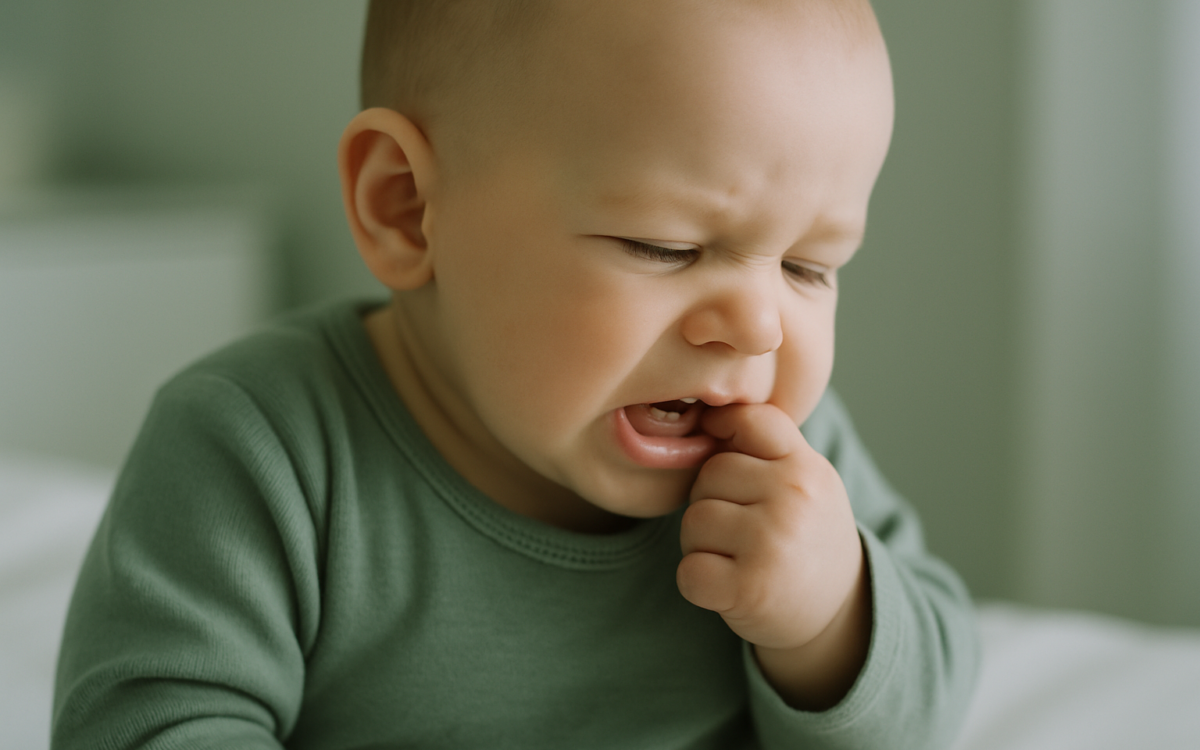
Hearing your baby grind their teeth can be alarming. Many parents wonder if it’s normal or if there’s something to worry about. In this article, we’ll explore what baby teeth grinding is, its causes, and what you should keep an eye on as your little one grows.
What is teeth grinding?
Teeth grinding, medically known as bruxism, is the involuntary clenching and grinding of teeth. It is common among children and can occur during the day or at night while sleeping. In babies, this behavior may begin as soon as their first teeth emerge or even earlier when they are still in utero. Many little ones will eventually outgrow this habit.
Why do babies grind their teeth?
There are several reasons why babies might grind their teeth:
- Teething: As babies’ teeth begin to come in, they may grind their teeth as a response to the discomfort of teething. Grinding may provide a sense of relief for sore gums.
- Exploration: Babies explore their world through every sense, and grinding their teeth may simply be a way to investigate their new chompers.
- Stress or anxiety: Just like adults, babies can experience stress or anxiety, which may lead to teeth grinding. Changes in their environment, like starting daycare or moving to a new home, can contribute to this.
- Misalignment of teeth: If a baby’s teeth are misaligned, they might grind their teeth to find a comfortable bite. This can become more noticeable as they grow and their teeth change.
When does teeth grinding become a concern?
While teeth grinding is often harmless, there are signs that indicate it may be a cause for concern:
- Damage to teeth: Listen for signs such as excessive wear, chips, or cracks in the teeth. If you notice any of these, it’s time to consult a pediatric dentist.
- Pain or discomfort: If your child seems to be in pain while grinding their teeth, or if you notice any signs of discomfort, then it’s wise to get a professional opinion.
- Patterns of grinding: If your baby grinds their teeth excessively, especially during sleep, it might be indicative of an underlying issue.
How can you help your baby?
Here are some suggestions for parents who are noticing their child grind their teeth:
- Provide comfort during teething: Use teething rings or other soothing objects that your baby can gnaw on. This can help distract from the urge to grind.
- Reduce stress: Look for signs of anxiety in your baby. Providing a consistent routine and a nurturing environment can help alleviate stress.
- Regular dental visits: Schedule routine check-ups with a pediatric dentist. They can monitor the development of your child’s teeth and offer advice on managing grinding.
What can you expect from your dentist?
If you take your baby to the dentist regarding teeth grinding, here’s what you may expect:
- Assessment: The dentist will assess your child’s teeth and jaw alignment to rule out any underlying dental issues.
- Guidance: Based on their findings, the dentist can provide tailored advice, such as specific coping strategies or the potential need for special dental appliances.
- Monitoring: If teeth grinding is not causing any immediate problems, the dentist may simply recommend regular check-ups to keep an eye on the situation.
When to see a doctor
If you notice your baby’s teeth grinding is accompanied by other issues such as difficulty eating, signs of pain, or abnormal behavior, it’s important to consult your pediatrician. They can evaluate whether there is a more serious underlying condition contributing to the grinding.
Conclusion
Teeth grinding in babies is quite common and often temporary. Understanding the potential causes can help alleviate any concerns you have as a parent. Regular dental visits will ensure that your little one’s teeth are developing properly. If you have any worries or if your child shows any troubling signs, don’t hesitate to seek guidance from a healthcare professional. With the right support and understanding, you can navigate this phase of your baby’s development with confidence.
