
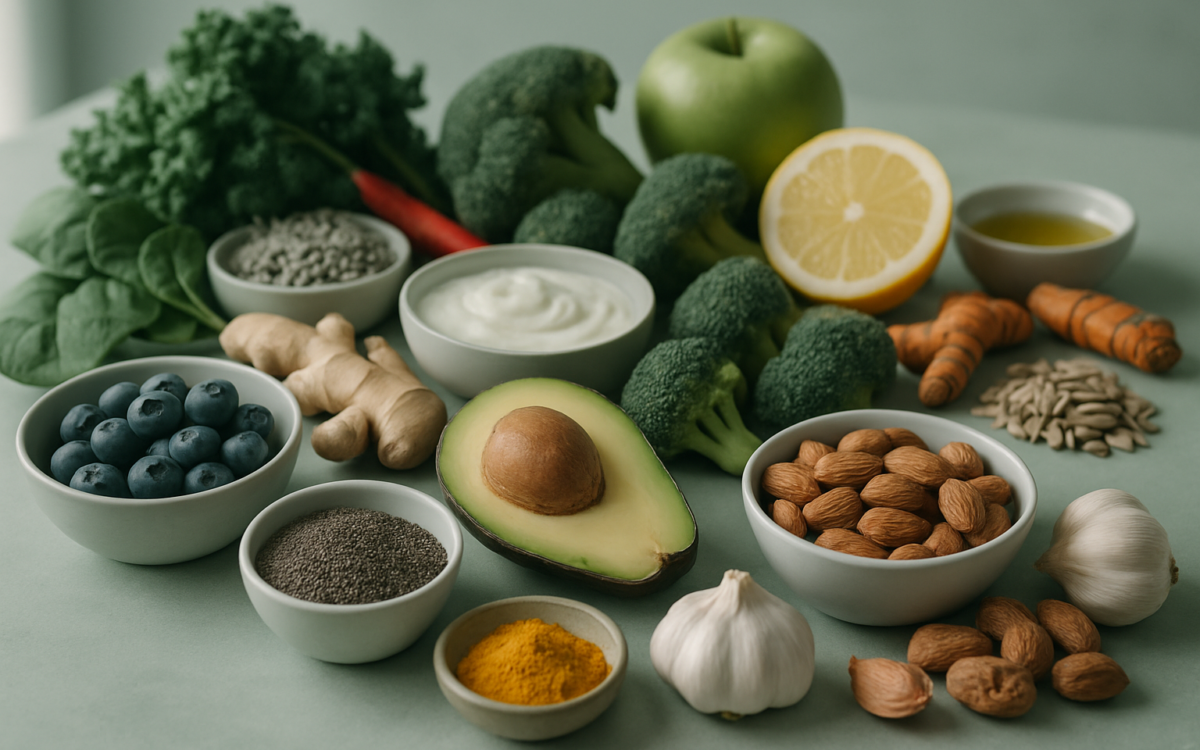
In today’s fast-paced world, many of us experience inflammation without even realizing it. Chronic inflammation can lead to numerous health problems, including heart disease, diabetes, and arthritis. Thankfully, our diet can play a crucial role in managing inflammation. By incorporating specific foods into our daily meals, we can reduce inflammation and promote overall health and well-being.
1. Fatty Fish
Fatty fish like salmon, mackerel, and sardines are rich in omega-3 fatty acids, known for their strong anti-inflammatory properties. These healthy fats can lower levels of inflammatory markers in the body. Try to include two servings of fatty fish in your weekly diet for optimal benefits.
2. Leafy Greens
Vegetables such as spinach, kale, and collard greens are packed with vitamins, minerals, and antioxidants. They contain nutrients that combat oxidative stress and inflammation. Aim for a variety of leafy greens to maximize their health benefits.
3. Berries
Berries, including blueberries, strawberries, and raspberries, are rich in antioxidants called flavonoids. These compounds help reduce inflammation and boost immune function. Enjoy them fresh, frozen, or in smoothies for a delicious treat.
4. Nuts
Nuts like walnuts, almonds, and hazelnuts are not only a great source of healthy fats but also rich in fiber and protein. Studies show that nuts can lower inflammatory markers in the body. A small handful a day can make a positive impact on your health.
5. Olive Oil
Extra virgin olive oil is a staple in the Mediterranean diet and is renowned for its anti-inflammatory properties. Rich in oleocanthal, a compound that mimics the effects of ibuprofen, it has been shown to reduce inflammation in studies. Use it for cooking or as a dressing for salads.
6. Tomatoes
Tomatoes are an excellent source of lycopene, an antioxidant that may help reduce inflammation. Cooking tomatoes, such as in sauces, can increase the availability of lycopene, making it even more beneficial. Incorporate tomatoes not just for their taste but also their health benefits.
7. Turmeric
This vibrant yellow spice contains curcumin, a powerful anti-inflammatory compound. Adding turmeric to your meals can help fight inflammation and improve overall health. Pair it with black pepper to enhance absorption when consuming it.
8. Fruits
- Apples: Rich in fiber and antioxidants.
- Oranges: High in vitamin C, promoting a healthy immune system.
- Cherries: Contain anthocyanins that lower inflammation.
Include a variety of fruits in your diet to gain a broad spectrum of nutrients that help combat inflammation.
9. Whole Grains
Whole grains like brown rice, quinoa, and oats are high in fiber, which helps reduce inflammation. They also provide essential vitamins and minerals. Opt for whole grains over refined grains for a healthier choice.
10. Garlic
Garlic is known for its many health benefits and has anti-inflammatory properties. It contains sulfur compounds that may help reduce inflammation. Adding fresh garlic to your dishes can enhance flavor and enhance health.
11. Ginger
Ginger is another powerful spice with anti-inflammatory effects. It can help reduce muscle pain and soreness, making it a great addition to your diet after exercise. Fresh ginger tea or adding it to meals can boost your intake.
12. Green Tea
Green tea is known for its high levels of epigallocatechin gallate (EGCG), an antioxidant that fights inflammation. Drinking a cup or two daily can be a soothing and healthy choice, contributing to better health.
13. Beets
Beets are packed with nutrients and are a great source of dietary nitrates, which can help lower blood pressure and reduce inflammation. Roasted, juiced, or added to salads, beets can offer a colorful, nutritious boost to your meals.
14. Dark Chocolate
Good news for chocolate lovers! Dark chocolate, particularly varieties with at least 70% cacao, contains antioxidants that combat inflammation. Enjoy it in moderation to obtain health benefits while satisfying your cravings.
15. Avocados
Avocados are a unique fruit high in healthy monounsaturated fats, which are known to reduce inflammation. They are also rich in potassium and fiber, making them a nourishing addition to many dishes.
16. Mushrooms
Mushrooms, particularly varieties like shiitake and maitake, have been shown to possess anti-inflammatory effects. They are low in calories and can be a valuable addition to a variety of meals.
17. Fermented Foods
Fermented foods such as yogurt, kefir, and sauerkraut are beneficial for gut health. A healthy gut can help regulate the immune system and reduce inflammation. Including probiotics in your diet is a great way to support overall health.
18. Coconut Oil
Coconut oil contains medium-chain triglycerides (MCTs) that may help reduce inflammation. It can be used in cooking or added to smoothies for a creamy texture and flavor.
19. Broccoli
Broccoli is a cruciferous vegetable high in sulforaphane, an antioxidant that combats inflammation. Steaming broccoli may preserve its nutrient content, making it a smart choice for meals.
20. Sweet Potatoes
Sweet potatoes are high in fiber, vitamins, and antioxidants. They provide anti-inflammatory benefits and can be prepared in various ways, making them a versatile side dish.
When to See a Doctor
If you are experiencing chronic inflammation symptoms such as persistent pain, fatigue, or swelling, it’s essential to consult a healthcare professional. They can provide tailored advice and ensure appropriate management of your health.
In conclusion, incorporating these top 20 anti-inflammatory foods into your diet can help you combat inflammation and promote overall health. Eating a variety of colorful, antioxidant-rich foods can lead to better well-being and a more vibrant lifestyle. Remember, it’s always a good idea to discuss dietary changes with your healthcare provider, especially if you have existing health conditions.
