
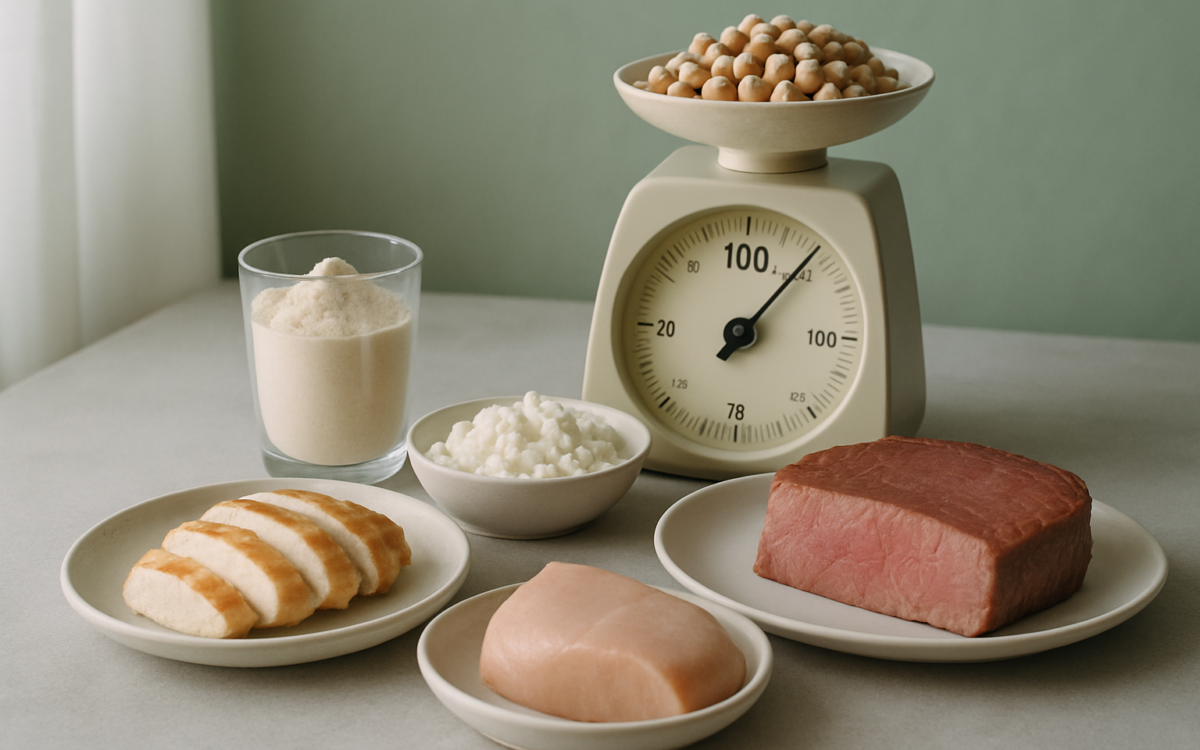
When it comes to eating healthy, protein is often at the forefront of dietary discussions. It’s a vital nutrient that supports muscle growth, repairs tissues, and plays a role in overall health. But how much protein do you really need? A common benchmark is 100 grams of protein per day, which can be a goal for many individuals, especially those looking to maintain or build muscle. In this article, we’ll explore the importance of protein, how to incorporate 100 grams into your daily meals, and the best sources to achieve that target.
The Importance of Protein
Protein is made up of amino acids, which are the building blocks of your body. Every cell you have contains protein, and it is involved in many body functions, including:
- Building and repairing tissues
- Producing enzymes and hormones
- Supporting immune function
- Maintaining healthy hair and skin
According to the National Institutes of Health, a diet with sufficient protein can help maintain muscle mass, especially as we age. This is crucial for staying healthy and active over the years.
How Much Protein Do You Need?
While the general recommendation for protein intake is about 46 grams for women and 56 grams for men per day, many active individuals and athletes may benefit from higher intakes. A gram-to-gram estimate often discussed is 1 gram of protein per kilogram of body weight for healthy adults, but this can vary based on activity level, age, and specific health goals.
To put it simply, if your goal is to consume around 100 grams of protein per day, it’s not just about hitting that number; it’s about spreading it throughout your meals. This tip optimizes protein synthesis in your body.
How to Incorporate 100 Grams of Protein
Achieving 100 grams of protein in your daily meals may seem daunting, but it can be easily managed with a little planning. Here’s a sample meal plan to illustrate how you can reach this target:
Breakfast
- 3 scrambled eggs (18 grams of protein)
- 1 slice of whole-grain toast with 2 tablespoons of peanut butter (8 grams of protein)
- 1 cup of Greek yogurt (20 grams of protein)
Total: 46 grams
Lunch
- 4 ounces of grilled chicken breast (35 grams of protein)
- 1 cup of quinoa (8 grams of protein)
- Mixed vegetables (2 grams of protein)
Total: 45 grams
Snack
- 1 protein shake (20 grams of protein)
Total: 20 grams
Dinner
- 4 ounces of salmon (25 grams of protein)
- 1 sweet potato (4 grams of protein)
- Steamed broccoli (3 grams of protein)
Total: 32 grams
When you add it all up, you’re easily able to hit 100 grams of protein across the day! Of course, you can modify the plan based on dietary preferences (like vegetarian or vegan) and ingredient availability.
Best Sources of Protein
To achieve your protein goals, consider the following sources:
- Animal Sources: Chicken, turkey, fish, lean beef, and dairy products like milk, yogurt, and cheese.
- Plant Sources: Lentils, beans, chickpeas, tofu, tempeh, quinoa, nuts, and seeds.
- Protein Supplements: Protein powders (whey, casein, or plant-based) can also help you reach your goals, especially for active individuals.
It’s essential to combine different sources of protein for a well-rounded amino acid profile, particularly if you are following a vegetarian or vegan diet.
Protein Myths and Misconceptions
There are many myths floating around about protein consumption. Let’s clear some common misconceptions:
- More protein always means more muscle: While protein is essential for muscle growth, other factors like regular strength training and overall caloric intake also play a crucial role.
- High protein diets are bad for your kidneys: For healthy individuals, a high-protein diet is generally safe. However, those with pre-existing kidney conditions should consult with a healthcare professional.
- You only need protein from animal sources: Plant-based proteins can be just as effective, particularly when a wide variety of sources are included.
It’s always beneficial to educate yourself and discuss with a healthcare provider before making significant changes to your diet.
When to See a Doctor
If you have specific health conditions, concerns about your diet, or if you’re considering significant dietary changes (like going vegetarian or vegan), it’s vital to consult a doctor or a registered dietitian. They can help ensure you meet your nutritional needs while considering any health conditions.
Conclusion
Incorporating 100 grams of protein into your daily diet can enhance your overall health and support your fitness goals. By understanding how much protein you really need, how to incorporate it into your meals, and knowing the best sources, you’re on your way to a healthier, multi-faceted nutrition plan. Remember, protein is just one piece of the nutrition puzzle. Balanced meals, adequate hydration, and exercise also play significant roles in your health and well-being!
