
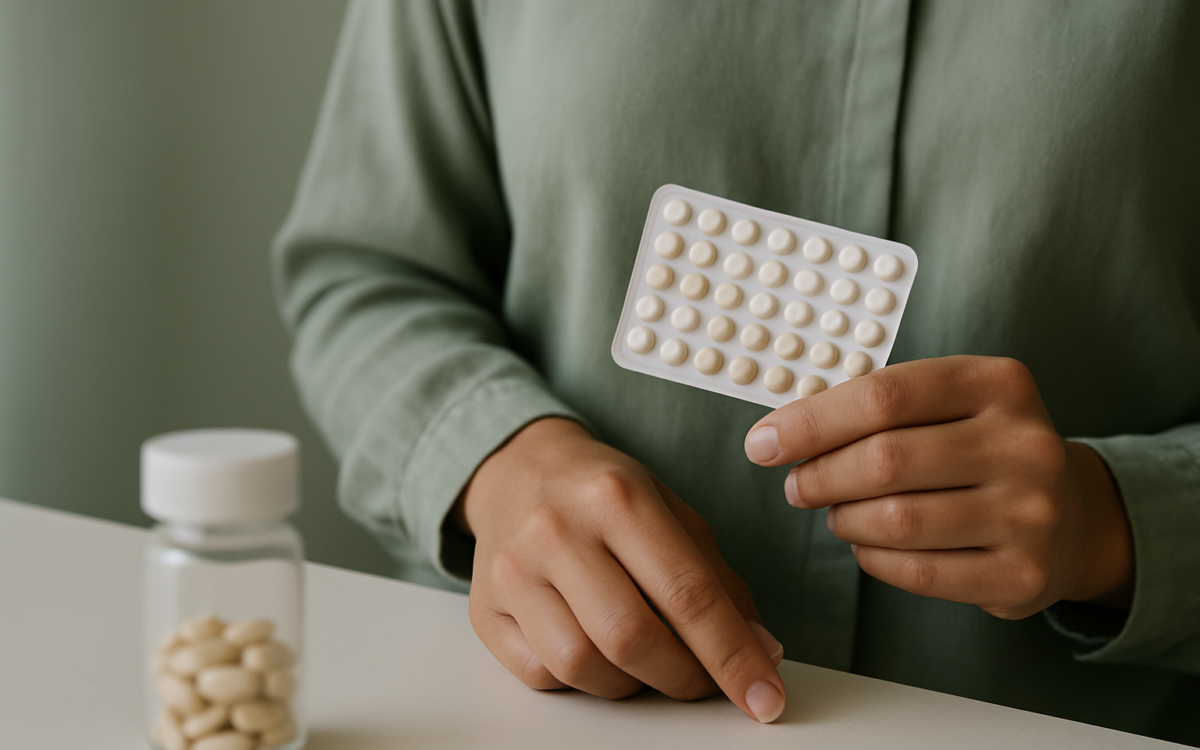
Polycystic ovary syndrome (PCOS) is a condition that affects many women of reproductive age. It can cause a variety of symptoms, such as irregular menstrual cycles, weight gain, excessive hair growth, and even acne. One of the most common treatments for managing these symptoms is the use of hormonal contraceptives. In this article, we’ll dive into how these contraceptives work, their benefits, risks, and more.
What is PCOS?
PCOS is a hormonal disorder characterized by an imbalance in reproductive hormones. This condition can lead to the development of cysts in the ovaries, irregular ovulation, and a range of other symptoms. While the exact cause of PCOS is still not fully understood, factors like genetics, insulin resistance, and inflammation are believed to play significant roles. According to the National Institutes of Health (NIH), it affects an estimated 1 in 10 women.
How do hormonal contraceptives work?
Hormonal contraceptives, commonly known as birth control, primarily work by regulating hormonal levels in the body. They usually contain either estrogen, progesterone, or a combination of both. By doing so, these contraceptives help in:
- Regulating menstrual cycles
- Reducing excessive hair growth
- Improving acne
- Managing weight gain
- Reducing the risk of endometrial cancer
The regulation of hormone levels helps to stabilize the body’s natural rhythms, which is crucial for women with PCOS who often experience irregular cycles.
Types of hormonal contraceptives
There are several types of hormonal contraceptives available, each with its unique functions and benefits:
Combination Pills
Combination birth control pills contain both estrogen and progestin. These pills are often prescribed because they are effective in regulating menstrual cycles and can also help with symptoms like acne and hirsutism (excessive hair growth).
Progestin-Only Pills
Progestin-only pills, or the mini-pill, may be recommended for women who have contraindications to estrogen. While less commonly used for PCOS, they can still help manage symptoms for some women.
Hormonal IUDs
Intrauterine devices (IUDs) that release hormones can also be an option. They work similarly to pills but are administered directly into the uterus, providing long-term contraception while also managing periods.
Hormonal Implants and Injections
Implants placed under the skin and hormonal injections (like Depo-Provera) are other alternatives for managing symptoms associated with PCOS while preventing pregnancy.
Benefits of using hormonal contraceptives for PCOS
The use of hormonal contraceptives can provide a variety of benefits for those suffering from PCOS. Some notable advantages include:
- Menstrual regulation: These contraceptives can create regular menstrual cycles, which may help in reducing long-term health risks.
- Lightening of periods: Many women report lighter bleeding and less cramping, which can significantly improve quality of life.
- Reduction in symptoms: Hormonal contraceptives can help reduce excessive hair growth and acne, both common symptoms of PCOS.
- Protection from endometrial cancer: By regulating the hormonal environment, contraceptives may lower the risk of developing cancer in the lining of the uterus.
According to the Mayo Clinic, many women find that hormonal contraceptives greatly improve how they feel physically and emotionally.
Considerations and potential risks
While hormonal contraceptives come with benefits, it’s essential to be aware of potential risks. Here are a few considerations:
- Side effects: Some women may experience side effects like weight gain, mood changes, or nausea.
- Blood clot risks: Certain hormonal contraceptives can increase the risk of blood clots, particularly in women who smoke or are over 35.
- Not all options suit everyone: Some women may have certain medical conditions that make hormonal contraceptives unsuitable; consultation with a healthcare provider is essential.
Discussing these factors with your doctor can help ensure that you choose the best treatment option for you.
Complementary treatments for PCOS
In addition to hormonal contraceptives, several other treatments can help manage PCOS. These may include:
- Lifestyle changes: Maintaining a healthy weight through diet and exercise can greatly improve symptoms.
- Medications: Other medications, such as metformin, can help manage insulin levels and improve ovulation.
- Supportive therapies: Techniques like acupuncture and counseling may also provide relief from emotional and physical symptoms.
Combining treatments often yields the best results, allowing women with PCOS to better manage their symptoms.
When to see a doctor
If you’re experiencing symptoms of PCOS, it’s crucial to consult with a healthcare provider. They can provide a proper diagnosis and help tailor a treatment plan that works for you. Furthermore, if you’re already on hormonal contraceptives and experience troubling side effects or changes in your health, don’t hesitate to seek advice.
Conclusion
Hormonal contraceptives can play a significant role in managing the symptoms of PCOS. While they offer many benefits, it’s essential to have an open dialogue with your healthcare provider about your needs and any potential risks. Remember, every woman’s experience with PCOS is unique, and finding the right treatment is a personal journey.
