
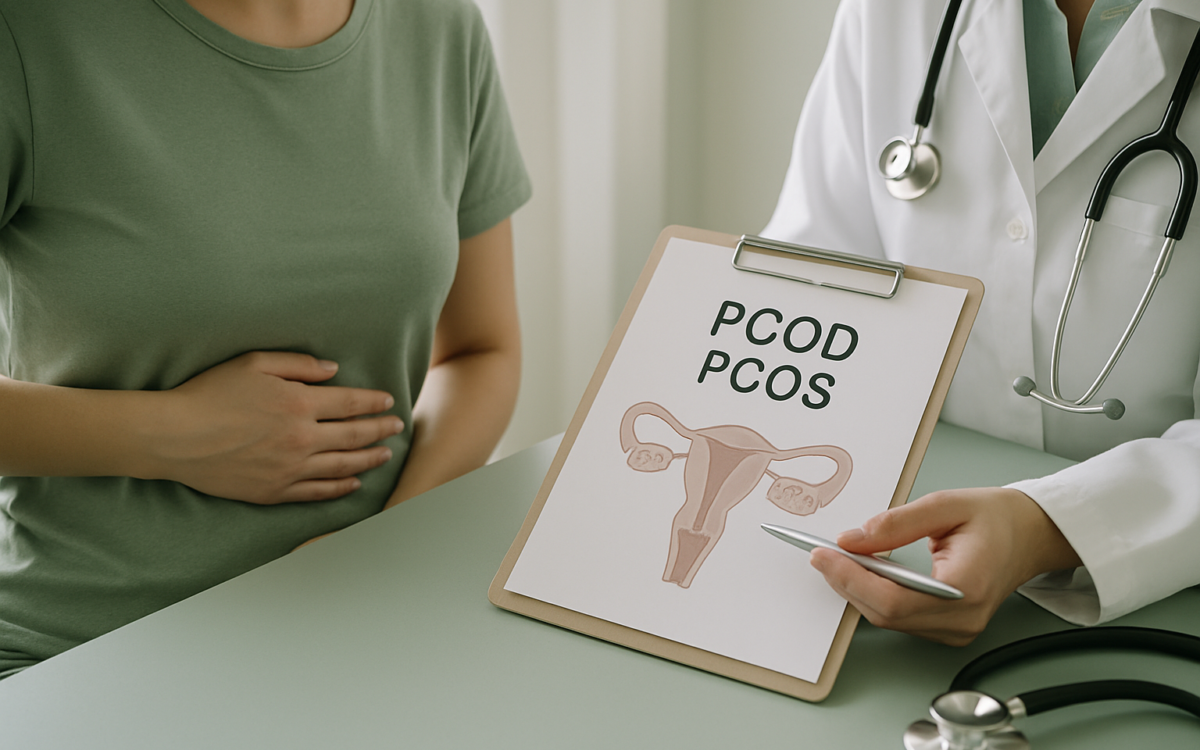
Many women experience various health challenges related to their reproductive system, and two commonly discussed conditions are PCOD and PCOS. While these terms are often used interchangeably, they represent different complexities in women’s health. Understanding the differences, symptoms, and potential treatments can empower women to seek appropriate care and live healthier lives.
What Are PCOD and PCOS?
PCOD stands for Polycystic Ovarian Disease, while PCOS stands for Polycystic Ovarian Syndrome. Both conditions are linked to hormonal imbalances and can affect a woman’s overall health and fertility.
PCOD is generally considered a less severe condition characterized by the presence of multiple ovarian cysts but often allows for regular ovulation and menstrual cycles. PCOS, on the other hand, is a hormonal disorder that can lead to varied and significant health issues, such as irregular menstrual cycles, excess hair growth, and weight gain, all resulting from more severe hormonal disruptions. According to the National Institutes of Health (NIH), about 5% to 10% of women of childbearing age are affected by PCOS.
Symptoms and Diagnosis
Women experiencing PCOD and PCOS may encounter a range of symptoms, which can vary in severity from person to person. Common symptoms include:
- Irregular menstrual periods
- Excessive hair growth on the face and body (hirsutism)
- Acne and oily skin
- Weight gain or difficulty losing weight
- Thinning hair or hair loss
- Fertility issues
Diagnosing PCOD and PCOS typically involves a comprehensive evaluation that includes a medical history, physical examination, and various tests such as blood work to check hormone levels, ultrasound imaging to assess the ovaries, and sometimes metabolic evaluations. The diagnosis can often be complex, so it is crucial to consult with a healthcare provider if symptoms arise.
Causes and Risk Factors
While the exact cause of PCOD and PCOS is not fully understood, several factors are believed to contribute:
- Genetics: A family history of PCOS increases the likelihood of developing the condition.
- Insulin resistance: Many women with PCOS have insulin resistance, causing elevated insulin levels that affect ovarian function.
- Obesity: Being overweight can worsen symptoms and increase the risk of developing serious complications.
People affected by these disorders may also experience associated risks for other conditions, such as type 2 diabetes and heart disease, making early intervention and treatment essential.
Treatment Options
Treatment for PCOD and PCOS often focuses on managing symptoms and addressing individual health goals, such as regulating menstrual cycles, reducing hormonal imbalances, and promoting weight management. Common approaches include:
- Lifestyle changes: Diet and exercise play crucial roles in managing weight and insulin levels, which can significantly improve symptoms.
- Medications: Hormonal contraceptives may be prescribed to regulate menstrual cycles, and medications like Metformin can help manage insulin resistance.
- Fertility treatments: For those struggling with infertility, options like Clomid or assisted reproductive technologies may be recommended.
For women considering international treatment options, international patient services can provide comprehensive support, ensuring access to advanced medical care and specialists worldwide.
Living with PCOD and PCOS
Managing daily life with either condition involves understanding and addressing symptoms and adopting lifestyle changes that promote overall well-being. Regular check-ups and conversations with healthcare providers can help women make informed decisions about managing their health effectively.
Support groups and educational resources can also prove beneficial, providing networks of encouragement and valuable information from others facing similar challenges.
When to See a Doctor
If you are experiencing symptoms associated with PCOD or PCOS, such as irregular periods, unexplained weight gain, or excessive hair growth, it is essential to consult with a healthcare provider. Early diagnosis and intervention can significantly improve health outcomes and quality of life.
Conclusion
Understanding PCOD and PCOS can empower women to take control of their reproductive health. With awareness, proper medical support, and lifestyle adaptations, managing these conditions is possible. Stay proactive, and remember that consulting your healthcare provider is the first step towards a healthier future.
