
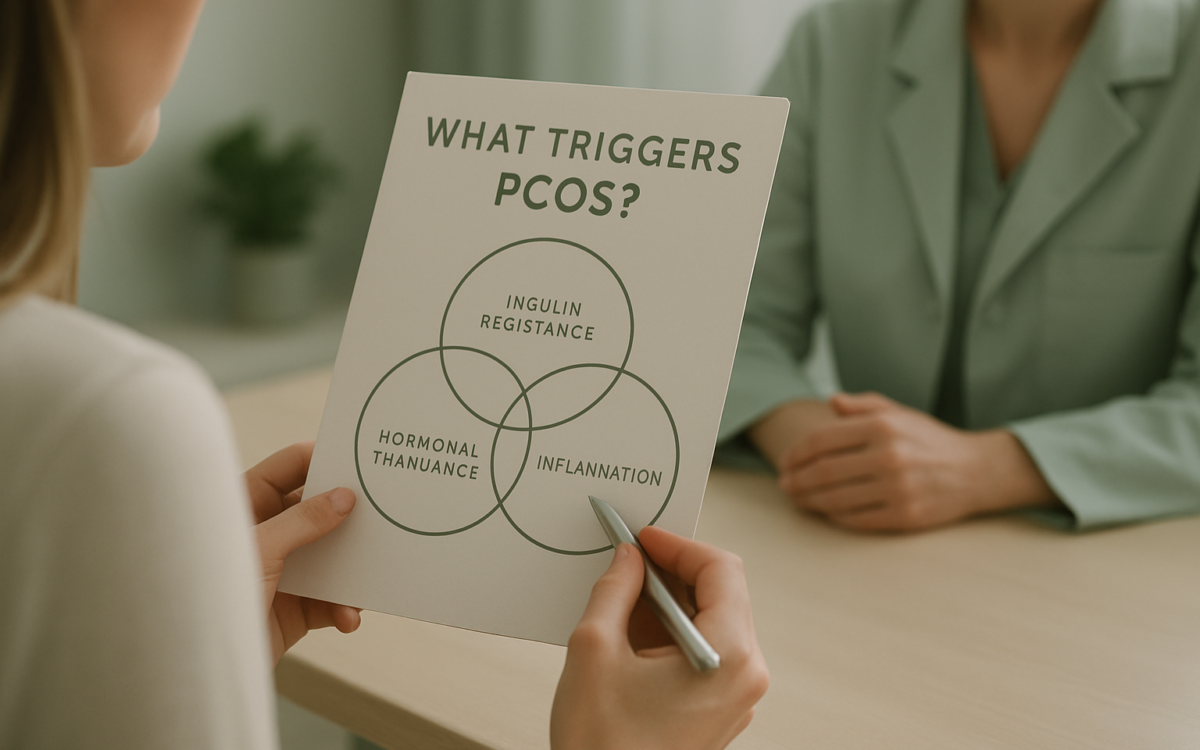
Polycystic Ovary Syndrome (PCOS) is a complex hormonal disorder that affects many women around the globe. While the exact cause of PCOS remains unclear, a combination of genetic, lifestyle, and environmental factors can contribute to its development. Understanding these triggers is essential for managing PCOS effectively and improving overall health.
Genetics and Family History
One of the significant factors that can trigger PCOS is genetics. If your mother, sister, or other female relatives have been diagnosed with PCOS, you may be at a higher risk of developing the condition yourself. Research has shown that certain genes may play a role in the hormone imbalances and metabolic issues seen in PCOS patients. A study published by the NIH indicates that specific genetic markers are associated with insulin resistance and androgen excess, which are common in individuals with PCOS.
Hormonal Imbalances
Hormones regulate many essential functions in the body, and imbalances can serve as significant triggers for PCOS. In women with PCOS, the ovaries often produce excess male hormones, known as androgens, which can disrupt the normal ovulation process. This hormonal disruption can lead to irregular menstrual cycles and fertility issues. Mayo Clinic highlights that managing these hormonal imbalances through lifestyle changes or medication is crucial for symptom control.
Insulin Resistance
Another major trigger of PCOS is insulin resistance, a condition where the body does not respond effectively to insulin. This can lead to higher levels of insulin in the blood, which, in turn, stimulates the ovaries to produce more androgens. A significant number of women with PCOS also have insulin resistance, which may contribute to weight gain and difficulty losing weight. By adopting a balanced diet and maintaining an active lifestyle, insulin levels can be managed more effectively, reducing the impact of this trigger.
Lifestyle and Environmental Factors
Your daily habits can also play a pivotal role in triggering PCOS symptoms. Factors such as poor diet, lack of exercise, and high-stress levels can exacerbate the condition. Eating a diet high in processed foods and sugars can lead to weight gain and further insulin resistance. Regular physical activity, such as walking, yoga, or other forms of exercise, can help manage weight and improve metabolic health. According to CDC, incorporating healthy lifestyle changes can significantly improve the quality of life for those with PCOS.
Stress and Mental Health
Emotional and psychological factors can also trigger PCOS symptoms. Stress is known to affect hormone levels, which might worsen PCOS symptoms. Chronic stress can lead to elevated cortisol levels, which can interfere with the balance of other hormones. Finding effective stress management techniques such as mindfulness, meditation, and counseling can be beneficial for women managing PCOS.
Other Medical Conditions
In some cases, other medical conditions can trigger or worsen PCOS. Conditions like hypothyroidism and sleep apnea have been associated with PCOS and can complicate its management. Working closely with a healthcare provider to monitor and treat these conditions can aid in better overall management of PCOS symptoms.
When to See a Doctor
If you suspect you may have PCOS or are experiencing symptoms such as irregular periods, excessive hair growth, or weight gain, it’s essential to consult a healthcare provider. They can provide a proper diagnosis and develop a tailored treatment plan based on your specific needs.
Understanding the triggers of PCOS is crucial for managing this common disorder. Through awareness and lifestyle changes, many women can take steps to control their symptoms and improve their quality of life.
