
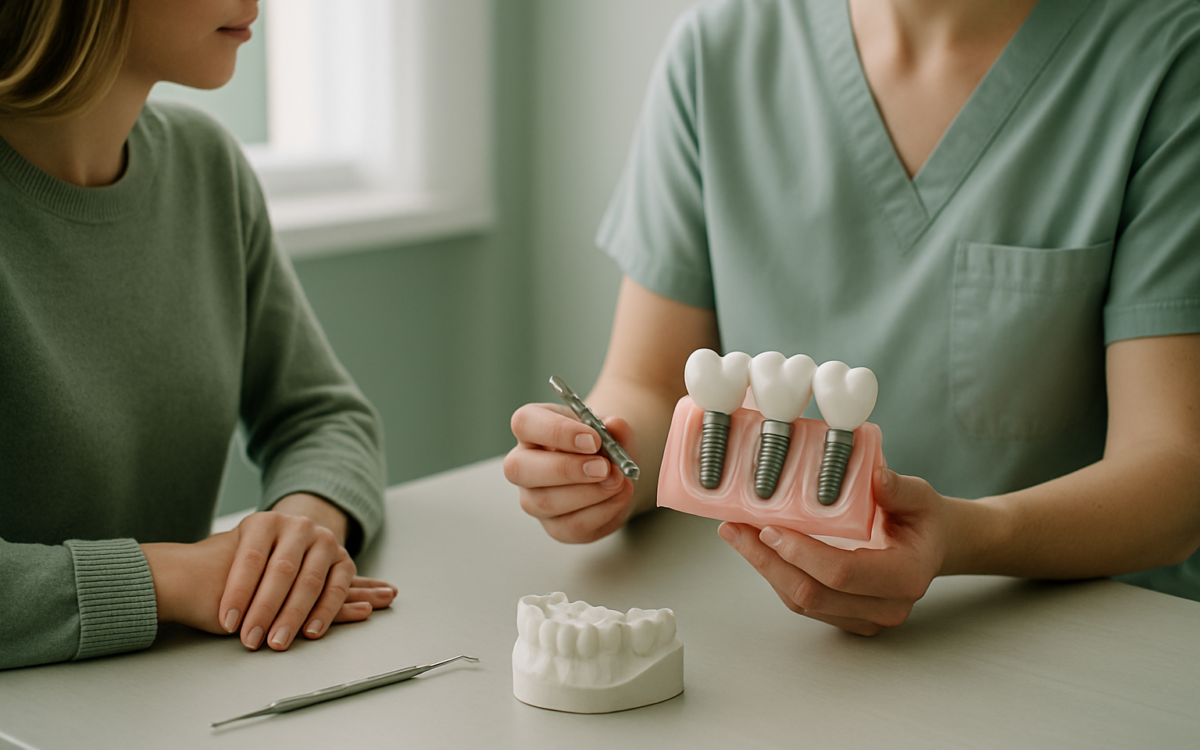
If you’ve lost a tooth or two, the thought of getting dental implants might feel overwhelming. But understanding the procedure and benefits of dental implants can help you make an informed decision. This article will guide you through what you need to know about receiving dental implants in a clinic setting, including who should consider them and the care needed afterwards.
What Are Dental Implants?
Dental implants are artificial tooth roots placed into your jawbone to hold a replacement tooth or bridge. They are typically made of titanium, which is well-tolerated by the body. Implants serve as a sturdy foundation for fixed or removable replacement teeth that are designed to blend in with your natural teeth.
Benefits of Dental Implants
Dental implants offer numerous benefits, making them a preferred option for tooth replacement. Here are some compelling reasons to consider them:
- Improved Functionality: Unlike dentures, implants are stable and allow you to eat, speak, and smile without worrying about your teeth shifting.
- Enhanced Aesthetics: Implants look and feel like natural teeth, which can significantly improve your confidence.
- Bone Health: Implants can prevent bone loss that often occurs after tooth loss by stimulating the jawbone, maintaining its density and strength.
- Longevity: With proper care, dental implants can last many years, often a lifetime, making them a cost-effective solution in the long run.
The Dental Implant Procedure
The process of getting dental implants typically involves several steps, sometimes spread out over a few months:
1. Initial Consultation
Your journey begins with a thorough examination of your teeth and gums. Your dentist will take X-rays and develop a treatment plan tailored to your needs.
2. Implant Placement
The implant surgery involves placing the titanium post into the jawbone, under local anesthesia. It may require stitches to close the gum tissue. The post will fuse with the bone over the coming months in a process called osseointegration.
3. Abutment Placement
Once healed, a small connector called an abutment is placed on the implant. This component will hold the artificial tooth.
4. Placement of the Crown
Finally, a custom-made crown is placed on the abutment, completing the restoration process. Your dentist ensures that it matches your surrounding teeth for a natural appearance.
Caring for Your Dental Implants
<pTaking care of your dental implants is comparable to caring for natural teeth. Here are some tips:
- Practice Good Oral Hygiene: Brush and floss regularly to keep your implants and surrounding gums healthy.
- Regular Dental Visits: Routine check-ups will help catch any potential issues early on.
- Avoid Hard Foods: Be cautious with hard foods that can damage the implant or crown.
Potential Risks and Considerations
<pWhile dental implants are generally safe and effective, there can be risks and complications, including:
- Infection: As with any surgery, there is a risk of infection at the implant site.
- Loss of Bone: In some cases, if there is not enough bone density, the implant may fail.
- Damage to Surrounding Structures: Nearby roots or blood vessels may be inadvertently harmed during surgery.
Consulting a qualified dental professional can help mitigate these risks and ensure that your individual needs are addressed.
When to See a Doctor
If you experience discomfort, swelling, or any signs of infection after receiving dental implants, contact your dentist immediately. Additionally, if you have health concerns or questions about the procedure, it’s wise to seek advice from a dental professional prior to surgery.
In conclusion, dental implants can be a transformative solution for those needing tooth replacement. They offer functionality, aesthetic appeal, and longevity. When you’re considering this option, take the time to consult with your clinic to ensure that you fully understand the process and what will work best for your needs.
