
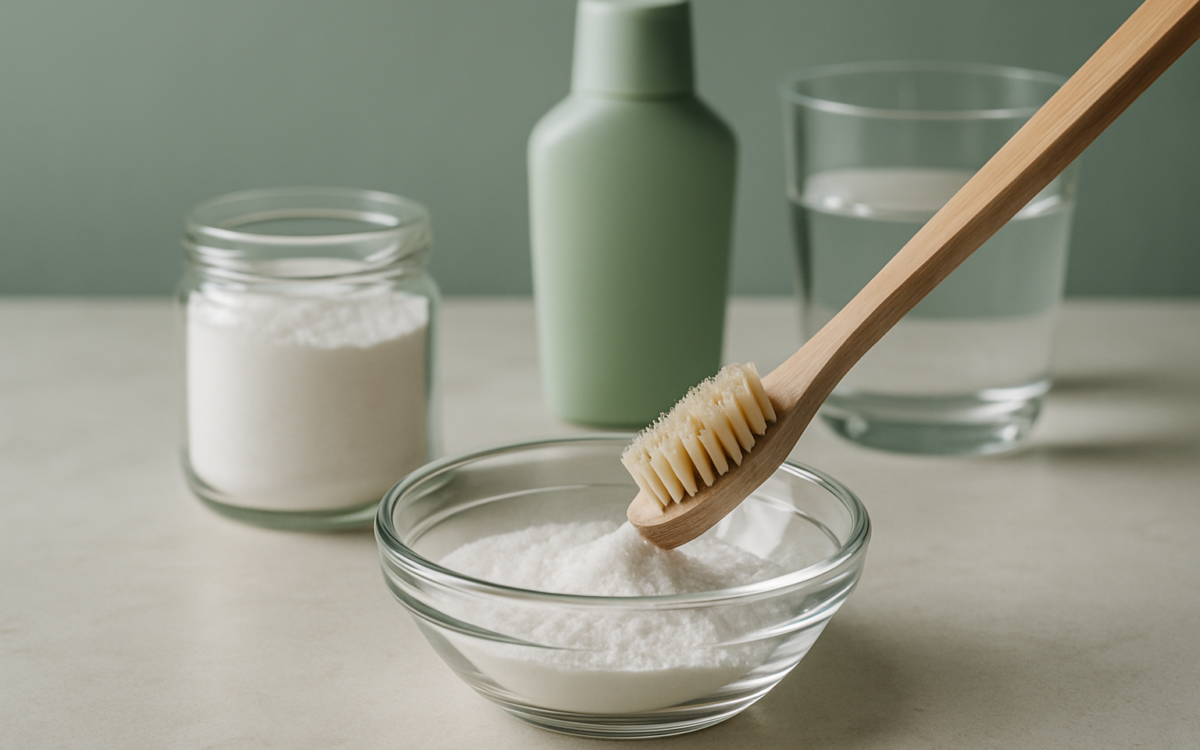
Smiling is one of the simplest ways to share joy, but stained or discolored teeth can sometimes hold us back from showing off those pearly whites. Many people seek effective, affordable, and natural ways to whiten teeth, and baking soda has emerged as a popular option. This humble kitchen staple not only helps with baking but may also brighten your smile. In this article, we’ll explore the properties of baking soda, how to use it for teeth whitening, potential benefits, risks, and when to consult a healthcare professional.
What is Baking Soda?
Baking soda, or sodium bicarbonate, is a mildly alkaline compound that has various applications, from cooking to cleaning. In dental care, it is known for its mild abrasive qualities, which can help remove surface stains on teeth. When mixed with acidic substances, it can react to produce carbon dioxide, leading to fizzing—this reaction can contribute to its effectiveness in cleaning.
How Does Baking Soda Whiten Teeth?
The teeth whitening effect of baking soda primarily comes from its abrasive nature, which helps scrub away plaque and surface stains. Additionally, its alkaline property can neutralize acids in the mouth, providing a less acidic environment that can be less harmful to tooth enamel. Research suggests that abrasive agents like baking soda can be effective in reducing extrinsic stains on teeth, such as those from coffee, tea, or tobacco (NIH).
How to Use Baking Soda for Teeth Whitening
If you’re considering adding baking soda to your oral hygiene routine, here are a few methods to try:
- Baking Soda Paste: Mix about one tablespoon of baking soda with two tablespoons of water to create a paste. Use a toothbrush to apply the paste to your teeth. Gently brush for about 1-2 minutes, then rinse thoroughly with water.
- Baking Soda and Lemon Juice: Combine baking soda with a small amount of fresh lemon juice to form a paste. While lemon juice can enhance whitening due to its acidity, be cautious as it can erode tooth enamel over time.
Use this method sparingly, ideally no more than once or twice a month. - Baking Soda Toothpaste: Some commercial toothpaste brands include baking soda as an ingredient. Using these products can provide the whitening benefits of baking soda while ensuring a balanced formulation that protects enamel.
Benefits of Baking Soda for Teeth Whitening
Baking soda offers several benefits when it comes to teeth whitening:
- Cost-effective: Baking soda is inexpensive and can be found in most households, making it an accessible option for many.
- Easy to Use: Many methods of using baking soda for teeth whitening are straightforward and can be done at home without special tools or treatments.
- Mild Abrasive Properties: For those looking for a gentle way to reduce surface stains, baking soda provides mild abrasion without being overly harsh on enamel.
Potential Risks and Considerations
While baking soda is generally safe for use in moderation, there are some important considerations:
- Enamel Erosion: Although baking soda is less abrasive than some commercial whitening products, frequent use can still contribute to enamel erosion. It is crucial to avoid overuse and consult your dentist if you’re unsure.
- Increased Tooth Sensitivity: Some people may experience increased sensitivity when using baking soda, particularly if they have existing enamel erosion or gum issues.
- Not a Substitute for Regular Dental Care: While baking soda can assist in whitening teeth, it should not replace regular dental hygiene practices like brushing with fluoride toothpaste and visiting the dentist.
When to See a Doctor
If you find that your teeth remain discolored despite attempts to whiten them or if you experience significant tooth sensitivity or discomfort following the use of baking soda, it’s a good idea to consult a dentist. A dental professional can help determine any underlying issues contributing to tooth discoloration and provide tailored solutions for whitening.
Conclusion
Baking soda has established itself as a popular and natural ingredient for those looking to brighten their smile. Its mild abrasive properties can effectively remove surface stains while being cost-effective and easy to use. Always remember to proceed with caution, avoid overuse, and maintain regular dental care to protect your enamel and oral health. If you’re uncertain about how baking soda may affect your teeth, a conversation with your dentist can provide valuable insight and guidance.
