
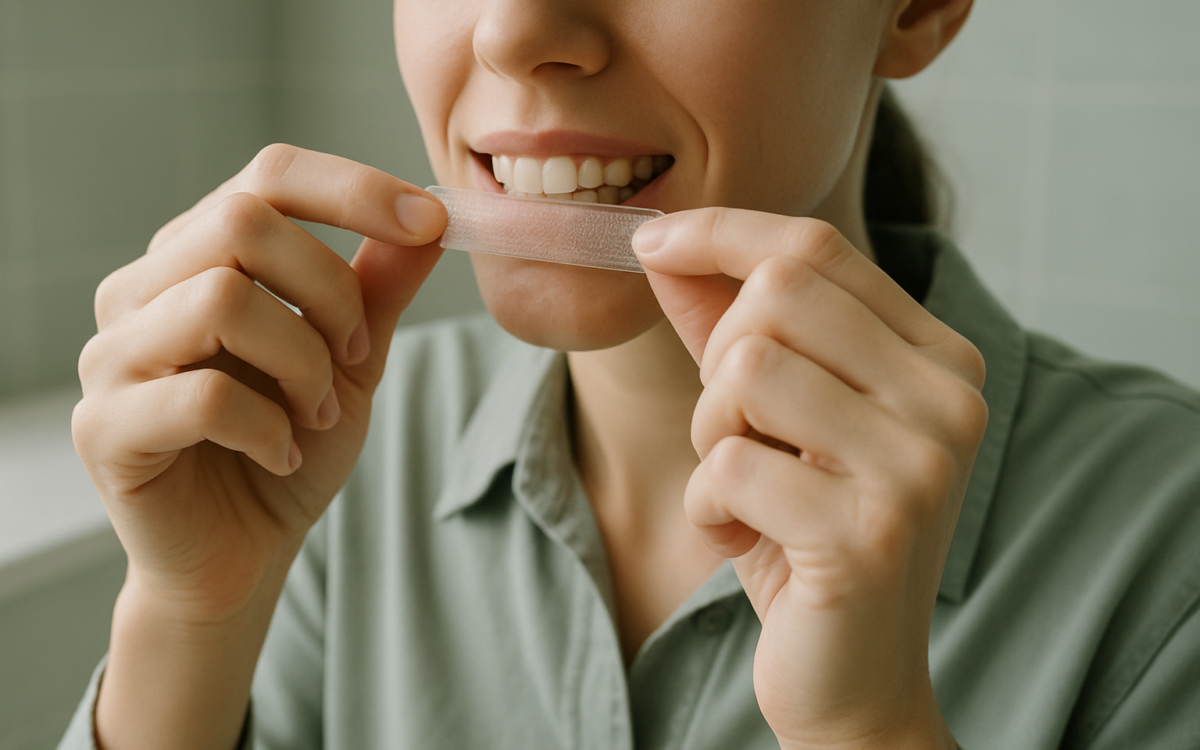
Having a bright, white smile can boost your confidence and improve your overall appearance. Many people turn to bleaching teeth strips as a popular method for achieving that coveted glow. These strips are convenient, easy to use, and can often yield quick results. In this article, we’ll explore what bleaching teeth strips are, how they work, their benefits and drawbacks, and important safety tips.
What Are Bleaching Teeth Strips?
Bleaching teeth strips, commonly known as whitening strips, are thin plastic strips coated with a gel that contains a bleaching agent, usually hydrogen peroxide or carbamide peroxide. These agents are effective at breaking down stains on teeth. The strips typically adhere to the teeth and are worn for a specified amount of time, usually between 30 minutes to an hour, depending on the product.
How Do They Work?
The active ingredients in these strips penetrate the enamel of the teeth and begin to break down stained molecules. This process lightens the color of the teeth and helps remove surface stains caused by coffee, tea, wine, smoking, and other factors. Most products recommend using the strips daily for a set duration, usually about a week or two, to achieve optimal results.
Benefits of Using Bleaching Teeth Strips
- Convenience: Whitening strips can be used at home without needing professional dental visits, making them accessible for many people.
- Effectiveness: Many users report noticeable results after just a few uses, making them a quick solution for dull smiles.
- Affordability: Compared to professional whitening treatments, strips are often budget-friendly.
- Variety: There are many brands and formulations available, allowing you to choose one that fits your needs and preferences.
Potential Drawbacks
While bleaching teeth strips offer many advantages, there are some drawbacks to consider:
- Tooth Sensitivity: Some people experience increased tooth sensitivity during or after using whitening strips due to the active ingredients.
- Gum Irritation: If the strips come into contact with gums, they can cause irritation or discomfort.
- Variable Results: Results can vary significantly depending on the individual’s dental health, the type of stains present, and how consistently the strips are used.
Safety and Precautions
While many people find success with whitening strips, it’s essential to use them safely. Here are some tips:
- Read Labels: Always follow the instructions provided on the packaging. Different products may require different usage times and frequencies.
- Consult Your Dentist: Before starting any whitening treatment, consult your dentist, especially if you have sensitive teeth, dental work, or existing oral health issues.
- Watch Your Diet: After using whitening strips, avoid foods and beverages that could stain your teeth, such as coffee or red wine, for at least 24 hours.
International Perspectives on Teeth Bleaching
Many people seek dental treatments, including teeth whitening solutions, from international clinics. Some countries offer advanced technologies and treatments that can enhance the whitening process further. For example, clinics like those listed on acibademinternational.com provide a range of options for those looking for faster and possibly more effective treatment methods. If you’re considering international dental care, ensure to research thoroughly and choose a reputable clinic.
When to See a Doctor
If you experience prolonged sensitivity, severe gum irritation, or any unusual symptoms while using bleaching teeth strips, it’s wise to consult a healthcare professional. Your dentist can assess your oral health and recommend alternative whitening options if necessary.
Conclusion
Bleaching teeth strips can be an effective and convenient choice for those looking to brighten their smile at home. While they offer various benefits, it’s crucial to use them safely and be aware of potential side effects. With proper care and consultation, you can achieve the sparkling smile you desire.
