
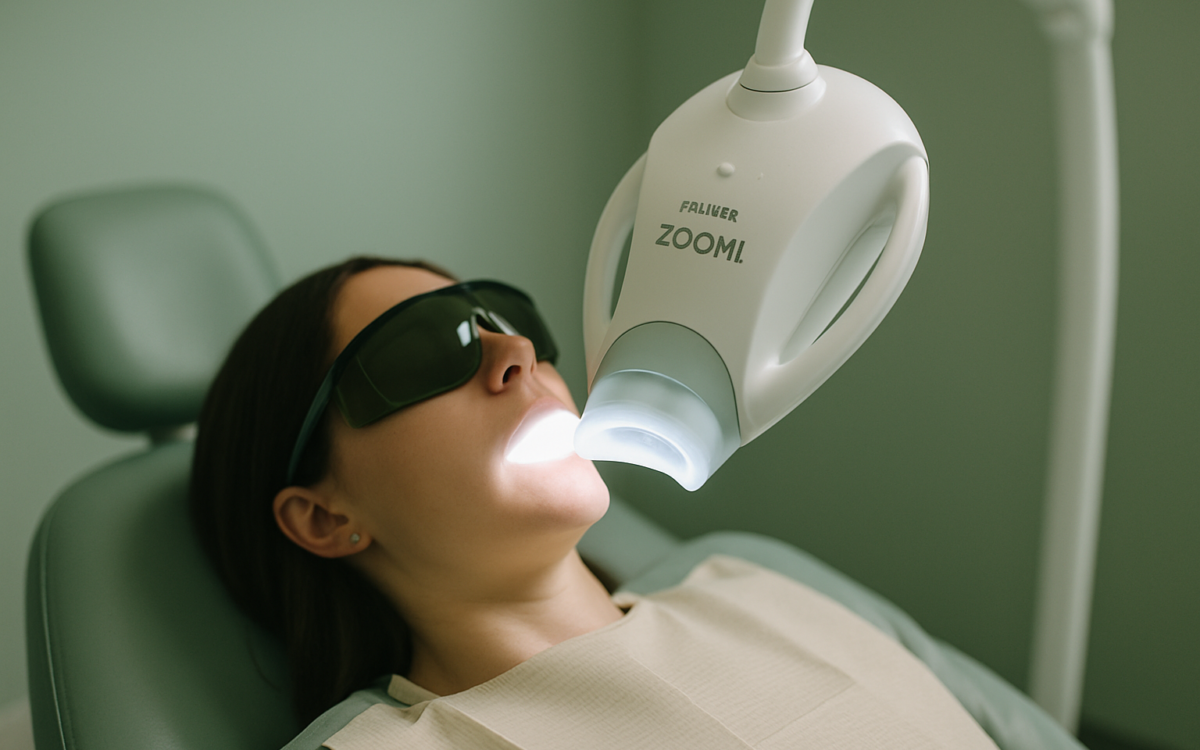
Everyone wants a bright, white smile. It not only boosts confidence but also enhances first impressions. One of the most popular solutions for teeth whitening is Philips Zoom. This article explores what Philips Zoom teeth whitening is, how it works, and what to consider before diving into treatment.
What is Philips Zoom Teeth Whitening?
Philips Zoom refers to a professional teeth whitening system that is commonly used in dental offices. It is designed to lighten teeth and combat discoloration caused by various factors such as aging, smoking, certain medications, and dietary choices. The treatment is known for its effectiveness and speed, often yielding noticeable results after just one session.
How Does Philips Zoom Work?
The Philips Zoom whitening procedure typically takes place in a dental office and involves a few key steps:
- Consultation: Before the treatment, your dentist will assess your teeth and gums to ensure you are a good candidate for whitening.
- Preparation: Your dentist will clean your teeth and may apply a protective gel to your gums to minimize sensitivity.
- Application of Whitening Gel: A hydrogen peroxide-based gel is applied to the teeth.
- Light Activation: The gel is then activated using a special light, which helps to enhance the whitening effect.
- Final Rinse: After the recommended time, the gel is removed, and your teeth are rinsed, revealing a brighter smile.
Benefits of Choosing Philips Zoom
There are several advantages to opting for Philips Zoom teeth whitening:
- Quick Results: Many patients see a difference in just one visit, making it a time-efficient solution.
- Safe and Effective: The procedure is performed by a dental professional, ensuring safety and efficacy.
- Customizable Options: Your dentist can adjust the treatment based on your specific needs, such as the desired level of whiteness or addressing sensitivity.
What to Expect After Treatment
After undergoing the Philips Zoom treatment, there are a few things to keep in mind:
- Whitening Longevity: The effects can last for several months, but this varies depending on individual habits like eating, drinking, and smoking.
- Sensitivity: Some patients experience temporary sensitivity in their teeth and gums after treatment. This usually subsides within a few days.
- Follow Up Care: Maintaining dental hygiene is crucial. Regular brushing, flossing, and dental check-ups can help prolong the results.
Comparing Philips Zoom with Other Whitening Options
While Philips Zoom is a powerful option, it’s important to consider how it compares to other whitening methods:
- At-home Kits: Although they may be convenient, at-home kits often take longer to show results and may not be as effective as professional treatments.
- Whitening Toothpaste: These products can help remove surface stains but might not provide significant whitening.
- Other Professional Treatments: Other professional whitening systems exist, offering varied formulations and methods. Consulting your dentist can help you decide which is best for your needs.
Potential Risks and Considerations
Even with its popularity, it is important to acknowledge some potential downsides:
- Tooth Sensitivity: Some individuals may experience heightened sensitivity post-treatment, particularly those with pre-existing conditions.
- Gum Irritation: Overexposure to the whitening gel can irritate the gums, so following dental professional instructions is crucial.
- Not for Everyone: Pregnant individuals or those with certain dental conditions may need to avoid whitening treatments. Consultation is key.
When to See a Doctor
If you have concerns about teeth whitening effects or experience persistent sensitivity or discomfort following the procedure, it is important to seek guidance from your dentist. They can address any issues and recommend appropriate solutions.
Conclusion
Philips Zoom teeth whitening offers an effective way to enhance your smile safely and quickly. Understanding the process, benefits, and considerations can help you make an informed decision about whether this treatment is right for you. Always consult with a dental professional to tailor the approach that best suits your oral health needs.
