
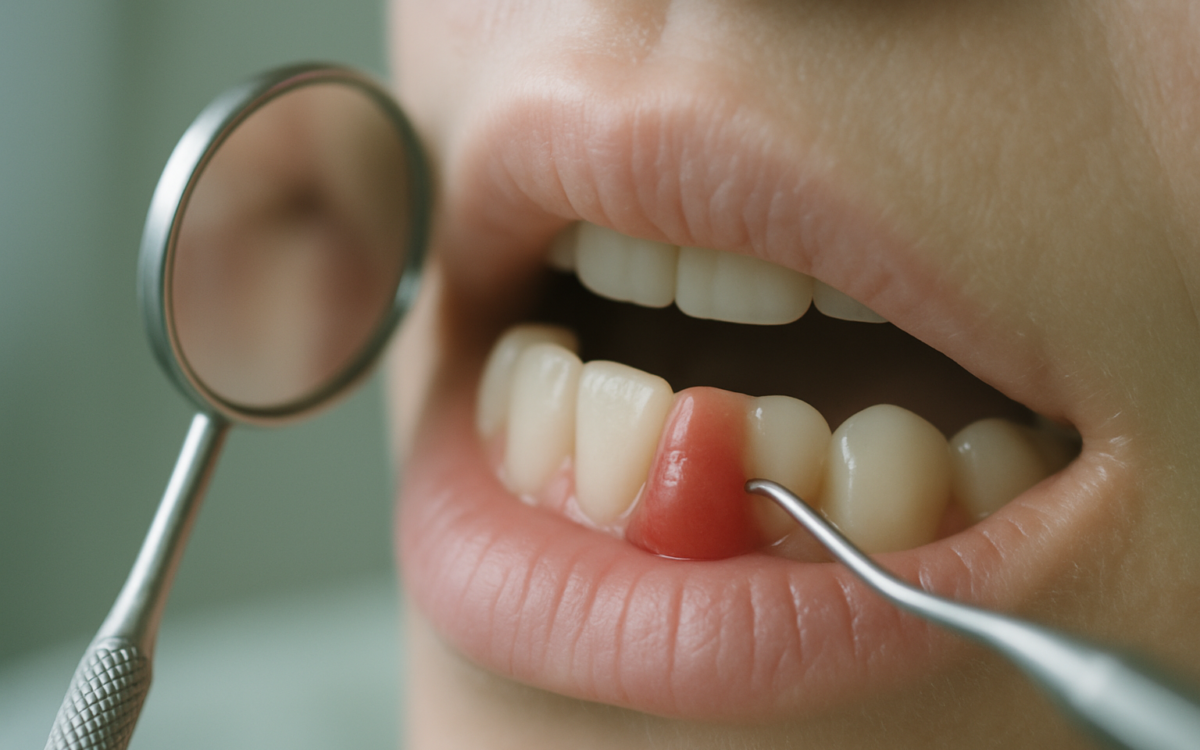
If you’ve ever experienced puffy gums around one tooth, you know how uncomfortable and concerning it can be. This condition often raises questions about its causes and potential treatments. Understanding why your gums may be swollen can help you take steps towards better oral health and peace of mind.
What Causes Puffy Gums?
Puffy gums can occur due to a variety of reasons. The most common cause is gum disease, which can range from mild gingivitis to more severe forms like periodontitis. Here are some potential causes:
- Plaque buildup: When plaque, a sticky film of bacteria, accumulates on your teeth, it can irritate the gums, leading to swelling.
- Infection: Tooth infections or abscesses can cause localized swelling in the gums around the affected tooth.
- Hormonal changes: Fluctuations in hormones during puberty, menstruation, or pregnancy can increase gum sensitivity, making them more prone to swelling.
- Allergic reactions: Allergies to dental products, such as toothpaste or mouthwash, can lead to gum inflammation.
- Tobacco use: Smoking or using tobacco products can impair gum health and contribute to swelling.
Signs and Symptoms to Watch For
Puffy gums around one tooth may present in various ways. Identifying accompanying symptoms can help you determine the severity of the issue:
- Redness: Inflamed gums often appear red or darker than healthy gum tissue.
- Pain or discomfort: You may feel sensitivity or pain when chewing or brushing the affected area.
- Bleeding: If your gums bleed when you brush your teeth or floss, it could indicate gum disease.
- Bad breath: Persistent bad breath, even after brushing, may suggest an underlying infection or gum issue.
Potential Treatments at Home
If your puffy gums are mild and not accompanied by severe symptoms, there are effective home remedies you can try:
- Saltwater rinse: A warm saltwater rinse can help reduce inflammation. Simply mix half a teaspoon of salt in a glass of warm water and swish it in your mouth.
- Good oral hygiene: Brush and floss regularly to remove plaque and food particles that can irritate the gums.
- Aloe vera gel: Applied topically, aloe vera can soothe irritated gums and may reduce swelling.
However, these remedies may not be sufficient for treating more serious conditions. If you continue to experience issues, consulting a dental professional is essential.
When to See a Dentist
While home care can be effective for minor issues, it’s important to recognize when to seek professional help. Consider seeing a dentist if:
- The puffy gums persist for more than a few days.
- You experience severe pain or discomfort.
- There is a noticeable change in the color or texture of your gums.
- Persistent bad breath or an unpleasant taste in your mouth accompanies your symptoms.
A thorough dental examination can help determine the underlying cause of your swollen gums and guide you towards appropriate treatment options.
International Perspectives on Treatment
If you’re considering treatment options abroad, many countries offer advanced dental care. For instance, treatment in Turkey has gained popularity for its affordability and quality, attracting patients from around the world. Procedures ranging from simple cleanings to complex surgeries can be performed by skilled professionals.
Prevention Tips for Healthy Gums
To avoid encountering puffy gums in the future, adopting good oral hygiene practices is crucial:
- Regular dental check-ups: Visiting your dentist every six months can help catch problems early.
- Brush and floss daily: Remove plaque and food particles by brushing twice a day and flossing at least once.
- Use an antibacterial mouthwash: This can help reduce plaque buildup and fight bacteria that cause gum disease.
- Eat a balanced diet: Foods high in vitamins and minerals, particularly vitamin C, can support gum health.
Conclusion
Puffy gums around one tooth can signal various underlying issues, from simple irritation to more serious dental problems. Keeping a close eye on your oral health and knowing when to seek help is essential for maintaining a healthy smile. If you have concerns about swollen gums, don’t hesitate to reach out to your dentist for personalized advice and care.
