
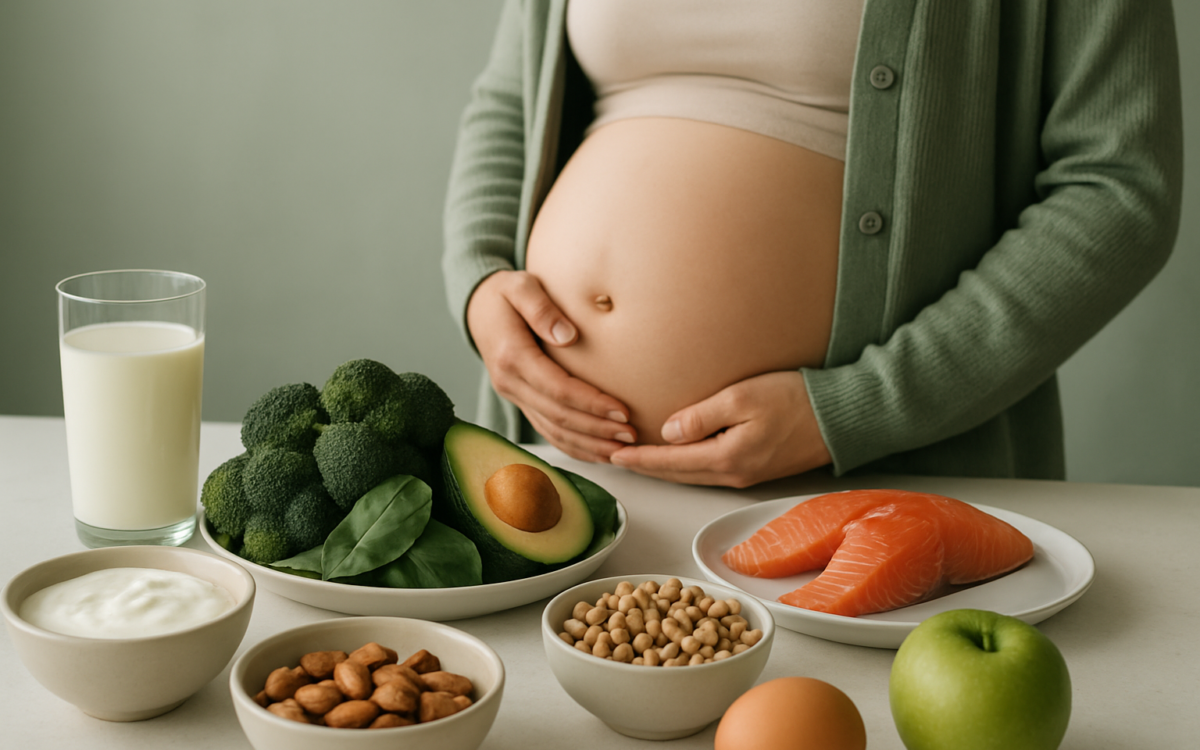
Pregnancy is a beautiful journey filled with excitement and changes. Eating the right foods during this time is essential for both the mother and developing baby. Proper nutrition not only sustains the mother’s health but also supports the baby’s growth and development. In this article, we will explore some of the best foods for pregnancy that can help ensure a healthy outcome.
Whole Grains for Energy and Fiber
Whole grains are an excellent source of energy, which is crucial during pregnancy. Foods like brown rice, quinoa, oats, and whole-wheat bread provide essential carbohydrates to fuel your body.
Whole grains are also rich in fiber, which can help prevent constipation—a common issue during pregnancy. Additionally, they offer vital nutrients such as B vitamins, iron, and magnesium. Incorporating these into your daily meals can contribute positively to your overall health during pregnancy.
Fruits and Vegetables for Vitamins and Minerals
Fruits and vegetables are packed with vital vitamins, minerals, and antioxidants necessary for both the mother and the growing baby. Leafy greens, such as spinach and kale, are high in folate, which is important for fetal development and preventing neural tube defects. Asparagus and broccoli also provide important nutrients.
Citrus fruits like oranges, lemons, and grapefruits are rich in vitamin C, which aids in iron absorption and helps maintain a healthy immune system. Berries are also a great option, packed with antioxidants and fiber. Aim to fill half your plate with fruits and vegetables at every meal.
Lean Proteins for Growth
Protein is vital for the growth and development of fetal tissues, including the brain and muscles. Lean protein sources like chicken, turkey, fish, beans, lentils, and eggs should be included in your diet. These foods provide essential amino acids that are crucial for both the mother and baby.
It’s important to choose fish wisely, opting for those lower in mercury, such as salmon, sardines, and trout, while avoiding high-mercury fish like shark and swordfish. Additionally, eggs are an excellent source of protein and choline, which is important for brain development.
Dairy for Calcium and Vitamin D
Dairy products are rich in calcium, which is essential for the development of the baby’s bones and teeth. Foods like milk, yogurt, and cheese should be included in daily meals. If you’re lactose intolerant or prefer non-dairy options, fortified almond milk or soy milk can provide similar benefits.
Vitamin D is also crucial during pregnancy, as it helps the body absorb calcium. Many dairy products are fortified with vitamin D, which can support both maternal and fetal bone health.
Nuts and Seeds for Healthy Fats
Nuts and seeds are packed with healthy fats, protein, vitamins, and minerals, making them a great addition to a pregnancy diet. Walnuts, flaxseeds, and chia seeds provide valuable omega-3 fatty acids, which are important for brain development.
Almonds and sunflower seeds are great sources of vitamin E, which can help protect cells from damage. Enjoy a handful as a snack, sprinkle them on salads, or incorporate them into smoothies for an easy health boost.
Hydration and Healthy Beverages
Staying hydrated is always important, but during pregnancy, it becomes even more critical. Drinking plenty of water helps support increased blood volume and assists in nutrient transport. Aim for at least eight 8-ounce glasses of water a day.
Herbal teas can be a great way to hydrate as well, but it’s best to consult with your doctor regarding which types are safe during pregnancy. Additionally, consider incorporating smoothies made with fruits, vegetables, and yogurt for an extra nutrient boost while staying hydrated.
When to See a Doctor
If you have concerns about your diet, nutrition, or how to manage specific cravings, consulting your doctor or a registered dietitian can provide personalized guidance tailored to your needs. They can help ensure that you and your baby are getting all the nutrients you need during this important time.
In conclusion, focusing on a balanced diet enriched with a variety of whole grains, fruits, vegetables, lean proteins, dairy, and healthy fats can provide the foundation for a healthy pregnancy. As you embark on this journey, remember to check in with your healthcare provider to ensure you are following a nourishing and safe eating plan for you and your baby.
