
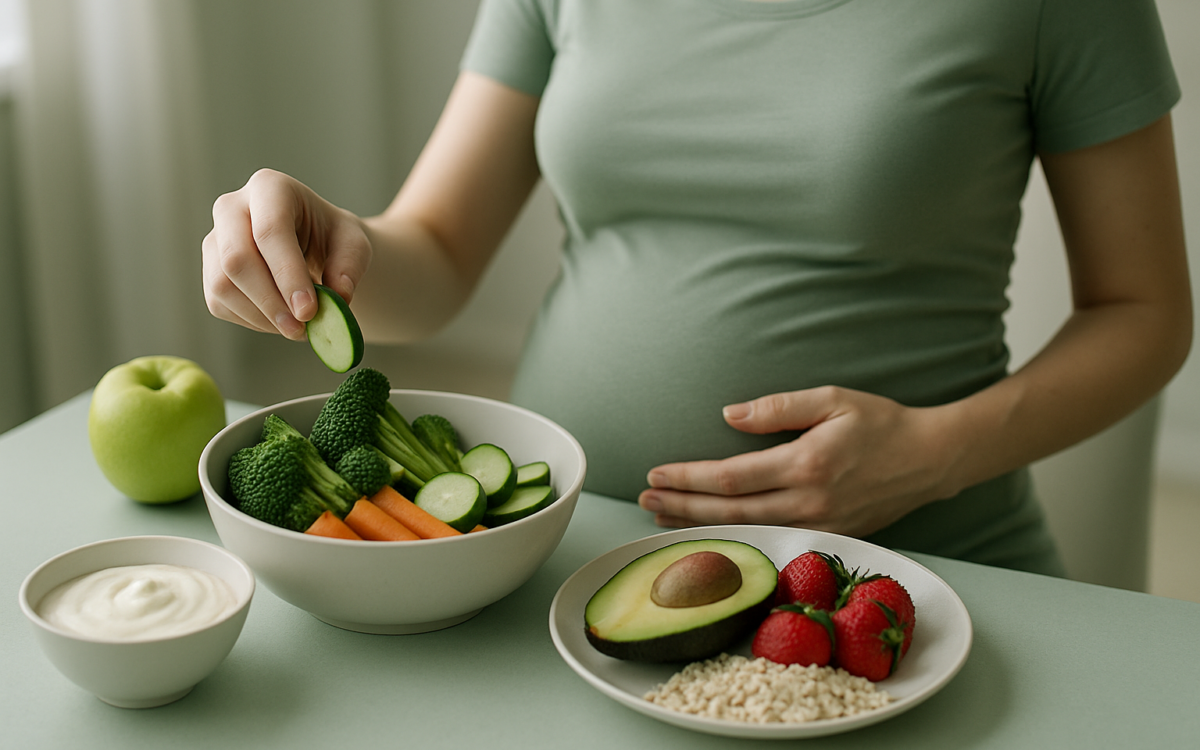
Pregnancy is a remarkable journey, filled with excitement and anticipation. As a pregnant woman, the food you choose plays an essential role in both your health and the development of your baby. The right nutrition supports the body’s needs, prepares for labor, and helps your baby grow strong. Here’s a closer look at the foods that are vital during this transformative time.
Fruits and Vegetables: Colorful Powerhouses
Fruits and vegetables should be at the top of your pregnancy diet list. They are packed with essential vitamins, minerals, and fiber, which are crucial for both your health and your baby’s development.
- Citrus fruits: Oranges, lemons, and grapefruits are high in vitamin C, which helps in the absorption of iron and supports the immune system.
- Berries: Strawberries, blueberries, and raspberries provide antioxidants and fiber, important for digestion.
- Leafy greens: Spinach, kale, and broccoli are great sources of folate, a vital nutrient that helps prevent neural tube defects.
Eating a variety of these fruits and vegetables not only meets your nutritional needs but also keeps meals interesting and flavorful.
Proteins: Building Blocks for Growing Babies
Protein is vital during pregnancy as it helps in the development of your baby’s organs and tissues. Aim for a mix of high-quality protein sources.
- Lean meats: Chicken, turkey, and lean cuts of beef are excellent sources of protein and iron, which is crucial to prevent anemia.
- Fish: Incorporate fish rich in Omega-3 fatty acids, such as salmon and sardines, which support brain development. Limit high-mercury fish while pregnant, such as shark and swordfish.
- Plant-based proteins: Beans, lentils, and tofu are great plant sources of protein and are high in fiber and nutrients.
Including a variety of protein sources can help meet the increased demands of your body during pregnancy.
Whole Grains: Energy and Fiber
Whole grains provide essential carbohydrates that are the body’s primary energy source, especially important as your body works hard to nourish your baby.
- Brown rice: A complex carbohydrate that provides energy and keeps blood sugar levels steady.
- Whole grain bread: It contains fiber that aids digestion and helps prevent constipation, a common issue during pregnancy.
- Oats: Rich in iron and fiber, oats can be a hearty start to your day.
Dairy: Building Strong Bones
Calcium is essential for your baby’s developing bones and teeth. Dairy products are an excellent source of calcium, as well as protein and vitamins.
- Milk: Fortified milk provides calcium and vitamin D, essential for bone health.
- Yogurt: Full of probiotics, yogurt aids in digestion and is rich in calcium and protein.
- Cheese: Cheese can be a great snack option, providing calcium and protein without being too heavy.
Healthy Fats: Important for Development
Healthy fats are vital during pregnancy, as they support the development of your baby’s brain and nervous system.
- Avocados: Packed with monounsaturated fats, avocados also provide potassium and folate.
- Nuts and seeds: Almonds, walnuts, and chia seeds are great sources of healthy fats, protein, and essential vitamins.
- Olive oil: A staple in healthy cooking, olive oil contains monounsaturated fats that are beneficial for heart health.
When exploring your options for healthy fats, consider international choices as well. For mothers seeking specialized nutrition, exploring treatment in Turkey can offer unique dietary advice tailored to various cultural practices.
Hydration: A Key Component
Staying hydrated is another crucial aspect of a healthy pregnancy. Water supports digestion and nutrient absorption. Aim to drink enough fluids throughout the day, especially if you’re experiencing morning sickness.
- Water: Always the best choice to quench your thirst.
- Herbal teas: Ginger tea can be soothing for nausea, but check with your doctor about which herbal teas are safe.
- Fresh juices: Opt for juice with no added sugar, but remember to enjoy it in moderation due to natural sugars.
When to See a Doctor
If you have dietary restrictions, allergies, or ongoing health concerns, it’s essential to consult your healthcare provider. It’s particularly important to discuss your diet if you experience severe morning sickness or have trouble maintaining a balanced diet.
Conclusion
Choosing the right foods during pregnancy can significantly impact your health and your baby’s development. Focusing on a well-rounded diet rich in fruits, vegetables, proteins, whole grains, dairy, and healthy fats sets the stage for a healthy pregnancy journey. Remember, every pregnancy is unique, so it’s always best to discuss your diet with your healthcare provider to ensure you’re meeting all your nutritional needs.
