
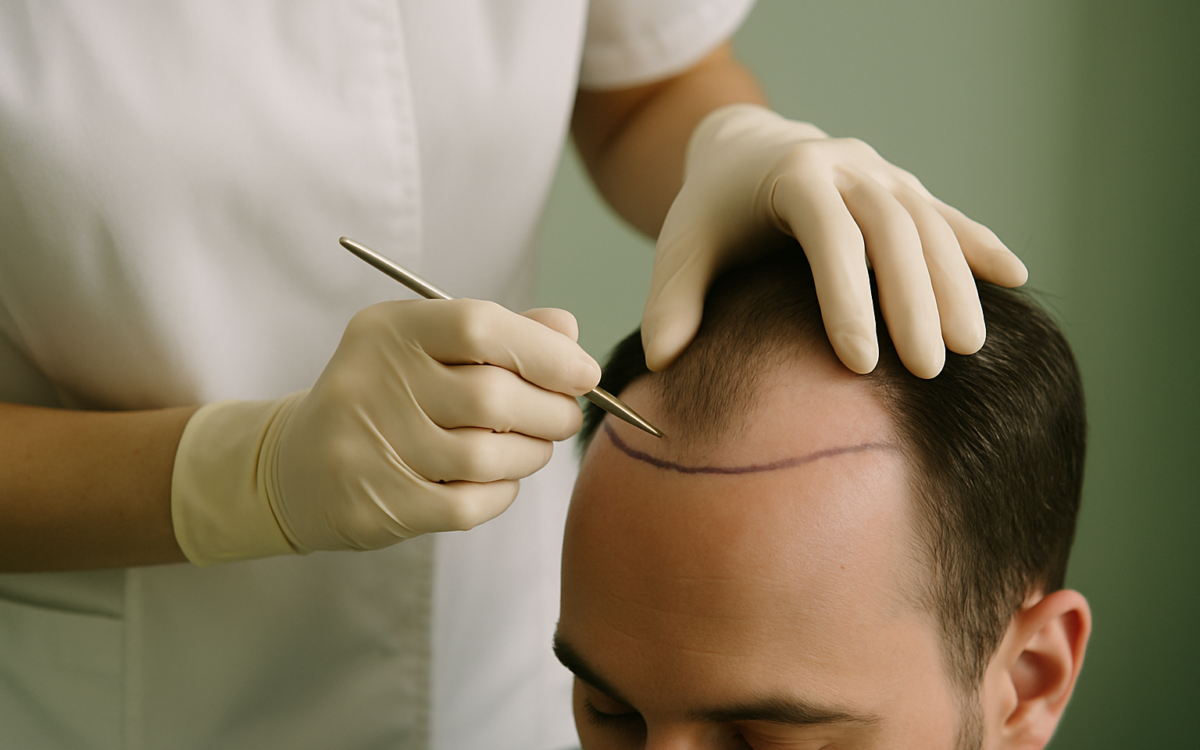
As we age, many of us may notice our hairline receding or thinning. Whether this change is driven by genetics, stress, or other factors, it can affect self-esteem. One popular solution is a hairline transplant. This procedure can help restore a youthful appearance and boost confidence. Let’s dive into what hairline transplants entail, their benefits, and what to expect.
Understanding Hairline Transplants
A hairline transplant is a surgical procedure that involves moving hair follicles from one part of the body to the thinning or balding areas. This procedure primarily targets the front hairline, which is often the most visible area of hair loss. While many people may first consider over-the-counter treatments or medications, some may decide to pursue more permanent solutions through hair transplantation.
Types of Hairline Transplants
Two common methods for hairline transplants are Follicular Unit Extraction (FUE) and Follicular Unit Transplantation (FUT). Understanding these can help you make an informed decision.
Follicular Unit Extraction (FUE)
This technique involves extracting individual hair follicles from a donor area, typically the back of the head, and implanting them in the desired area. FUE is less invasive than FUT, resulting in minimal scarring and a quicker recovery time. However, the process can take longer because each follicle is extracted individually.
Follicular Unit Transplantation (FUT)
In contrast, FUT involves removing a strip of skin with hair follicles from the donor site. The strip is then divided into smaller units of hair, which are implanted into the thinning area. While this method can yield a larger number of grafts in one surgery, it often results in a linear scar, which may be more noticeable for some patients.
Benefits of Hairline Transplants
The primary benefit of hairline transplants is the restoration of a fuller hairline, which can improve self-image and confidence. Many patients report feeling happier and more satisfied with their appearance following the procedure. Additionally, the transplanted hair is permanent, as it is taken from areas of the scalp resistant to balding.
Moreover, hairline transplants can allow for customized results, as surgeons can design the hairline to suit the patient’s unique facial features. This tailored approach can make the results appear more natural.
What to Expect During and After the Procedure
The hairline transplant procedure typically takes several hours, depending on the method and the number of grafts needed. Before the procedure, anesthesia will be administered to numb the treatment area. After the hair follicles are implanted, you may experience some redness and swelling, but these symptoms generally resolve in a few days.
Recovery time varies by individual and the techniques used. Most patients can return to light activities within a few days, but it’s essential to follow post-operative care instructions from your surgeon. Avoid strenuous activities for at least two weeks, as these can strain the newly implanted follicles and affect healing.
International Treatment Options for Hairline Transplants
Many people are finding successful hairline transplant procedures abroad, where costs can be significantly lower, and care is often of high quality. International medical trips for hair restoration can offer advantages such as specialized clinics and experienced surgeons. Countries like Turkey, Thailand, and Mexico have become popular destinations for such procedures. If you’re considering this option, it’s essential to research clinics thoroughly and ensure that they adhere to international quality standards. Websites like acibademinternational.com provide valuable information on medical tourism and accredited facilities.
When to See a Doctor
If you are experiencing significant hair loss and are considering a hairline transplant, consulting with a dermatologist or a hair restoration specialist is the next step. They can provide assessments and help determine the ideal approach for your specific situation. Persistent hair loss might also signal underlying health conditions, which could require further evaluation.
Conclusion
A hairline transplant can be a rewarding solution for those struggling with hair loss. By understanding the procedures, benefits, and recovery process, you can make a well-informed decision that aligns with your personal goals. Always consult with a healthcare professional to explore the best options for your needs, as each individual’s situation is unique.
