
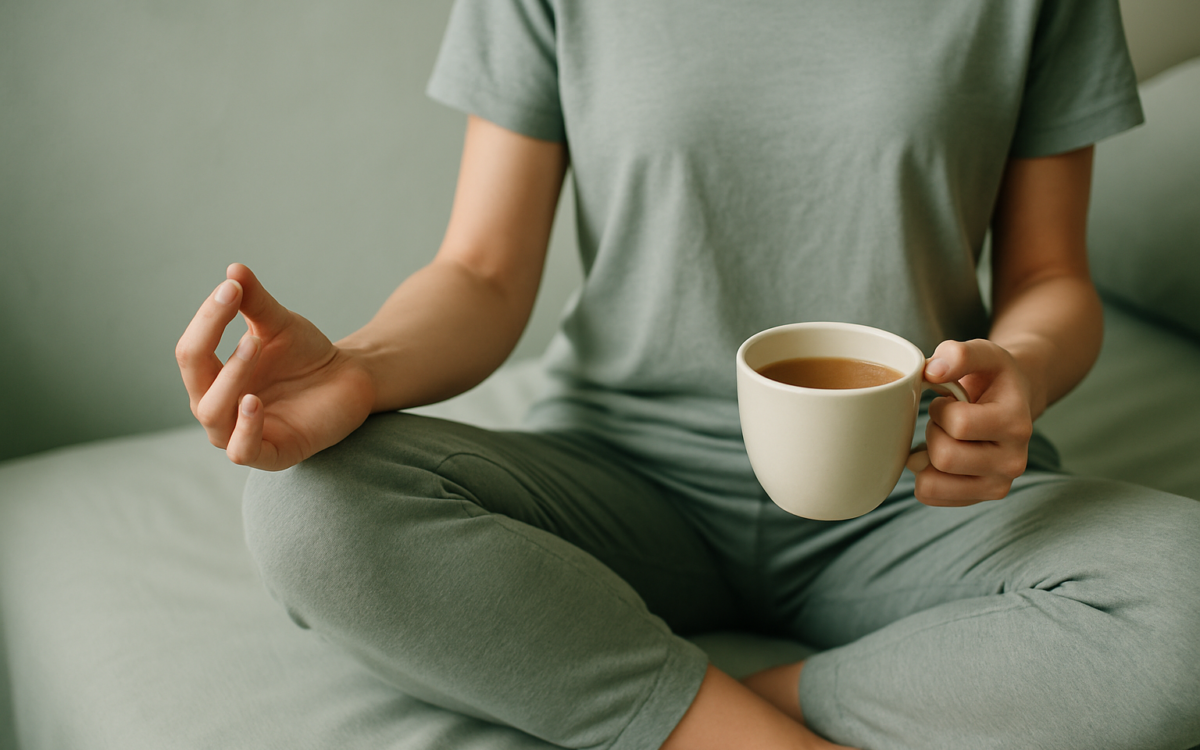
Life can be overwhelming, and stress is something we all face at different times. Whether you’re dealing with work pressure, family commitments, or financial worries, it’s important to find effective ways to manage your stress. While there are many techniques available, finding the right approach for you can make a significant difference. Here, we’ll explore a variety of strategies that can help you regain control and promote your well-being.
Understanding Stress
Stress is your body’s natural response to challenges or demands. It can be caused by a variety of factors, both external and internal. External stressors could be work deadlines, relationship issues, or health concerns, while internal factors often include how we perceive and react to those stressors. Understanding what causes your stress is an essential step in learning how to manage it more effectively.
Embrace Mindfulness and Meditation
Mindfulness and meditation practices are excellent tools for reducing stress. These techniques encourage you to focus on the present moment and cultivate an awareness of your thoughts and feelings without judgment.
Studies have shown that engaging in mindfulness meditation can lead to lower levels of stress and anxiety. To get started, find a quiet space where you won’t be disturbed. Try following these simple steps:
- Set a timer: Begin with just five to ten minutes each day.
- Find a comfortable position: You can sit or lie down; just ensure you are comfortable.
- Focus on your breath: Notice the sensation of each inhale and exhale.
- Allow thoughts to come and go: When other thoughts arise, acknowledge them without judgment, then return your focus to your breath.
For more information about mindfulness techniques, you can check out resources from the National Institutes of Health.
Incorporate Physical Activity
Regular physical activity is a fantastic way to combat stress. Exercise releases endorphins, often known as feel-good hormones, which can improve your mood and overall sense of well-being. You don’t need to commit to a rigorous gym routine; find an activity that you enjoy and make it part of your routine.
Here are some fun ways to stay active:
- Walking or Hiking: Being in nature can be invigorating and calming.
- Yoga: This combines physical movement with mindfulness, promoting relaxation while building strength.
- Dancing: Whether at home or in a class, dancing can lift your spirits and provide a great workout.
The CDC recommends at least 150 minutes of moderate aerobic exercise each week. Tailor this to your own schedule and preferences—what matters most is that you stay active.
Establish Healthy Routines
Having a structured daily routine can create a sense of predictability and control, which can help alleviate stress. Here are some habits to consider incorporating into your daily life:
- Regular Sleep Schedule: Aim for 7-9 hours of sleep each night. Good sleep is essential for stress management.
- Nourish Your Body: A balanced diet rich in fruits, vegetables, lean proteins, and whole grains can boost your energy levels and mood.
- Limit Caffeine and Sugar: These can heighten anxiety levels and interfere with sleep.
Check out the Mayo Clinic for more tips on maintaining a healthy diet.
Connect with Others
You’re not alone in your feelings of stress, and reaching out to friends or family can provide relief. Sharing your thoughts and feelings can lighten your load and might even help you gain a new perspective on your challenges. Consider these strategies:
- Schedule Time with Loved Ones: Regular social interactions can significantly boost your mood.
- Join a Support Group: Engaging with people who understand your challenges can be validating and comforting.
- Volunteer: Helping others not only benefits them but can also reduce your stress levels.
Building strong connections can serve as a buffer against stress. Don’t hesitate to lean on your community when times are tough.
Explore Creative Outlets
Channeling your energy into creative activities can be a powerful stress reliever. Whether it’s painting, writing, gardening, or playing an instrument, expressing yourself creatively can shift your focus from stressors to something enjoyable. Here are some ideas:
- Art and Craft: Engaging in creative projects can be soothing.
- Music Therapy: Listening to music or creating your own can uplift your mood.
- Journaling: Writing about your thoughts and feelings can help clarify what you’re experiencing.
Find a creative outlet that excites you. It doesn’t have to be perfect; the joy comes from the process itself.
When to See a Doctor
If your stress feels overwhelming and these strategies do not provide relief, it may be time to consult a healthcare professional. Signs that you may need additional support include:
- Persistent feelings of sadness or anxiety
- Changes in sleep or appetite
- Difficulty managing daily responsibilities
A healthcare provider can help determine if your situation requires specialized support.
Remember, it’s okay to seek help. Your mental health is just as important as your physical health.
In conclusion, finding effective strategies to manage stress is essential for maintaining a balanced life. By incorporating mindfulness, exercise, healthy habits, social connections, and creative outlets, you can build resilience against everyday challenges. Take it one step at a time, and don’t hesitate to reach out for support when needed.
