
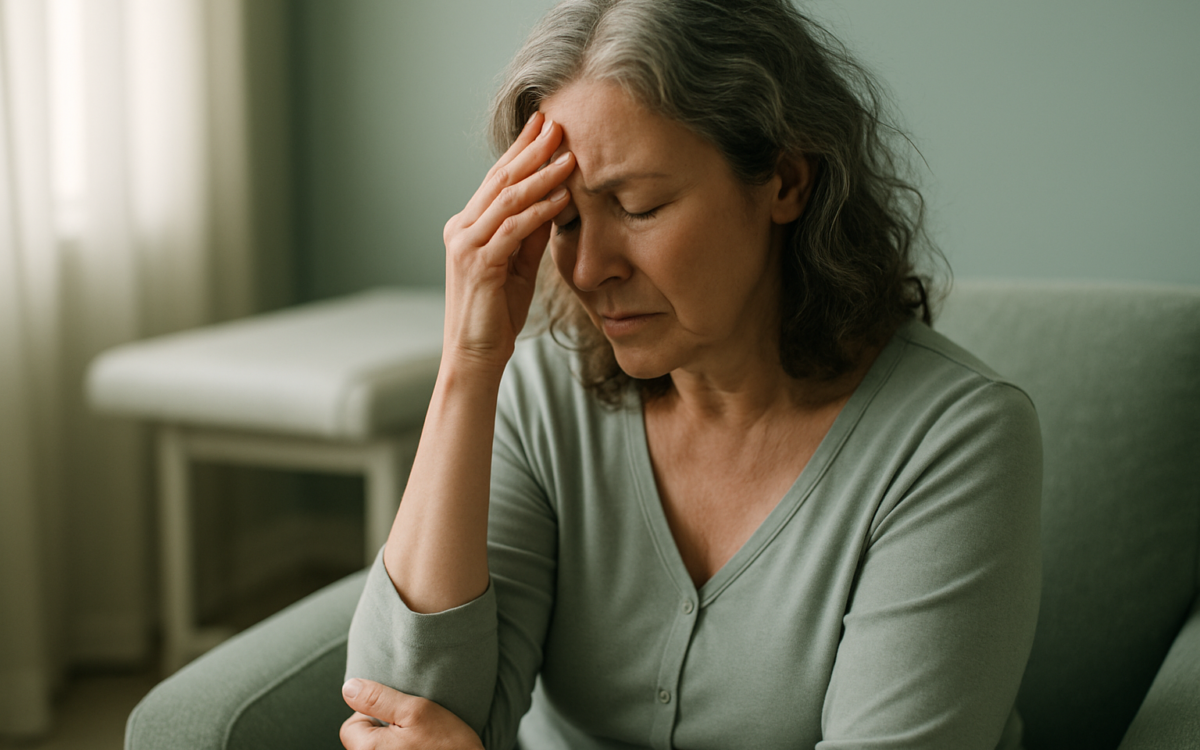
Menopause marks a significant transition in a woman’s life, bringing various physical and emotional changes. As we step into 2026, many women find themselves facing more challenges than ever before during this natural phase. Factors such as societal expectations, healthcare accessibility, and advancements in medical understanding play critical roles in shaping women’s experiences of menopause.
The Changing Landscape of Menopause
Historically, menopause has often been shrouded in stigma, with misinformation surrounding its effects. However, recent studies indicate that women’s awareness and understanding of menopause are increasing. With better education, women are more equipped to navigate this stage of life. Yet, this progress has not come without its complications. Many women report feeling overwhelmed by the physical symptoms and societal pressures that accompany menopause in 2026.
Understanding Menopausal Symptoms
Menopause can bring a host of symptoms that vary widely among women. Common symptoms include:
- Hot flashes and night sweats
- Weight gain and changes in metabolism
- Sleep disturbances
- Mood swings and increased anxiety
- Changes in libido
Research shows that nearly 80% of women experience some form of these symptoms during menopause. In 2026, however, many report experiencing more severe symptoms compared to previous years, possibly due to increased stress levels and lifestyle changes. According to the National Institutes of Health, the context in which women are experiencing menopause can significantly influence how they cope with symptoms.
The Role of Support Systems
Support systems play a vital role in how women manage menopause. In 2026, many women are recognizing the importance of community and shared experiences. Online forums, support groups, and social media platforms provide a space for open discussions about menopause. These communities help reduce feelings of isolation and empower women to seek help. Additionally, healthcare professionals are now placing more emphasis on personalized care strategies to help alleviate the symptoms associated with menopause. Women are encouraged to talk openly with their doctors about their symptoms and concerns.
Hormonal Treatments and Alternatives
Hormone replacement therapy (HRT) has been a common treatment for menopausal symptoms. However, discussions around the risks and benefits of HRT have evolved. New research continues to shed light on alternative treatments, including lifestyle changes, dietary adjustments, and herbal remedies. For many women, a combination of approaches works best. It’s important for women to consult with their healthcare providers to determine which treatment plan aligns with their personal health and lifestyle goals. The Mayo Clinic provides comprehensive information on different treatment options for managing menopause.
The Societal Perspective
As society progresses, conversations around menopause are becoming more visible. Workplace policies increasingly recognize the need for supportive environments for women undergoing menopause. Flexible working arrangements and awareness initiatives are becoming common in many organizations. This shift illustrates a broader cultural change wherein menopause is viewed as a natural part of life rather than a taboo subject.
Future Directions: Empowering Women
Looking ahead, the future of menopause support appears promising. Ongoing research into menopause will continue to enhance our understanding of this life stage, leading to more effective treatments and support systems. Advocacy for women’s health is also gaining momentum, pushing for better resources and education around menopause. Women today have more options than ever before, but the journey is still complex. Staying informed and finding the right support is crucial.
When to See a Doctor
If menopausal symptoms interfere significantly with daily life, it’s important to speak to a doctor. Symptoms such as persistent depression, severe hot flashes, or sudden changes in libido warrant a professional evaluation. Don’t hesitate to reach out for help; your health and well-being are paramount.
In conclusion, while 2026 brings unique challenges for women facing menopause, it also opens doors to conversation, support, and empowerment. Staying informed and utilizing available resources can help women navigate this period with confidence and ease.
