
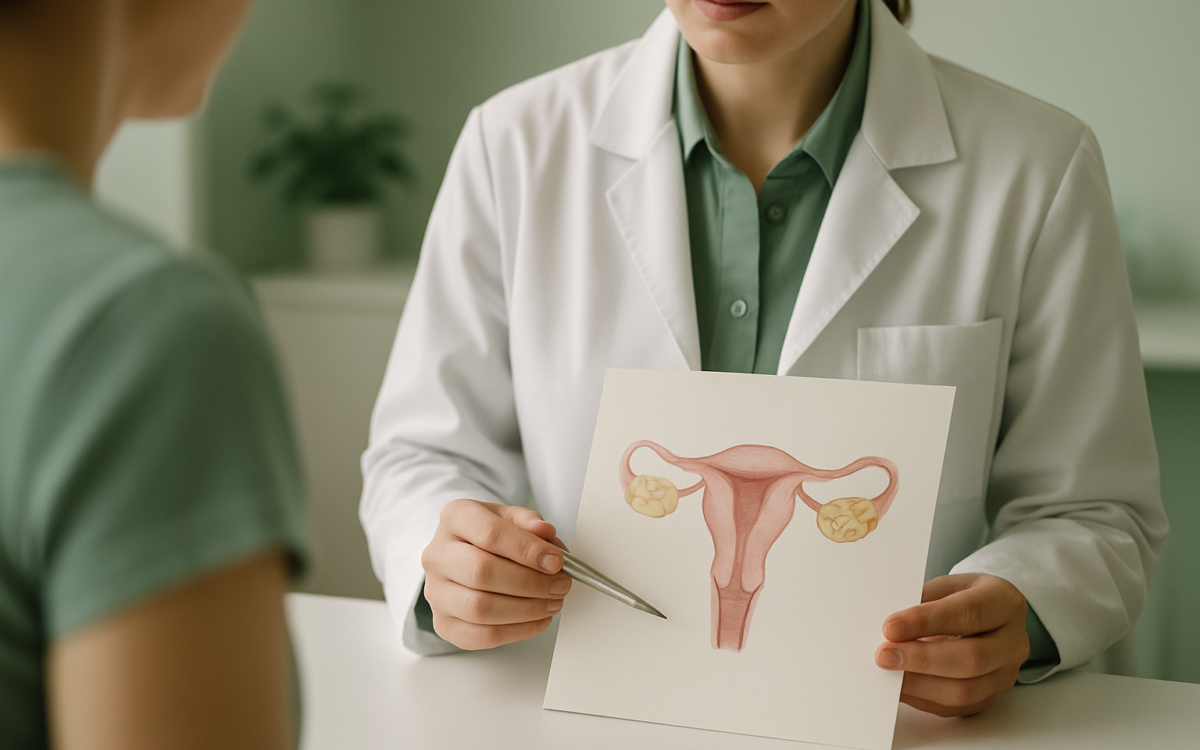
Polycystic ovary syndrome (PCOS) is a common health issue that affects many women of reproductive age. Despite its prevalence, it remains misunderstood. Understanding what PCOS is, its symptoms, and when to consult a gynecologist can empower women to take control of their health.
What Are Polycystic Ovaries?
Polycystic ovaries refer to the presence of multiple cysts on one or both ovaries. In many women, these cysts develop as a result of hormonal imbalances, particularly involving insulin and androgens. This condition falls under the broader category of polycystic ovary syndrome, which is characterized by a range of symptoms.
Common Symptoms of PCOS
Women with PCOS may experience a variety of symptoms, which can sometimes make diagnosis challenging. Understanding these signs can help you identify whether it’s time to seek help from a gynecologist. Common symptoms include:
- Irregular Menstrual Cycles: Periods that are infrequent, irregular, or absent altogether.
- Excess Hair Growth: Increased body hair or facial hair due to elevated androgen levels.
- Acne and Oily Skin: Hormonal changes can lead to skin issues similar to those seen in teenage years.
- Weight Gain: Many women with PCOS struggle with weight, particularly around the abdomen.
- Thinning Hair: Some experience hair loss or thinning on the scalp.
- Difficulty Getting Pregnant: Hormonal imbalances can impact ovulation, complicating conception.
Causes of Polycystic Ovaries
The exact cause of polycystic ovaries is still being studied, but several factors seem to contribute to its development. These include:
- Genetics: There may be a hereditary link, with PCOS tending to run in families.
- Insulin Resistance: Many women with PCOS have insulin resistance, leading to higher insulin levels, which may boost androgen production.
- Inflammation: Low-grade inflammation might play a role in the development of PCOS.
Diagnosis of PCOS
If you suspect you have polycystic ovaries or experience symptoms, scheduling an appointment with a gynecologist is essential. The diagnosis typically involves:
- Medical History: Your doctor will ask about your menstrual cycle, symptoms, and family history.
- Physical Examination: This may include a review of your weight, body hair distribution, and skin health.
- Blood Tests: A blood test can check hormone levels, including androgens and insulin.
- Ultrasound: An ultrasound may be performed to visualize the ovaries and check for cysts.
Treating PCOS
While there is no cure for PCOS, several treatment options can help manage symptoms and lower the risk of associated health problems such as type 2 diabetes and heart disease. Treatment plans may include:
- Lifestyle Changes: Maintaining a healthy weight can significantly improve symptoms. A balanced diet and regular exercise can aid in weight management and improve insulin sensitivity.
- Medications: Birth control pills can regulate your menstrual cycle and reduce symptoms like excessive hair growth and acne. Other medications may be prescribed to target insulin resistance or promote ovulation.
- Fertility Treatments: If pregnancy is a goal, medications to help ovulation can be effective.
When to See a Doctor
If you experience any symptoms of PCOS, it’s advisable to consult a gynecologist. Early diagnosis and management can help mitigate potential complications such as infertility, diabetes, or heart disease. Additionally, if you have irregular periods, sudden weight gain, or excessive hair growth, these are also good reasons to seek medical advice.
Conclusion
Polycystic ovaries are a common condition that can significantly affect women’s health. Understanding the symptoms, causes, and treatment options provides a roadmap for managing this syndrome. If you suspect you have PCOS, don’t hesitate to reach out to your gynecologist for guidance and support. The right care can help you navigate the challenges of PCOS, empowering you to live a healthier, more fulfilled life.
For further reading on PCOS and its impacts, you can explore information from reputable resources such as the National Institutes of Health, the Mayo Clinic, and the World Health Organization.
