
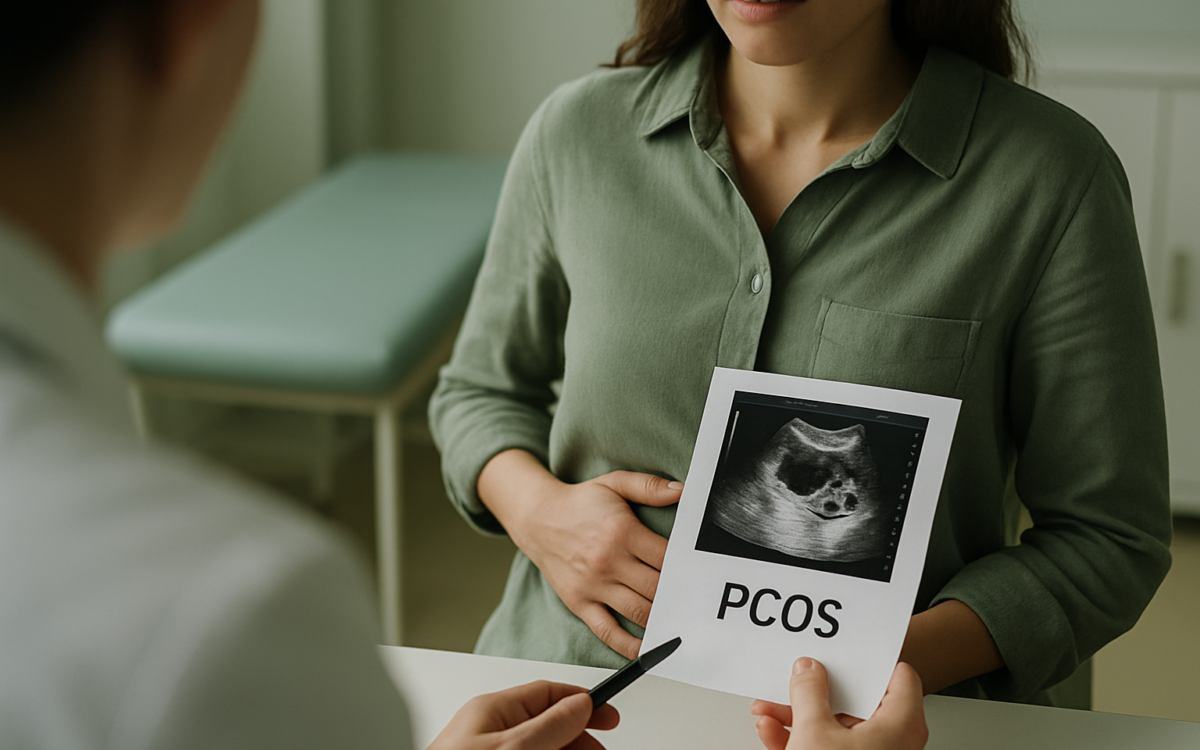
Polycystic Ovary Syndrome (PCOS) is a common condition affecting women of reproductive age. It can have a significant impact on your health, from menstrual irregularities to weight gain, and even fertility issues. Despite its prevalence, PCOS often goes undiagnosed or misunderstood. In this article, we will explore the symptoms, causes, and potential management strategies for PCOS to help you navigate this challenging condition.
What is PCOS?
PCOS is a hormonal disorder that affects how your ovaries function. Women with PCOS may experience irregular or prolonged menstrual periods, excessive hair growth (hirsutism), acne, and obesity. It is also associated with metabolic issues, including insulin resistance. Understanding PCOS is essential for effective management and treatment.
Common Symptoms of PCOS
The symptoms of PCOS can vary widely among women, but some common signs include:
- Irregular Menstrual Cycles: Women with PCOS may have infrequent periods or none at all.
- Excessive Hair Growth: Many experience hirsutism, which causes unwanted hair growth on the face and body.
- Acne and Oily Skin: Hormonal imbalances can lead to skin issues, including persistent acne.
- Weight Gain: Many women with PCOS are overweight or struggle to maintain a healthy weight.
- Infertility: PCOS is one of the leading causes of infertility in women due to disrupted ovulation.
- Thinning Hair: Some may notice thinning hair on the scalp.
Understanding the Causes of PCOS
The exact cause of PCOS is still not fully understood, but several factors may contribute to its development:
- Hormonal Imbalances: Women with PCOS often have increased levels of androgens (male hormones) that can disrupt ovulation.
- Genetics: PCOS tends to run in families, so a family history may increase your risk.
- Insulin Resistance: Many women with PCOS have insulin resistance, affecting how the body processes sugar, and this can lead to weight gain and higher androgen levels.
Diagnosis of PCOS
Diagnosing PCOS typically involves a review of your medical history, a physical exam, and various tests. There is no single test for PCOS; it is generally diagnosed based on the presence of at least two of the following three criteria:
- Irregular or absent menstrual cycles.
- Excess androgen levels, which can be confirmed through blood tests.
- Polycystic ovaries seen on an ultrasound.
It’s important to consult a healthcare provider if you suspect you have PCOS, as they can guide you through the diagnostic process and discuss potential next steps.
Managing PCOS
While there is no cure for PCOS, several management strategies can help alleviate symptoms and reduce health risks:
Lifestyle Changes
Making healthy lifestyle choices can have a significant impact:
- Diet: A balanced, nutritious diet rich in whole grains, fruits, vegetables, and lean proteins can help manage weight and insulin levels.
- Exercise: Regular physical activity, even in moderate amounts, can aid weight management and improve insulin sensitivity.
- Stress Management: Stress can worsen symptoms, so practices like yoga, meditation, or breathing exercises may help.
Medical Treatment
In some cases, healthcare providers may recommend medications to help manage symptoms:
- Hormonal Birth Control: Birth control pills can help regulate menstrual cycles and reduce androgen levels.
- Metformin: This medication is often prescribed for managing insulin resistance, especially in women with prediabetes or type 2 diabetes.
- Fertility Treatments: If you are struggling with infertility, methods such as ovulation induction might be suggested.
When to See a Doctor
If you notice symptoms of PCOS or if your menstrual cycle becomes irregular, it is important to consult a healthcare provider. Early diagnosis and management can help prevent long-term complications related to PCOS, such as diabetes and heart disease. You aren’t alone; many women experience similar challenges, and support is available.
Conclusion
Polycystic Ovary Syndrome is a complex condition that affects many women worldwide. By understanding its symptoms, causes, and available management strategies, women with PCOS can take proactive steps towards improving their health. If you suspect you have PCOS, please talk to a healthcare professional who can guide you through your options and provide support tailored to your needs. For more information about PCOS, consider visiting organizations like the Mayo Clinic or the National Institutes of Health for evidence-based resources.
