
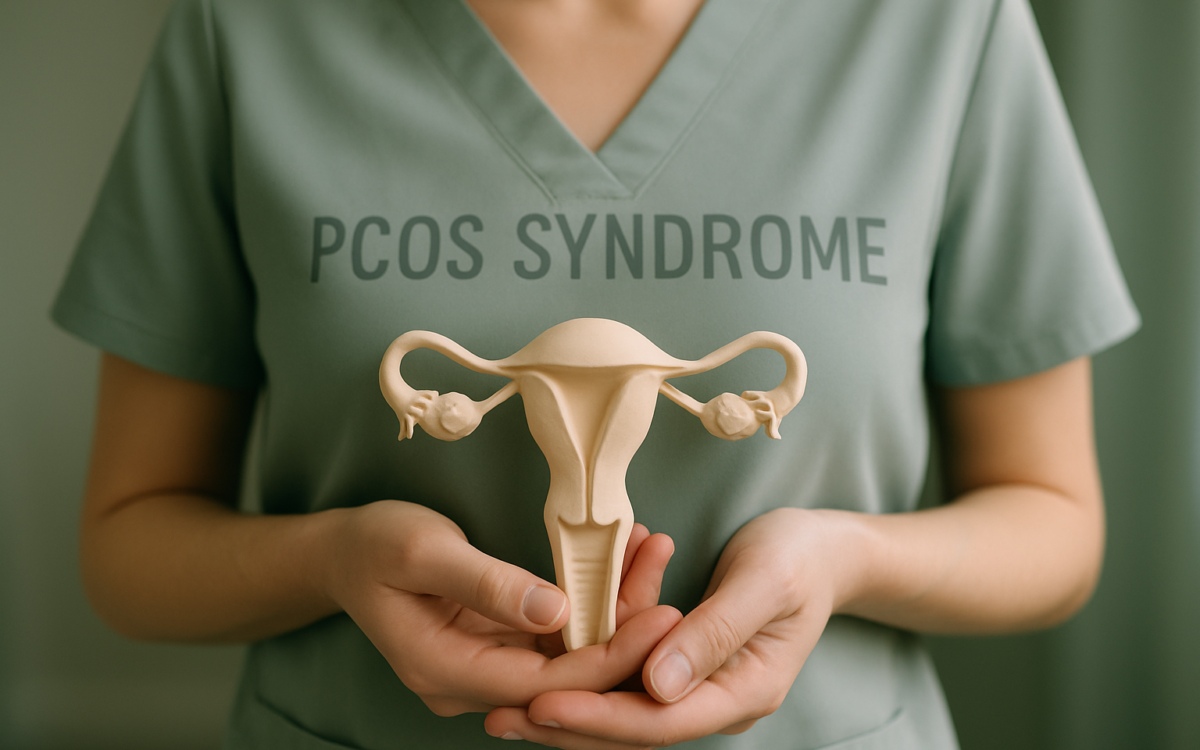
Polycystic Ovary Syndrome (PCOS) is a common hormonal disorder that affects many women of reproductive age. Although many may have heard of PCOS, it is often misunderstood. The condition is characterized by a variety of symptoms, ranging from irregular periods and weight gain to mood changes and fertility challenges. Understanding PCOS is crucial not just for managing its symptoms but for advocating better health practices.
What is PCOS?
PCOS is a complex condition that involves a combination of genetic, hormonal, and environmental factors. At its core, it stems from an imbalance in reproductive hormones, which can affect a woman’s menstrual cycle, metabolism, and even her mental health. Women with PCOS often experience insulin resistance, leading to higher levels of insulin in the body, which in turn can exacerbate hormonal imbalances.
Common Symptoms of PCOS
The symptoms of PCOS can vary widely among individuals, but some common ones include:
- Irregular Menstrual Cycles: Women with PCOS may have uneven or absent periods due to hormonal imbalances.
- Weight Gain: Many women experience difficulty in losing weight or may gain weight unexpectedly.
- Excess Hair Growth: Known as hirsutism, this symptom can lead to unwanted facial and body hair.
- Acne and Oily Skin: Skin issues like acne can arise from hormonal changes.
- Thinning Hair: Some women may experience hair thinning or male-pattern baldness.
It’s important to note that experiencing one or more of these symptoms does not necessarily mean someone has PCOS. A proper diagnosis is needed, usually based on a combination of medical history, physical examination, and possibly imaging tests.
Diagnosis of PCOS
To receive a diagnosis of PCOS, a healthcare provider typically looks for two of the following criteria, often referred to as the Rotterdam criteria:
- Irregular ovulation or an absence of periods.
- Evidence of excess androgen, which may be indicated by symptoms like hirsutism or acne.
- Polycystic ovaries observed through ultrasound imaging.
Since symptoms can overlap with other conditions, getting diagnosed might take time. It is crucial to work with a healthcare professional to determine the right diagnosis and rule out other potential issues.
Managing PCOS Symptoms
Management of PCOS often requires a multifaceted approach focusing on lifestyle changes, medication, and sometimes specialized treatments. Here are some strategies:
1. Lifestyle Modifications
Diet and exercise play an essential role in managing PCOS. Adopting a balanced diet rich in whole grains, fruits, vegetables, and lean proteins can help manage insulin levels and support weight management.
2. Medications
Hormonal contraceptives are commonly prescribed for women with PCOS, as they can help regulate menstrual cycles and reduce symptoms like acne and excessive hair growth. Metformin, a medication typically used for type 2 diabetes, can also help manage insulin resistance.
3. Alternative Treatments and Support
Some women seek complementary treatments, such as acupuncture, herbal remedies, or wellness retreats that focus on holistic approaches. For those considering international treatment options, seeking specialized treatment in Turkey can be beneficial due to the country’s advancements in reproductive health and PCOS management.
Impact on Fertility
One of the most significant challenges for many women with PCOS is fertility. The hormonal imbalance can lead to irregular ovulation, making it harder to conceive. However, many women with PCOS can and do become pregnant. Strategies such as weight management, ovulation-inducing medications, and assisted reproductive technologies like in vitro fertilization (IVF) may be considered, depending on individual circumstances.
Mental Health and PCOS
PCOS can also take a toll on mental health due to its various physical symptoms and challenges. Many women report feelings of anxiety, depression, and lower self-esteem linked to their experiences with PCOS. Support groups, counseling, and discussing these feelings with a healthcare provider can be beneficial.
When to See a Doctor
If you suspect you have PCOS due to irregular periods, unusual weight changes, or skin-related symptoms, it’s a good idea to consult a healthcare professional. Additionally, you should seek advice if you’re facing issues related to fertility or mental health struggles linked with your symptoms.
Conclusion
PCOS is a complex condition involving a spectrum of symptoms and challenges. While it can significantly impact a woman’s health and well-being, understanding the condition opens the door to effective management strategies. By engaging with healthcare professionals and exploring both medical and lifestyle interventions, women with PCOS can lead fulfilling lives and make informed choices regarding their health.
