
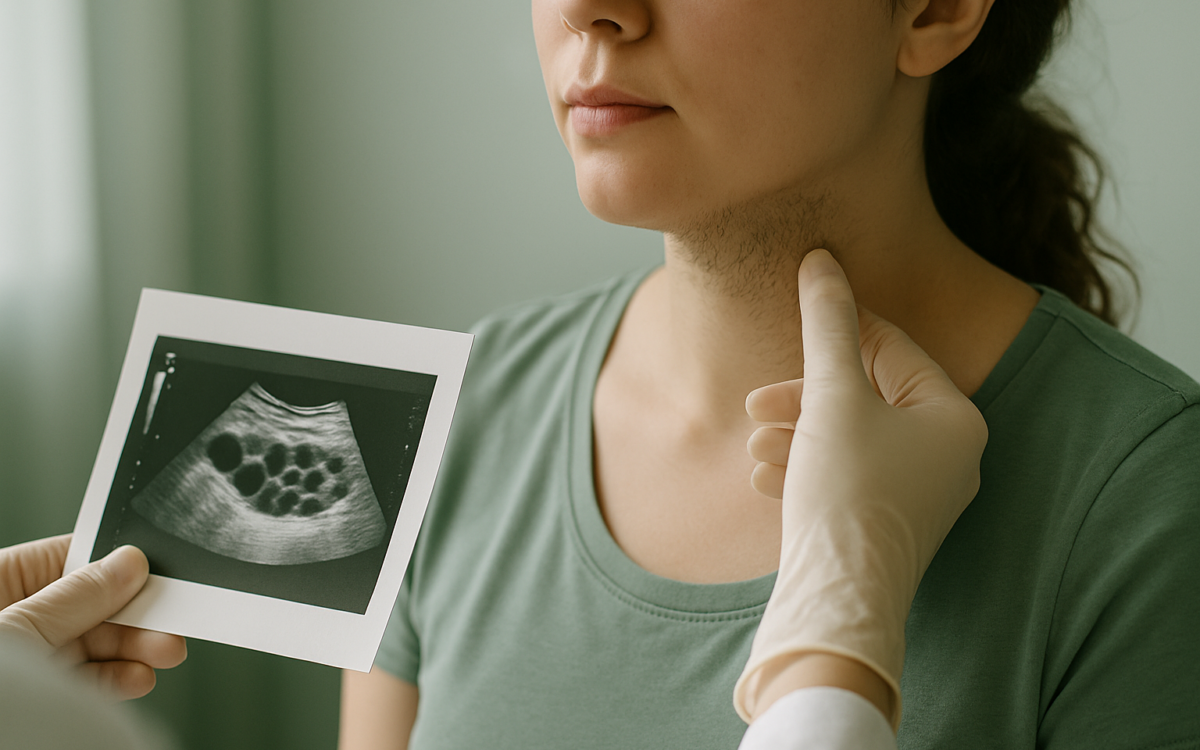
Polycystic Ovary Syndrome (PCOS) is a common hormonal disorder among women of reproductive age. One of the many symptoms of PCOS is an imbalance in hormone levels, which can lead to unexpected changes in hair growth. Though it can be distressing, understanding the connection between polycystic ovaries and hair growth can help women navigate these challenges with more confidence.
What is Polycystic Ovary Syndrome?
PCOS is characterized by a combination of symptoms, including irregular periods, excess androgen levels (male hormones), and polycystic ovaries. Women with PCOS may have small cysts on their ovaries, but it’s important to note that not all women with the condition will have these cysts visible via ultrasound.
Research suggests that PCOS affects 6% to 12% of women in the U.S., making it one of the most common reproductive health issues. It can affect various aspects of a woman’s life, including fertility, weight, and mental health.
How Hormones Affect Hair Growth
Hair growth is regulated by various hormones in the body. In women, androgens, often referred to as male hormones, play a significant role in hair growth patterns. In a typical scenario, women produce lower levels of androgens than men, resulting in finer body hair and less facial hair. However, in cases of PCOS, women may experience elevated androgen levels, leading to unwanted hair growth (hirsutism) and hair thinning on the scalp.
Understanding Hirsutism
Hirsutism is a condition where women have excessive hair growth in areas where men typically grow hair, such as the face, back, and chest. This symptom can be distressing and can impact self-esteem. Studies show that 70% to 80% of women with PCOS experience some form of hirsutism.
Hirsutism related to PCOS is not just a cosmetic issue; it can significantly affect women’s quality of life. Social anxiety and body image issues are common among those struggling with this condition. Recognizing that hirsutism is caused by hormonal imbalances can help women approach this challenge with a clearer perspective.
Other Hair-Related Symptoms of PCOS
In addition to hirsutism, women with PCOS may also experience:
- Alopecia: Some may notice thinning hair on the scalp, leading to a more male-pattern baldness appearance.
- Skin Changes: Increased oiliness and acne can occur due to hormonal fluctuations, affecting the overall health of the hair.
- Hair Texture Changes: Some women report changes in hair texture, with hair becoming coarser or changing curl patterns.
Managing Hair Growth with PCOS
While PCOS is a chronic condition, there are several methods to manage hair growth effectively. Here are a few approaches:
1. Lifestyle Changes
Maintaining a healthy weight through diet and exercise can help regulate insulin levels and may improve symptoms. Even a modest weight loss can significantly lower androgen levels.
2. Medications
Many women find relief through hormonal treatments. Birth control pills are commonly prescribed to help regulate menstrual cycles and lower androgen levels. Anti-androgen medications, such as spironolactone, can also reduce hair growth.
3. Hair Removal Techniques
For immediate concerns regarding unwanted hair, various hair removal methods can be considered:
- Shaving
- Waxing
- Electrolysis
- Laser Hair Removal
A dermatologist can provide guidance on the most suitable options.
Emotional and Psychological Support
Dealing with hirsutism and other symptoms of PCOS can take a toll on mental health. Support groups, counseling, and online forums can provide community and understanding. Speaking with a counselor who specializes in women’s health may help address self-esteem issues stemming from physical changes related to PCOS.
When to See a Doctor
If you suspect you have PCOS or experience symptoms such as irregular periods, unwanted hair growth, or acne, it may be beneficial to consult with a healthcare provider. They can conduct tests to determine if you have PCOS and discuss treatment options to help manage symptoms.
Conclusion
Understanding the relationship between polycystic ovaries and hair growth can empower women facing the challenges of PCOS. By recognizing the symptoms, seeking appropriate medical care, and exploring management techniques, women can take charge of their health and well-being. Remember, you are not alone, and help is available to guide you through this journey.
