
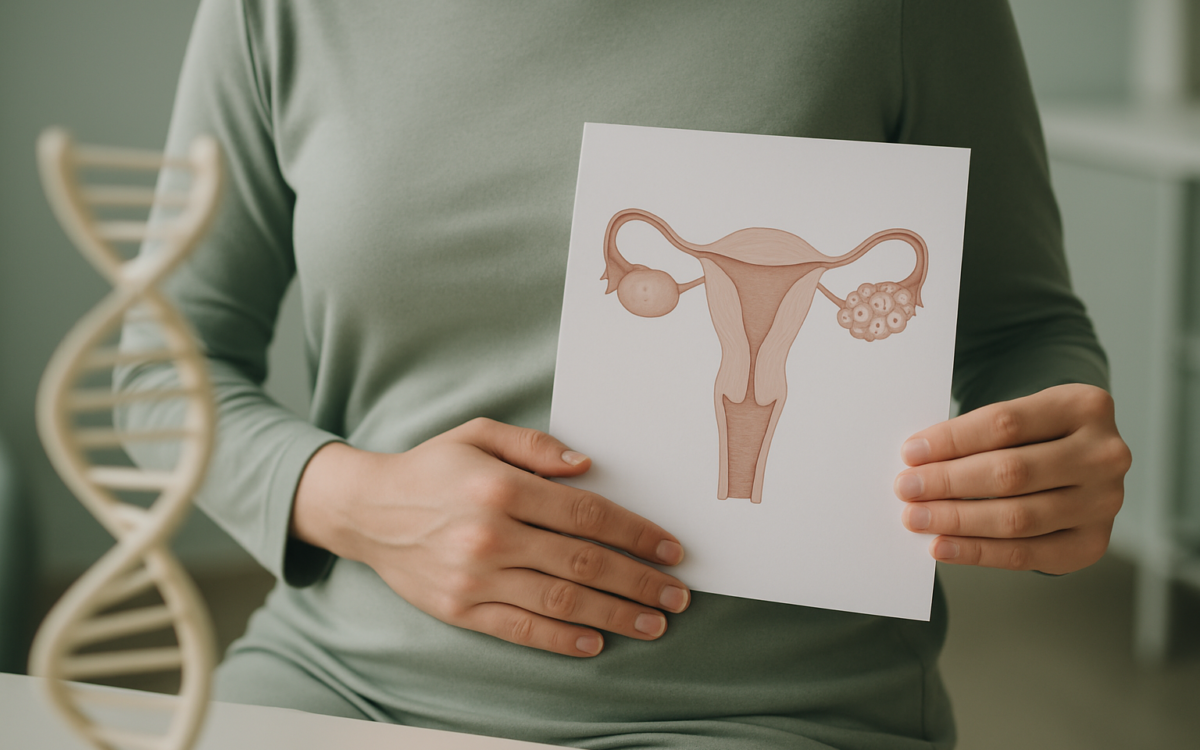
Polycystic ovary syndrome (PCOS) is a condition that affects how a woman’s ovaries work, leading to hormonal imbalances that can impact health in various ways. Symptoms can include irregular menstrual cycles, weight gain, acne, excess hair growth, and fertility issues. While many women may experience these symptoms, they often wonder about the underlying causes, particularly whether PCOS is inherited from their family. In this article, we will explore the connection between genetics and polycystic ovary syndrome.
What is Polycystic Ovary Syndrome?
PCOS is a common endocrine disorder affecting women of reproductive age, impacting an estimated 5 to 10 percent of this population. It is characterized by a combination of symptoms that may vary greatly from one individual to another. Some common manifestations include:
- Irregular or absent menstrual periods
- Excessive hair growth (hirsutism)
- Acne and oily skin
- Weight gain or difficulty losing weight
- Cysts on the ovaries
The exact cause of PCOS remains unclear, but factors like hormonal imbalance and insulin resistance appear to play crucial roles.
The Role of Genetics in PCOS
One of the most intriguing areas of study regarding PCOS is its potential genetic link. Research has suggested that having a family member with PCOS can increase the likelihood of developing the condition. In particular, studies involving twins have indicated that genetic factors contribute significantly to the development of PCOS.
According to the National Institutes of Health (NIH), there is a higher prevalence of PCOS among sisters and mothers of affected women compared to the general population, indicating a potential hereditary pattern. However, while genetics plays a role, environmental factors and lifestyle are also factors that can influence the onset and severity of the syndrome.
Genetic Markers and Research Findings
Recent studies have identified specific genetic markers potentially associated with PCOS. For instance, variants in genes responsible for hormonal regulation may predispose individuals to develop the syndrome. A comprehensive review published in a peer-reviewed journal pointed out that certain genes related to insulin sensitivity might also be involved in PCOS pathology.
The findings emphasize the multifactorial nature of PCOS—it’s likely not just a single gene causing the disorder but rather a combination of multiple genetic factors, environmental influences, and lifestyle choices. For example, an unhealthy diet and lack of exercise have been linked to insulin resistance, a significant player in PCOS.
International Perspectives on PCOS Treatment
When PCOS is diagnosed, treatment options may vary based on individual symptoms and goals—whether it’s managing weight, regulating menstrual cycles, or addressing infertility. Some women may seek international treatments that offer a broader spectrum of therapeutic approaches. Institutions like Acibadem International provide integrated health care solutions that accommodate differing medical practices and patient needs globally.
Understanding genetic predispositions can help women make informed decisions about their health, and consulting with healthcare providers who are well-versed in both local and international practices can offer additional support.
Managing PCOS: The Importance of Lifestyle
Regardless of genetic predisposition, lifestyle changes are crucial in managing symptoms of PCOS. Women can benefit from:
- Maintaining a healthy weight, which can help regulate hormones and improve overall well-being.
- Engaging in regular physical activity to enhance insulin sensitivity and aid in weight management.
- Eating a balanced diet with an emphasis on whole foods, including fruits, vegetables, and lean proteins.
- Controlling stress through mindfulness practices and proper sleep hygiene.
These lifestyle modifications do not change genetic makeup but can significantly impact how the syndrome manifests and affects daily life.
When to See a Doctor
If you suspect you might have PCOS due to irregular periods, difficulty conceiving, or other symptoms, it’s essential to consult a healthcare provider. A thorough evaluation, including potential blood tests and ultrasounds, can lead to an accurate diagnosis and personalized treatment plan.
Conclusion
In summary, polycystic ovary syndrome does have genetic connections, with family history potentially increasing the risk. While genetic factors play a role, they are only part of a larger picture that includes lifestyle choices and environmental influences. Understanding these connections can empower women in managing their health. Always reach out to your healthcare provider for guidance tailored to your individual circumstances.
