
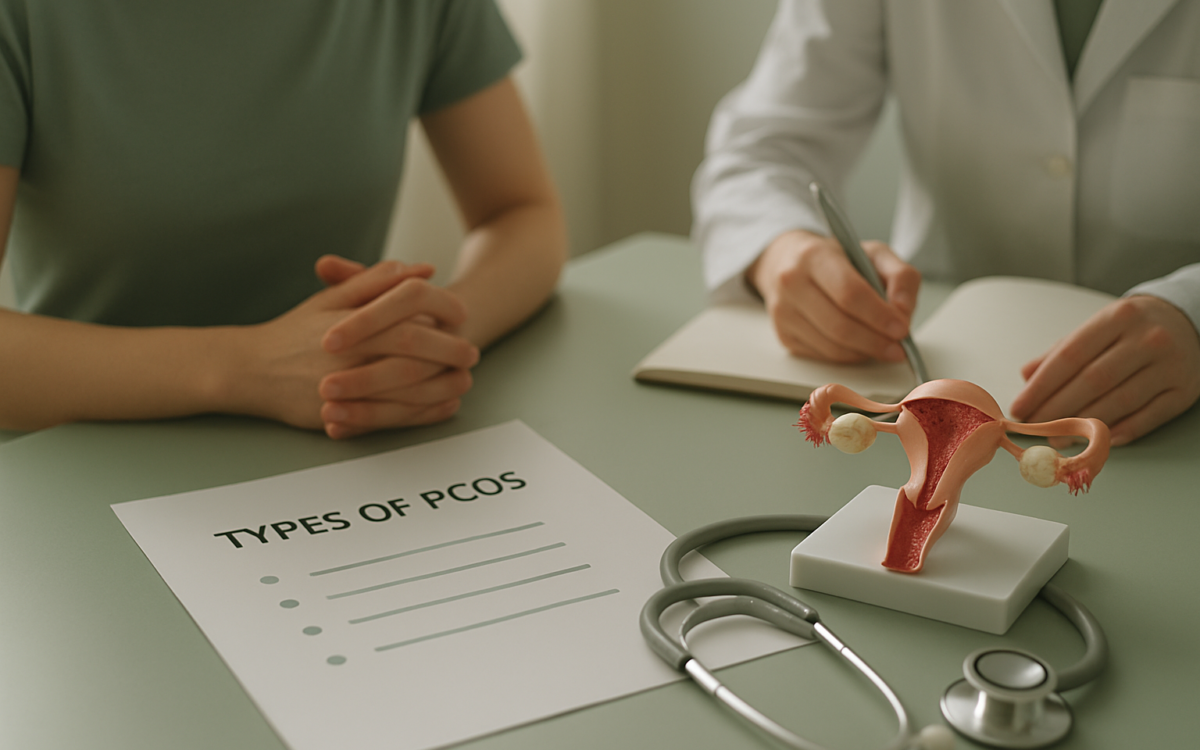
Polycystic ovary syndrome (PCOS) is a common hormonal disorder that affects many women around the world. Understanding the types of PCOS can help individuals recognize their symptoms and find effective treatment options. In this article, we will explore the different types of PCOS, their characteristics, and management strategies to help women lead healthier lives.
1. Classic PCOS
Classic PCOS is characterized by the presence of multiple cysts on the ovaries, along with symptoms of hormone imbalance. Women with classic PCOS often experience irregular menstrual cycles, excess body hair, acne, and difficulty managing weight. These symptoms arise due to elevated levels of androgens, commonly known as male hormones.
2. Insulin-Resistant PCOS
This type is often associated with insulin resistance, which occurs when the body’s cells do not respond well to insulin, leading to elevated blood sugar levels. Women with insulin-resistant PCOS may find it easier to gain weight and more difficult to lose it. This can also increase the risk of developing type 2 diabetes. Management strategies may include dietary changes, physical activity, and sometimes medications to improve insulin sensitivity, as noted by the National Institutes of Health.
3. Inflammatory PCOS
Inflammatory PCOS is marked by chronic inflammation in the body. This inflammation can disrupt hormone levels and lead to symptoms such as acne, hair loss, and irregular cycles. Women with this type may benefit from anti-inflammatory diets and lifestyle changes that promote reducing inflammation. Research indicates that a focus on whole foods and minimizing processed foods can be beneficial (World Health Organization).
4. Post-Pill PCOS
Some women may experience symptoms of PCOS after stopping hormonal contraceptives, a condition known as post-pill PCOS. This type can cause irregular periods and other typical symptoms of PCOS. It is essential for these women to monitor their symptoms closely, as they may stabilize over time or require specific interventions.
5. Mild PCOS
Mild PCOS can present with few symptoms but still include some typical characteristics, such as minor irregularities in menstrual cycles and mild hormonal imbalances. Women with mild PCOS often lead near-normal lives but must pay attention to their health to prevent potential complications later on.
Exploring Treatment Options
The management for PCOS often depends on the type and individual symptoms. Common approaches include:
- Diet and Exercise: A balanced diet rich in whole foods, alongside regular physical activity, can help manage symptoms.
- Medications: Hormonal contraceptives can help regulate menstrual cycles and reduce symptoms like acne and excessive hair growth. Metformin is often prescribed for insulin-resistant PCOS.
- Supplements: Some vitamins and minerals, such as vitamin D and inositol, may support hormonal balance, though it’s wise to consult a health professional before starting any regimen.
When to See a Doctor
If you experience symptoms of PCOS, such as irregular periods, excessive hair growth, or difficulty losing weight, consider consulting a healthcare professional. They can assist in diagnosing your specific type of PCOS and suggest effective management strategies.
Conclusion
Each type of PCOS presents unique challenges and symptoms, but understanding these differences is crucial in managing the condition effectively. By recognizing the signs and working with healthcare professionals, women can take charge of their health and well-being. Remember to consult your doctor for personalized advice and treatment options.
