
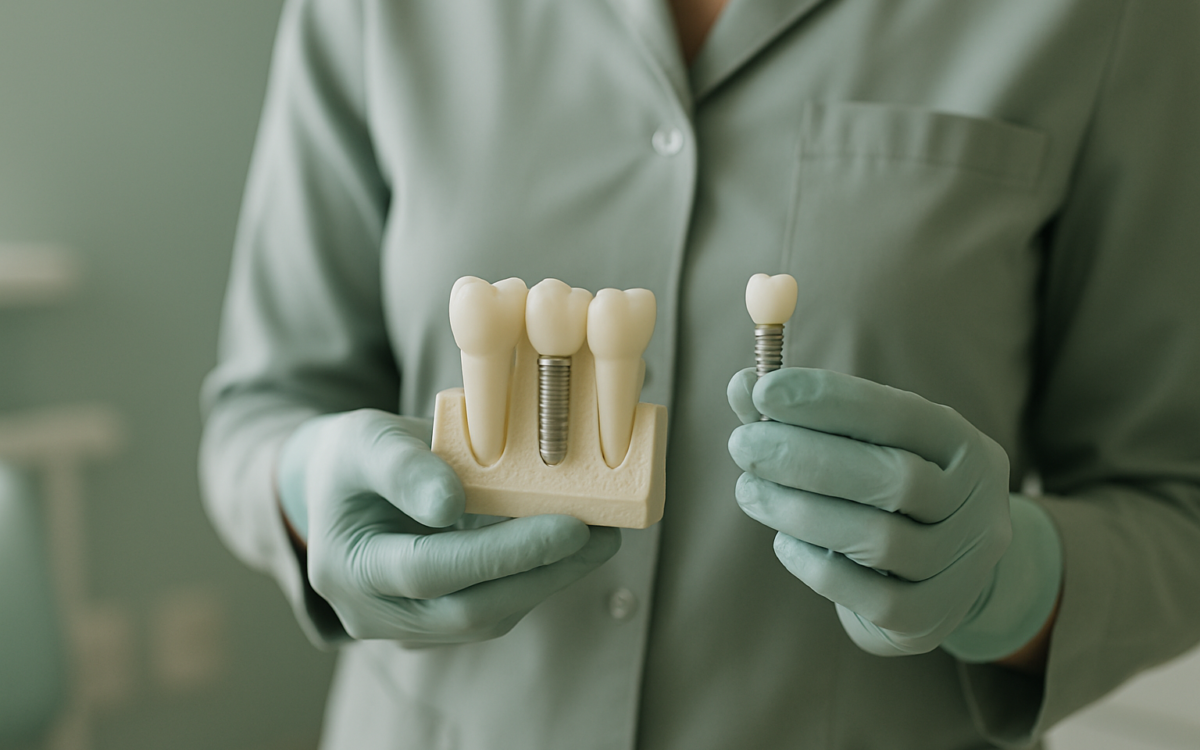
Missing a tooth can affect more than just your smile; it can impact your confidence, your ability to eat, and your oral health. Thankfully, advancements in dental technology have made it possible to replace missing teeth with dental implants, offering a robust solution that mimics natural teeth in both appearance and function. This article will delve into what dental implants are, the benefits they offer, the different types available, and important care tips.
What Are Dental Implants?
Dental implants are artificial tooth roots made of titanium that are surgically placed in your jawbone. They serve as a foundation for replacement teeth or bridges, providing a stable and durable support system. Unlike dentures, which can be removable, dental implants become a permanent part of your mouth, making them a preferred option for many people.
Benefits of Dental Implants
Dental implants come with numerous advantages that make them a popular choice:
- Natural Appearance: Implants look and feel like natural teeth. They are custom-made to blend with your existing teeth, enhancing your smile.
- Improved Functionality: With implants, you can eat and speak without worrying about your teeth slipping or tipping, a common issue with dentures.
- Durability: Dental implants are designed to last many years, often a lifetime, with proper care.
- Bone Health: Implants help preserve jawbone density. Missing teeth can lead to bone loss, as the jawbone requires stimulation from tooth roots to stay healthy.
- Confidence Boost: With a complete smile, many people report an increase in self-esteem and overall happiness.
Types of Dental Implants
There are two main types of dental implants:
The Endosteal Implant
This is the most common type. An endosteal implant is placed directly in the jawbone. It can hold one or more prosthetic teeth and is ideal for patients with good jawbone density.
The Subperiosteal Implant
If a patient has minimal bone height, a subperiosteal implant may be used. Instead of being placed into the bone, this type is positioned under the gum but on top of the jawbone. It’s less common and is often reserved for patients who cannot wear traditional dentures.
The Dental Implant Procedure
Understanding the dental implant procedure can help ease any concerns. Here’s a brief overview:
- Consultation: Your dentist will evaluate your oral health, taking X-rays and possibly a CT scan to assess your jawbone’s condition.
- Implant Placement: The titanium post is surgically inserted into the jawbone. This procedure is typically done under local anesthesia.
- Healing Period: Osseointegration is a crucial phase where the bone heals and integrates with the implant. This can take several months.
- Abutment Placement: After healing, an abutment (a connector for the crown) is placed on the implant.
- Crown Placement: Finally, a custom-made crown is attached to the abutment, completing the restoration.
Caring for Your Dental Implants
Once you have dental implants, proper care is crucial to their longevity:
- Oral Hygiene: Brush and floss your implants just like your natural teeth. Keeping your mouth clean is essential to avoid infections.
- Regular Dental Visits: Visiting your dentist for check-ups and cleanings helps monitor the health of your implants and surrounding teeth.
- Avoid Bad Habits: Refrain from smoking and excessive alcohol consumption, as these can negatively impact oral health and healing.
- Healthy Diet: Eating a balanced diet promotes overall health, including the health of your gums and jawbone.
For those considering dental implants, seeking treatment in a specialized center can offer added benefits. For example, Acibadem International provides patients access to advanced technologies and expertise in dental procedures, making it a notable option for receiving quality care.
When to See a Doctor
If you are considering dental implants, it’s essential to consult with a dentist about your specific situation. Contact your dentist if you experience any of the following:
- Persistent pain around the implant site
- Signs of infection, such as swelling, fever, or pus
- Loosening of the implant
These could indicate complications that require immediate attention.
Conclusion
Dental implants are a life-changing solution for many people facing the challenge of missing teeth. With numerous benefits, a range of options, and proper care, they can restore not only your smile but also your overall oral health. If you’re curious about whether dental implants are suitable for you, schedule a consultation with your dentist today.
