
For many people, losing a tooth can feel like a significant setback, not only affecting the ability to eat and speak but also impacting one’s confidence and smile. Fortunately, advancements in dental technology have made it possible to replace lost teeth with a solution that looks and feels natural: dental implants. This article will guide you through understanding dental implants in Houston, including their benefits, types, the procedure, and aftercare.
What Are Dental Implants?
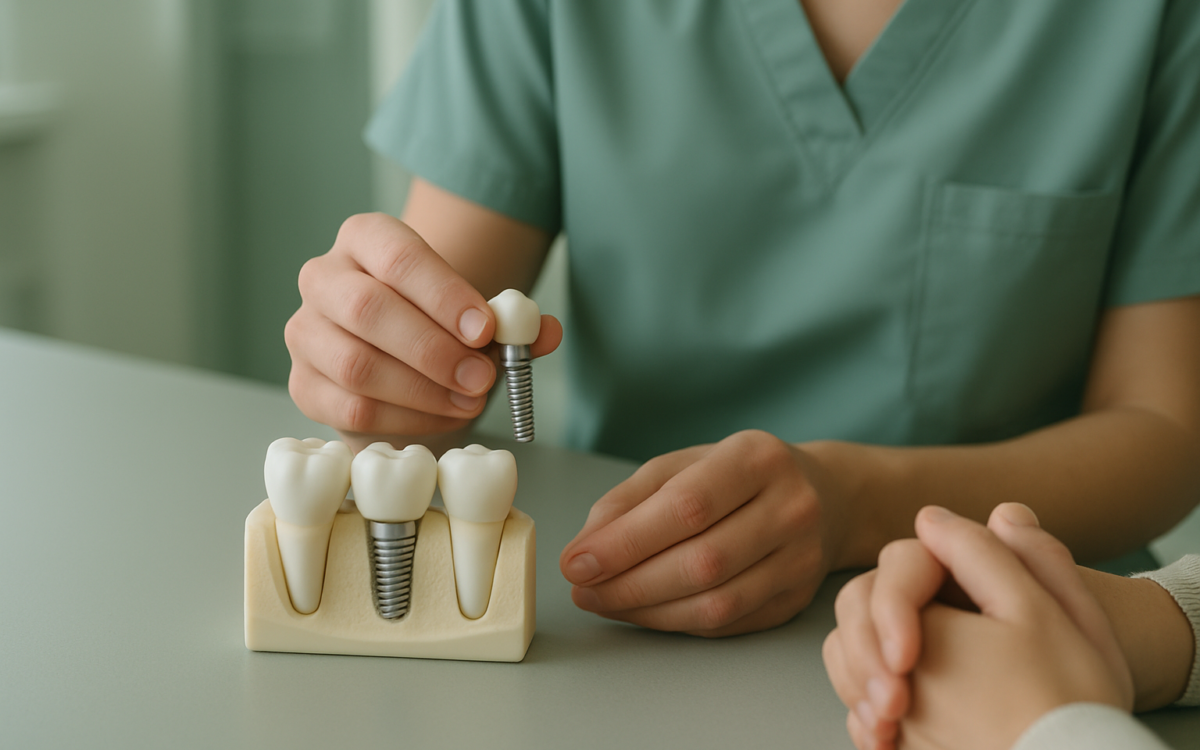
Dental implants are small titanium posts that are surgically placed into the jawbone. They act as a sturdy foundation for replacement teeth, which can be individual crowns, bridges, or even full dentures. Unlike dentures that can slip or partials that can be uncomfortable, implants fuse with your jawbone, providing a secure and permanent solution.
Benefits of Dental Implants
There are numerous advantages to choosing dental implants over other tooth replacement options:
- Natural Appearance: Implants are designed to look, feel, and function like your natural teeth.
- Durability: With proper care, implants can last many years, often a lifetime.
- Bone Preservation: Implants help maintain the jawbone structure, reducing the risk of bone loss that occurs when teeth are missing.
- Functional Benefits: They improve chewing ability, allowing you to enjoy a varied diet without fear of discomfort.
- Improved Speech: Unlike dentures, which can slip and make speech difficult, implants allow you to speak clearly.
Types of Dental Implants
There are several types of dental implants that your dentist may recommend based on your individual needs:
Endosteal Implants
These are the most common type of implant, placed directly into the jawbone. They typically consist of a titanium post and a crown that is attached after healing.
Subperiosteal Implants
For patients who may not have enough healthy jawbone for an endosteal implant, subperiosteal implants are an option. They are placed under the gum but above the jawbone and may be suitable for patients with certain anatomical considerations.
The Dental Implant Procedure
The process of getting dental implants generally involves multiple steps and can take several months to complete. Here’s a typical overview:
- Initial Consultation: Your dentist will evaluate your oral health, discuss your goals, and take X-rays to assess your jawbone.
- Surgery: The implant is placed into the jawbone during a surgical procedure. Local anesthesia is typically used, and the healing process, called osseointegration, begins immediately.
- Abutment Placement: Once the implant integrates with the bone, an abutment (a connector) is placed on top of the implant.
- Crown Placement: After healing, a custom-made crown is attached to the abutment.
Aftercare for Dental Implants
Taking care of your dental implants is crucial for their longevity and can be quite similar to caring for natural teeth. Here are some important aftercare tips:
- Maintain good oral hygiene by brushing and flossing daily.
- Regular dental check-ups are essential for monitoring the health of your implants and surrounding teeth.
- Avoid hard foods that can damage the implant or crown, especially in the initial healing phase.
Candidates for Dental Implants
Most adults who are missing one or more teeth can be good candidates for dental implants. However, certain factors can affect eligibility:
- Healthy Gums: Healthy gum tissue is necessary to support the implant.
- Bone Density: There needs to be sufficient jawbone mass to anchor the implant, though some procedures may help build up bone.
- Overall Health: Certain medical conditions can impact the viability of dental implants. Discuss your health history with your dentist.
When to See a Doctor
If you are considering dental implants, schedule a consultation with a qualified dentist. They will evaluate your dental health and help determine the best course of action for your specific needs. Additionally, if you notice any signs of infection, implant failure, or discomfort that persists following the procedure, it’s important to seek professional advice.
In conclusion, dental implants in Houston represent a commendable solution for anyone looking to restore their smile and improve their quality of life. By understanding what they entail—from the types to the procedure and aftercare—you can make an informed decision about this transformative dental option.
