
Permanent dental implants offer a lifeline for those facing tooth loss, providing a long-term solution that enhances both function and aesthetics. As a durable alternative to dentures or bridges, implants have gained popularity due to their high success rates and natural look. This article delves into what you need to know about permanent dental implants, from the procedure to the aftercare, ensuring you make informed decisions about your dental health.
What Are Permanent Dental Implants?
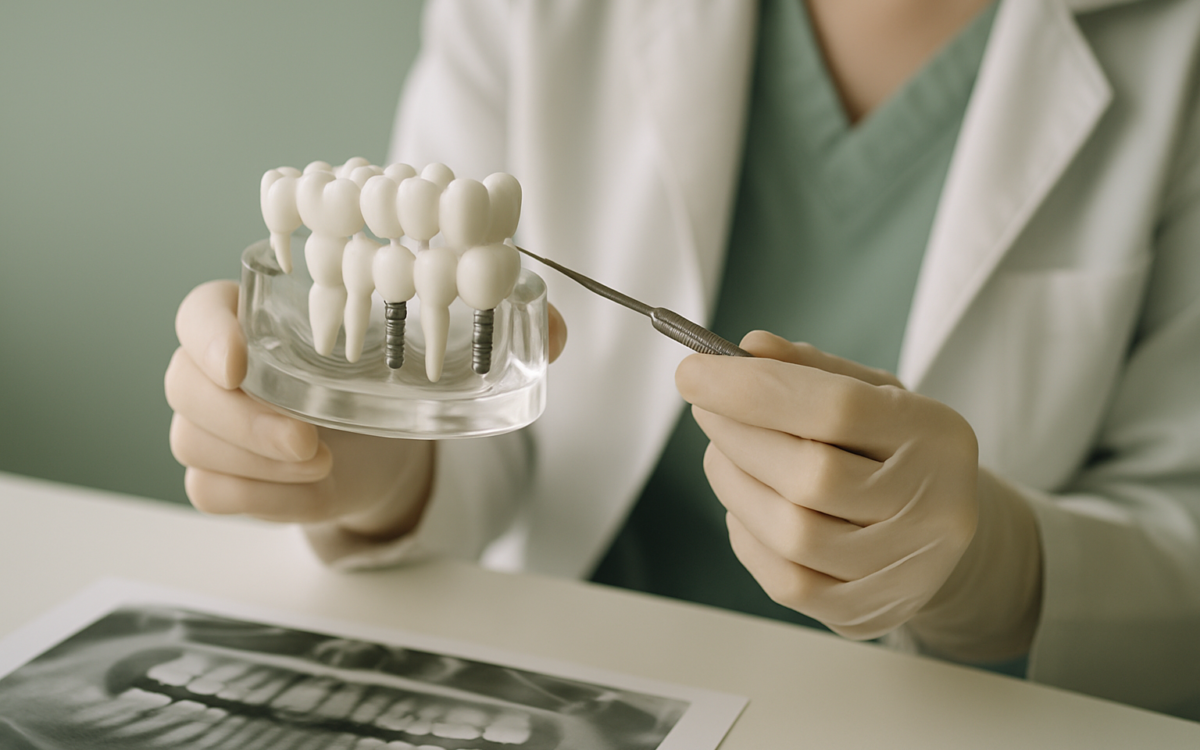
Permanently replacing missing teeth, dental implants are titanium posts surgically inserted into the jawbone. These posts act as roots for artificial teeth, which are securely attached once the implants integrate with the bone. The process typically involves several stages, including the evaluation, implant placement, and fitting the artificial tooth or crown.
Benefits of Permanent Dental Implants
Dental implants come with numerous advantages that can significantly enhance your quality of life:
- Natural Appearance: Implants look and feel like your natural teeth, offering a seamless aesthetic.
- Durability: With proper care, dental implants can last a lifetime, making them a cost-effective solution in the long run.
- Improved Oral Health: Implants do not require reducing adjacent teeth as bridges do, helping maintain your overall dental health.
- Enhanced Functionality: Enjoy improved chewing, speaking, and comfort compared to traditional dentures.
The Implantation Process
The journey to obtaining permanent dental implants consists of several key stages:
1. Consultation and Evaluation
Your dental professional will begin with a comprehensive evaluation that may include digital X-rays or 3D imaging to assess the condition of your jawbone and the surrounding structures. This is crucial in determining whether you are a suitable candidate for implants.
2. Surgical Placement
The surgical procedure is performed in a controlled environment, typically under local anesthesia. The dentist will place the titanium post into your jawbone. After this step, it usually takes several months for the jawbone to heal and fuse with the implant, a process known as osseointegration.
3. Abutment Placement
Once osseointegration is complete, a small connector called an abutment is placed on top of the implant. This component will hold the artificial tooth in place. There may be some additional healing time after this step.
4. Crown Installation
Finally, once the abutment has healed, a custom-made crown is attached. Your dentist will ensure it matches your natural teeth in size, shape, and color.
Care for Permanent Dental Implants
Taking care of your dental implants is essential for their longevity. Here are some key practices to follow:
- Maintain Oral Hygiene: Brush and floss daily to keep your mouth clean and free from plaque.
- Regular Dental Check-ups: Visit your dentist for routine check-ups and professional cleanings.
- Avoid Bad Habits: Steering clear of smoking and other harmful habits can significantly impact your implant’s success.
- Address Any Issues Promptly: If you notice any discomfort or changes, consult your dentist without delay.
Potential Risks and Considerations
While dental implants are considered safe, there are potential risks involved. Here are some things to keep in mind:
- Infection: Like any surgical procedure, there’s a risk of infection at the implant site.
- Nerve Damage: In rare cases, implants may affect nearby nerves, leading to numbness or tingling.
- Sinus Issues: If implants are placed in the upper jaw, they might protrude into the sinus cavities.
It’s important to discuss these risks with your dentist to ensure you are fully informed before proceeding with the procedure.
When to See a Dentist
If you experience persistent pain, swelling, or any signs of infection following the dental implant procedure, it’s crucial to consult your dentist. Early intervention can help prevent complications and ensure the health of your implant.
Conclusion
Permanently replacing lost teeth with dental implants can transform your smile and improve your overall oral health. However, it’s essential to take an informed approach by understanding the benefits, risks, and care requirements. If you are considering dental implants, consult with a qualified dentist who can guide you through this rewarding journey. For further information, resources like the Mayo Clinic and NIH provide valuable insights into dental procedures and patient care.
