
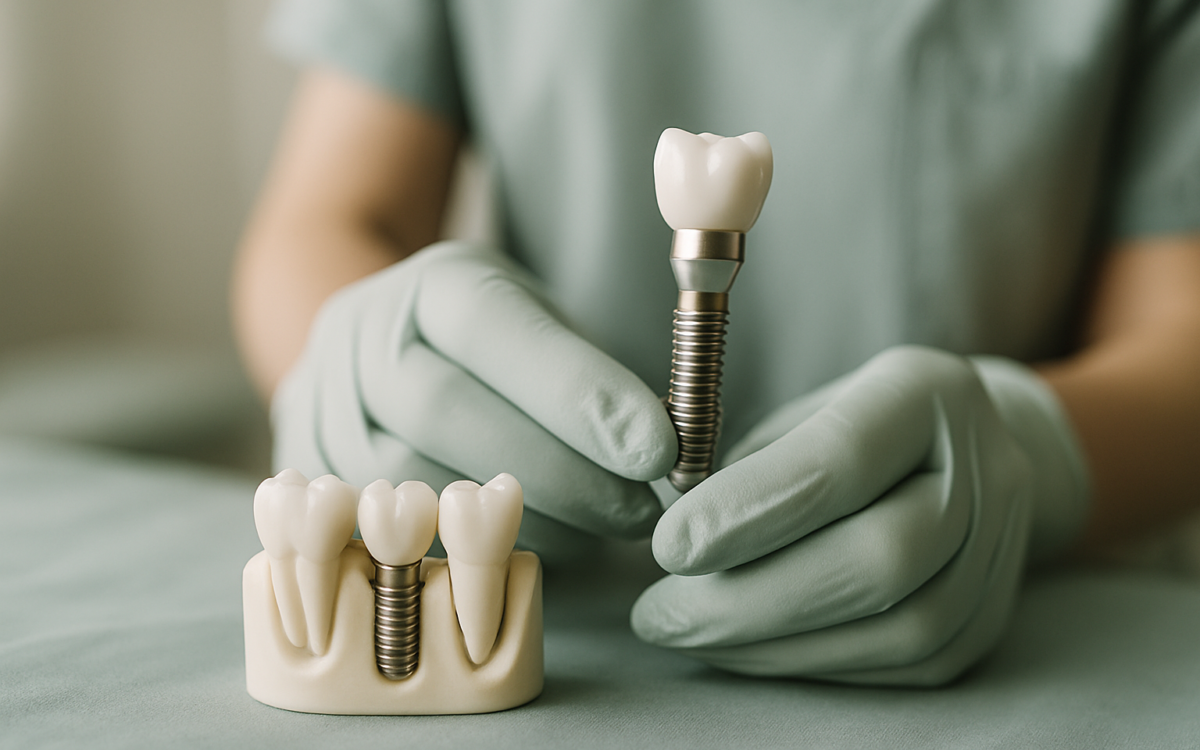
Titanium dental implants are a popular solution for those looking to replace lost teeth. These implants not only help restore your smile but also support the structure of your jaw, enhancing both function and appearance. In this article, we will explore what titanium dental implants are, the procedure involved, their advantages, potential risks, and recovery tips to ensure a successful outcome.
What are titanium dental implants?
Titanium dental implants are small, screw-like posts made from titanium that are surgically inserted into the jawbone. They act as artificial roots for missing teeth and are designed to bond with the bone through a process called osseointegration. This creates a sturdy foundation for various types of dental restorations, such as crowns, bridges, or dentures.
Why titanium?
Titanium is a favored material for dental implants for several reasons:
- Biocompatibility: Titanium is well-accepted by the human body and rarely causes allergic reactions. This makes it a safe choice for dental implants.
- Durability: Titanium has excellent mechanical properties, making it strong and resistant to wear and tear.
- Osseointegration: The unique characteristics of titanium allow it to fuse effectively with the bone, providing a reliable anchor for dental restorations.
Research shows that titanium dental implants have a high success rate, with studies indicating survival rates over 90% after 10 years (NIH).
The dental implant procedure
Getting titanium dental implants typically involves several stages:
- Initial Consultation: Your dentist will examine your oral health, take X-rays, and discuss your medical history to determine if you’re a suitable candidate.
- Implant Placement: During this procedure, the dentist will place the titanium implant into the jawbone under local anesthesia. This step usually takes about one to two hours.
- Healing Process: After implant placement, a healing period of several weeks to months is necessary for osseointegration to occur.
- Abutment Placement: Once the implant has fused with the bone, an abutment (a small connector) is placed on the implant to hold the crown.
- Crown Placement: Finally, a custom-made crown is placed onto the abutment, completing your smile restoration.
Benefits of titanium dental implants
Titanium dental implants offer numerous advantages for individuals seeking to restore their teeth:
- Improved Function: Implants function like natural teeth, allowing you to chew and speak with confidence.
- Enhanced Appearance: They look and feel like your natural teeth, boosting your self-esteem.
- Bone Preservation: Implants help maintain jawbone integrity by preventing bone loss that often follows tooth loss.
- Long-lasting Solution: With proper care, titanium implants can last a lifetime, making them a cost-effective long-term investment.
Potential risks and complications
Though titanium dental implants are generally safe, there are some risks to be aware of:
- Infection: As with any surgical procedure, there is a risk of infection at the implant site.
- Implant Failure: In rare cases, the implant may fail to integrate with the bone, necessitating removal.
- Nerve Damage: There is a small risk of nerve damage, which can cause pain or tingling in the teeth, gums, or lips.
Discussing these potential risks with your dentist can help you make an informed decision about dental implants.
Recovery and aftercare
After receiving titanium dental implants, proper aftercare is crucial for a smooth recovery:
- Follow Dental Advice: Adhere to your dentist’s post-operative instructions for oral hygiene and care.
- Manage Pain: Over-the-counter pain relievers can help manage post-operative discomfort.
Consider applying ice packs to reduce swelling. - Eat Soft Foods: Stick to a soft diet initially to avoid stressing the surgical site.
- Regular Check-Ups: Schedule follow-up appointments for your dentist to monitor your healing progress.
Most patients require a healing period of 3 to 6 months before the final restorations are placed.
When to see a doctor
If you experience any of the following symptoms after your implant procedure, contact your dentist:
- Persistent pain or discomfort that worsens.
- Signs of infection, such as swelling, redness, or discharge.
- Implant mobility or unusual changes in your bite.
Being proactive in addressing these issues can help ensure the longevity and success of your titanium dental implants.
Conclusion
Titanium dental implants represent a significant advancement in dental restoration, offering a reliable, aesthetically pleasing solution for missing teeth. By understanding the procedure, benefits, and potential risks, you can make an educated decision about whether dental implants are right for you. Always consult your dentist for personalized advice and care tailored to your individual needs.
