
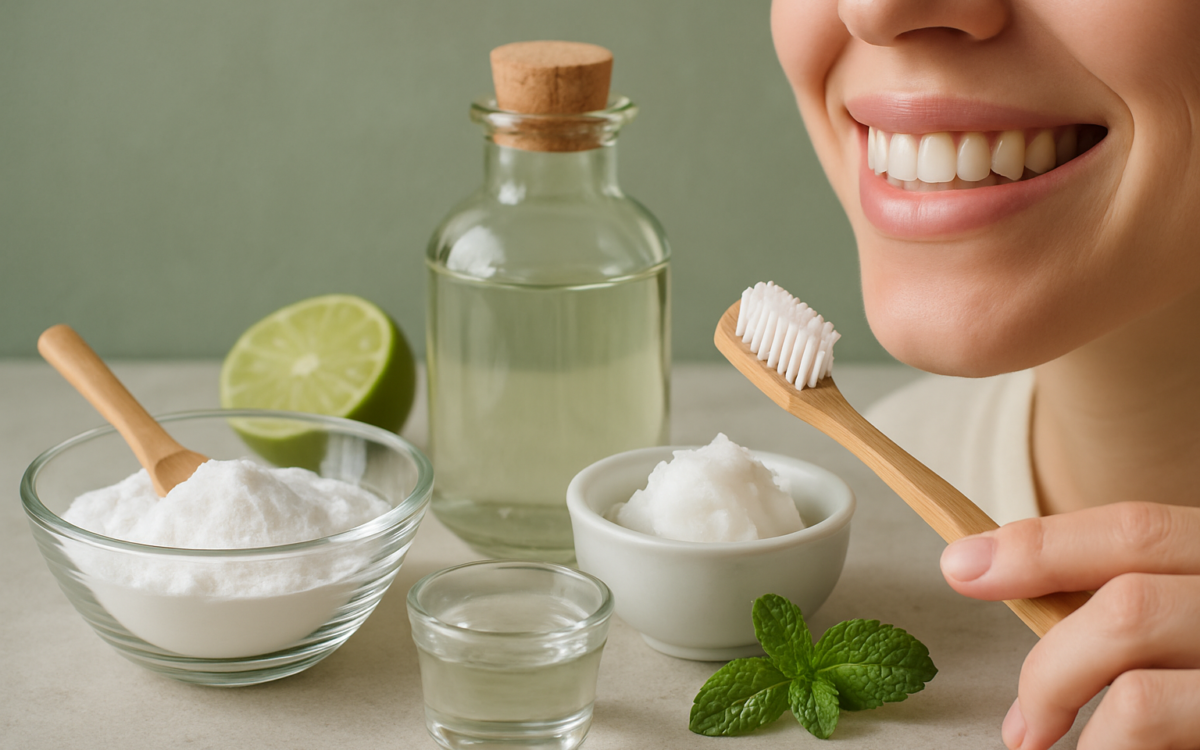
A bright smile can make a lasting impression, and many people seek ways to achieve whiter teeth without visiting a dentist. While over-the-counter products and professional treatments are popular, some home remedies may offer a natural alternative. Here, we’ll explore several home remedies for bleaching teeth, backed by science, and discuss their effectiveness, safety, and tips for maintaining overall oral health.
Baking Soda and Hydrogen Peroxide
Baking soda is a common ingredient in many households known for its mild abrasive qualities that can help remove surface stains from teeth. When combined with hydrogen peroxide, it may also enhance the whitening effect.
How to Use:
- Mix equal parts of baking soda and hydrogen peroxide to form a paste.
- Apply the paste to your toothbrush and gently brush your teeth for 1-2 minutes.
- Rinse thoroughly with water.
Studies have shown that baking soda has a unique ability to act as a gentle abrasive, which can help remove surface stains (source). However, it’s important to use this remedy sparingly to avoid damaging enamel.
Activated Charcoal
Activated charcoal has gained popularity in recent years for its purported ability to absorb toxins and stains. Some people use it as a natural tooth whitening remedy.
How to Use:
- Wet your toothbrush, then dip it into activated charcoal powder.
- Brush your teeth gently for about 2 minutes.
- Rinse thoroughly and repeat no more than once a week.
While there is limited clinical research on the effectiveness of activated charcoal for teeth whitening, anecdotal evidence supports its use. Experts advise caution, as the abrasive nature of charcoal can potentially damage enamel, leading to increased sensitivity over time (Mayo Clinic).
Apple Cider Vinegar
Apple cider vinegar (ACV) is believed to have natural whitening properties due to its acidic nature. This means it can help break down certain stains. However, its acidity can also erode enamel, so it should be used with caution.
How to Use:
- Dilute 1 tablespoon of ACV in a cup of water.
- Swish the mixture around your mouth for about 30 seconds.
- Brush your teeth afterward to remove acidity.
Although some individuals report a brighter smile after using ACV, the CDC warns against excessive use due to the potential risk of tooth decay from prolonged exposure to acids.
Strawberries and Baking Soda
Strawberries contain malic acid, which may help remove surface stains. When combined with baking soda, this remedy can create a paste that some people find effective for teeth whitening.
How to Use:
- Crush a few ripe strawberries and mix with baking soda to form a paste.
- Apply the paste to your teeth using your toothbrush.
- Leave it on for about 5 minutes, then rinse thoroughly.
While this remedy can be a refreshing alternative, keep in mind that strawberries contain sugar, and frequent exposure could contribute to tooth decay if not properly cleaned off afterward.
Good Oral Hygiene Practices
While home remedies can play a role in achieving whiter teeth, maintaining good oral hygiene is crucial. Regular brushing and flossing can significantly improve your smile’s brightness and overall dental health.
Tips for Oral Hygiene:
- Brush at least twice a day with fluoride toothpaste.
- Floss daily to remove plaque and food particles between teeth.
- Limit sugary snacks and drinks that can stain teeth.
- Visit your dentist regularly for cleanings and check-ups.
By following these practices alongside your home remedies, you’ll not only work towards whiter teeth but also lower your risk of cavities and gum disease.
When to See a Doctor
If you experience persistent discoloration, sensitivity, or any discomfort after trying home remedies, it’s wise to consult a dental professional. They can provide personalized advice and treatment options tailored to your needs.
Additionally, people with certain dental conditions or those who have undergone dental work (such as crowns or fillings) should discuss any whitening methods with their dentist before trying them.
In conclusion, while several home remedies may help you achieve a brighter smile, always prioritize safety and oral health. A balanced approach that includes good hygiene practices, responsible use of any home whitening techniques, and regular dental visits will yield the best results for your smile.
