
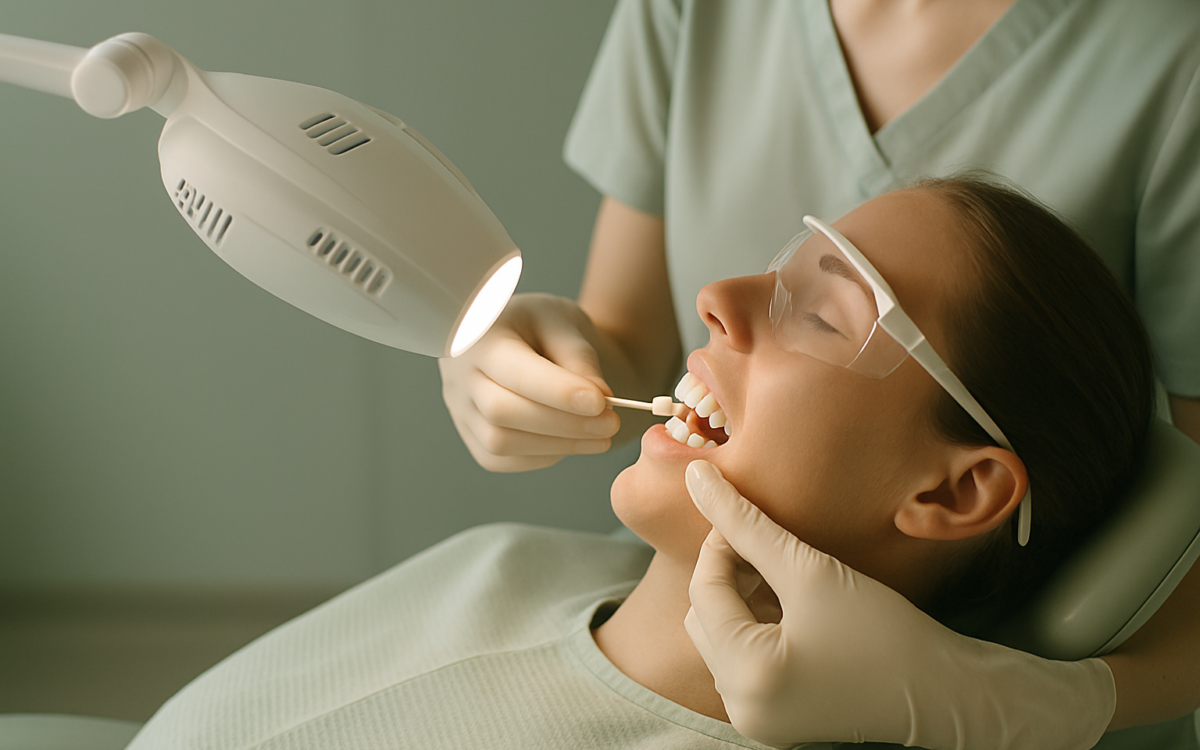
A bright, white smile often signifies health and vitality, prompting many people to seek ways to achieve that dazzling look. Teeth whitening has become increasingly popular, with numerous methods available over the counter and through dental professionals. But with so many options, how do you know what works, what’s safe, and what might be best for you? This article will explore the various teeth whitening methods, their effectiveness, and important considerations to keep in mind.
Understanding Teeth Discoloration
Teeth can darken or become discolored for several reasons, including:
- Staining foods and drinks: Coffee, tea, red wine, and certain fruits can stain teeth over time.
- Tobacco use: Smoking and chewing tobacco can lead to significant discoloration.
- Aging: As we age, the outer layer of enamel wears down, revealing the darker dentin underneath.
- Medications: Some medications, like those containing tetracycline, can cause stains.
- Fluorosis: Excessive fluoride during childhood can lead to white spots or dark stains on teeth.
Understanding the cause of your teeth discoloration is essential, as it impacts the choice of whitening treatment.
Types of Teeth Whitening Methods
1. Over-the-Counter Products
Many people opt for over-the-counter (OTC) whitening products due to their convenience and affordability. These include:
- Whitening toothpastes: These contain mild abrasives or chemical agents to help remove surface stains.
- Whitening strips: Thin plastic strips coated with a peroxide-based gel applied directly to the teeth.
- Gel trays: Customized or one-size-fits-all trays filled with a bleaching gel worn for a specified period.
While OTC products can be effective, results may vary based on the severity of discoloration. Many people notice improvements within a few days, although it may take several weeks for optimal results.
2. Professional Teeth Whitening
If you’re seeking faster, more dramatic results, professional whitening from a dentist may be the best option. Dentists often use stronger whitening agents and advanced techniques, such as:
- In-office whitening: A treatment performed during a single visit, using high-concentration whitening agents combined with light or laser treatments for enhanced effects.
- Take-home whitening trays: Custom-fitted trays made by a dentist for use at home, which allow for a more controlled and personalized treatment experience.
According to the Mayo Clinic, professional treatments are generally safe and effective, providing noticeable results in a short period.
3. Natural and Home Remedies
For those wary of commercial products, some natural remedies may promote a brighter smile, although scientific backing may be limited. Common methods include:
- Baking soda: A mild abrasive that can help remove stains when used in moderation.
- Hydrogen peroxide: Sometimes used as a natural mouthwash, though it should be diluted and used cautiously.
- Activated charcoal: Believed to absorb stains, it’s used by some as a toothpaste alternative.
While some people swear by these methods, it’s essential to approach them with caution to avoid damage to tooth enamel and gums.
Safety Considerations
While many teeth whitening methods are safe, there are several important safety considerations:
- Tooth Sensitivity: Whitening can lead to temporary sensitivity in some individuals, particularly with stronger products.
- Gum Irritation: If whitening agents come into contact with the gums, it may cause irritation or discomfort.
- Overuse Risks: Using whitening products too frequently may damage enamel or cause uneven results.
Consulting with a dentist before starting any whitening treatment is always a smart choice. They can recommend appropriate methods based on your specific dental health and needs.
Maintaining Your Bright Smile
Once you achieve your desired results, maintaining your bright smile is essential. Here are some tips to help:
- Practice good oral hygiene: Brush twice a day and floss daily.
- Avoid stain-causing foods: Limit consumption of coffee, tea, red wine, and certain sauces.
- Quit smoking: If you smoke, consider quitting to preserve your teeth’s brightness.
- Regular dental check-ups: Regular visits to the dentist can help manage your oral health and maintain your smile.
By incorporating these practices into your daily routine, you can help ensure your smile remains bright for years to come.
When to See a Doctor
If you experience ongoing tooth sensitivity, gum irritation, or discoloration that doesn’t improve with home care or over-the-counter products, it may be time to consult a dental professional. They can help identify any underlying issues and guide you toward appropriate treatments.
In conclusion, achieving a bright and beautiful smile through teeth whitening is accessible for most people. With options ranging from OTC products to professional treatments, you can choose the method that best fits your needs. Remember to consider safety and consult with a dental professional to ensure you maintain not only a bright smile but also good oral health.
